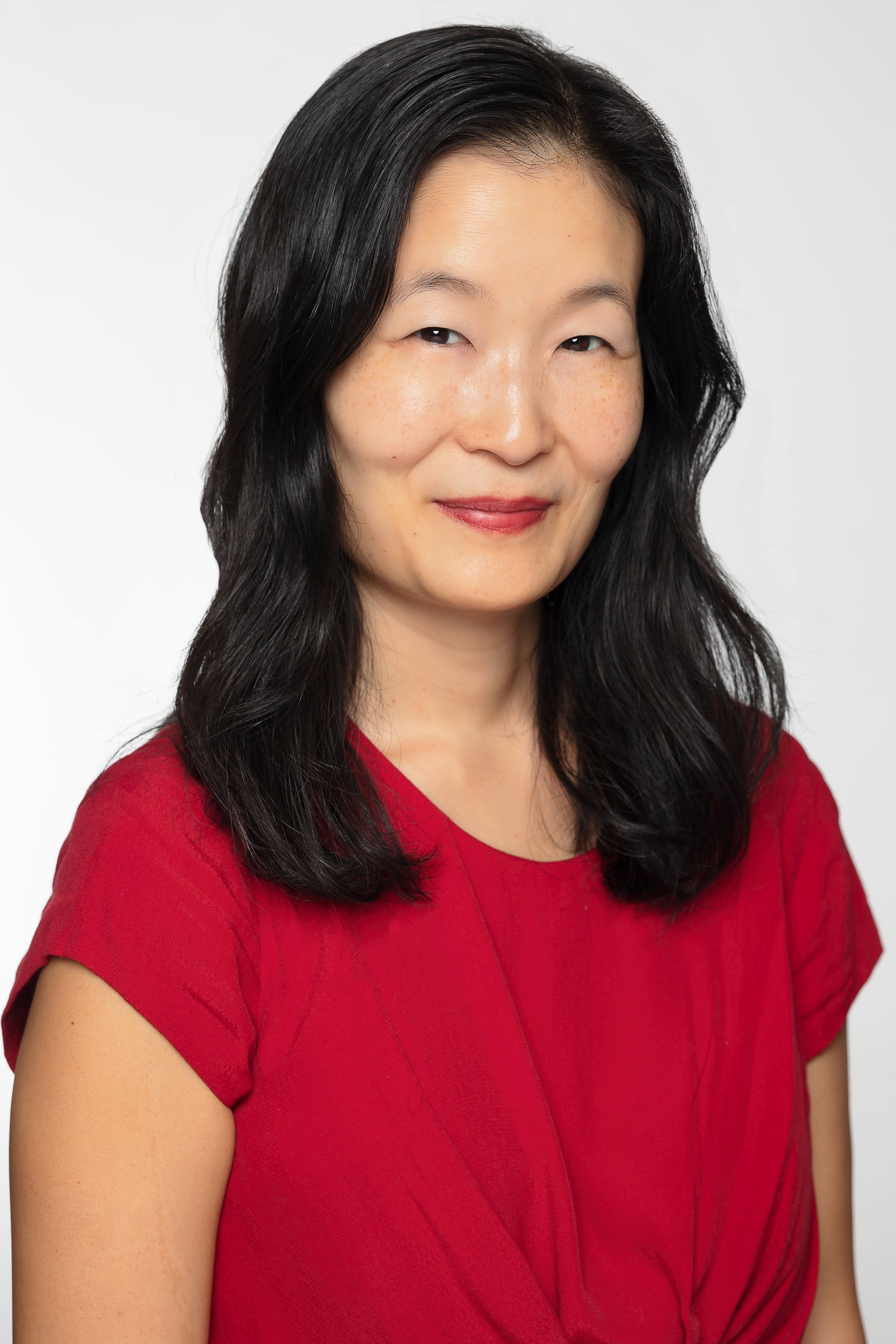
She Arrived at the Right Moment. By Design.
In 2015, when the word "blockchain" was still cause for eyerolls in most newsrooms, Laura Shin convinced Forbes to let her cover it full-time. This was not an obvious career move. It was a calculated one. And it changed the landscape of financial journalism.
Shin grew up in Ohio with the kind of household that was conspicuously short on rules. She ate what she wanted and watched television without a bedtime. That freedom, she has said, wired her for the freelance life - a decade-long stretch of covering everything from tech and finance to environment and health before the Columbia J-School sharpened the craft. She was always a writer. Crypto gave her a subject worthy of her range.
The whole point of crypto is that we want to make things differently from how they've been before.
- Laura ShinAt Forbes, she spearheaded the Fintech 50 list in 2015 and built a reputation for distilling complex on-chain mechanics into stories that non-engineers could actually follow. By 2016 she had won the Blockchain Award for Most Insightful Journalist and was already recording early episodes of a podcast called Unchained - a show that would eventually log 25 million downloads and grow into one of the most influential media properties in the crypto ecosystem.
When she left Forbes in 2018 to go fully independent with Unchained Crypto, many journalists thought she was taking a risk. The market thought differently. The model she built - founder-led, independently financed, deeply sourced - proved to be exactly what a notoriously skeptical audience was looking for: reporting without a corporate agenda and a host who read every whitepaper.
Then in 2022, she published The Cryptopians. Based on roughly 200 interviews conducted over three years with Ethereum insiders, it stands as the most authoritative account of Ethereum's founding, the DAO crisis, and the chaotic first wave of ICOs. It introduced the public to figures like Vitalik Buterin, Charles Hoskinson, and Joe Lubin - and it quietly contained something even bigger: evidence pointing to the identity of the person behind the 2016 DAO hack, a $60 million theft that had gone unsolved for six years.
That is the kind of journalism most reporters spend a career chasing once. Shin folded it into chapter notes.
Today, the Unchained podcast runs twice a week. The newsletter hits inboxes every morning. Shin speaks at the IMF, at Singularity University, at the Oslo Freedom Forum - arenas that rarely overlap, which tells you something about the breadth of her audience. She is currently focused on the frontier where crypto meets artificial intelligence, on quantum threats to blockchain infrastructure, and on the privacy battles brewing inside decentralized physical infrastructure networks.
She is not predicting. She is reporting. There is a difference, and Laura Shin is one of the few people in this space who has always known which side of that line she belongs on.