A reporter calls a neuropsychologist at 2 p.m. The question is complicated, the deadline is not. Somewhere between the doctor's precise answer and the reporter's usable quote lies a small but lucrative act of translation. KMR Communications has spent nearly three decades living in that space. Its job is to make sure the expert answers quickly, plainly and with one clear thought worth printing.
This sounds modest. It is not. Medicine rewards qualifications, caveats and vocabulary. Journalism rewards clarity, speed and a sentence that survives an editor. Beauty brands present the opposite problem: every jar arrives with a dazzling claim, yet few claims are distinctive enough to become a story. KMR takes physicians, products and practices that know what they are, then figures out why anybody outside the room should care today.
The accidental advantage of being early
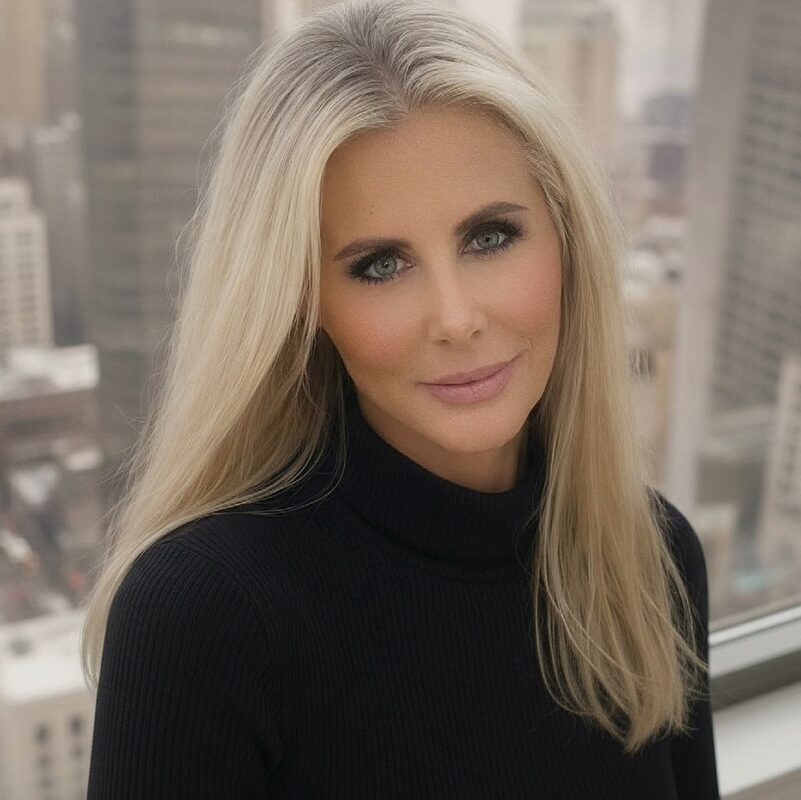
Katherine Rothman did not begin with a grand theory of specialist agencies. She began in music, found the business too much of a boys' club, and moved through entertainment PR before landing at a medical agency. At 24, she persuaded its owner to let her travel around the country prospecting for plastic surgeons, dermatologists and cosmetic dentists. She says the client list tripled within 18 months.
At 28, in 1998, she opened KMR in Manhattan. Medical PR was still an odd little corner. The internet had not yet taught every doctor to think like a publisher, and cosmetic medicine had not become an endless social feed of before-and-after pictures. Rothman added beauty, fitness and fashion soon after. By 2000, she says, KMR had 20 employees and dozens of clients around the country.
KMR's early work could be theatrical. The firm says it staged an early "Botox party" covered by CNN and helped introduce mesotherapy to American audiences. It promoted the HairMax LaserComb, an at-home hair-growth device, and represented Bosley. Rothman later appeared on CBS Sunday Morning to explain the peculiar rise of doctors on television. Long before every specialist was instructed to build a personal brand, KMR treated the practitioner as a character the public might want to hear from.
The valuable expert is not merely qualified. The valuable expert is qualified, understandable and available before the producer gives up.The KMR operating idea
What the agency actually sells
KMR calls its approach "surround sound." In practical terms, that means media strategy, story angles, press materials, product samples, content, interview coaching, influencer outreach, social support and reputation work. For doctors, the campaign often begins with an inventory of topics they can explain without wandering outside their credentials. For a beauty launch, it may begin with samples, packaging, the founder's backstory and a reason the product matters beyond its ingredients.
The result is not only an article. A dermatologist quoted in a publication can place that clipping on a website, hand it to patients, share it socially and become easier to find in search. Earned media becomes sales collateral with somebody else's logo on it. KMR's customers are buying borrowed credibility: the trust of an outlet transferred, briefly and imperfectly, to a practice or product.
The agency works with skincare and hair-care brands, fitness concepts, wellness businesses, medical devices and practitioners across dermatology, plastic surgery, dentistry, psychology, internal medicine and fertility. It lists offices in New York, Miami Beach and Beverly Hills, and describes its reach as national and international. LinkedIn places the team in the 11-to-50 employee band. The supplied company estimate puts annual revenue at $8 million, though that figure is not publicly confirmed.
A launch that arrived late
The Doux case is a useful specimen because the campaign began with a failure of timing. The natural-hair brand was entering Target in December 2017, but KMR arrived too late for magazines with six-month lead times. Target also imposed a fussy rule: its name could not lead the press materials or serve as the main hook.
So the agency changed the unit of attention. It pitched founder Maya Smith as a Black entrepreneur, curl expert and advocate for natural hair. It emphasized the line's bright, 1990s hip-hop packaging and used the speed of digital publications, bloggers and podcasts. KMR says the four-month effort produced 117 placements, including coverage in Bustle, Refinery29, Essence, Elle and trade media. The product launch became a founder story; the retail constraint became almost incidental.
The expensive little word: boutique
Boutique can be a euphemism for small. KMR turns it into operating rules. The firm says it accepts a finite roster, avoids directly competing therapists in the same market, keeps Rothman involved in accounts and sends clients a detailed report every week. Those rules make the promise tangible. The client is not paying merely for a database of email addresses; the client is paying for senior attention, category memory and visible evidence that the machinery is moving.
An industry comparison published in 2018 put KMR's typical beauty retainers at roughly $3,000 to $4,000 a month. That is a historical benchmark, not a current rate card. Testimonials also describe six-month engagements. The economics are familiar: a recurring fee buys counsel and repeated outreach, while outcomes remain probabilistic. Weekly reports are therefore more than courtesy. They are the receipt for a service whose best result may arrive unpredictably.
Where it wins
A credible expert, a market-ready product, a clear problem and a client willing to move at newsroom speed.
Where it strains
No real story, no samples, slow approvals, inflated claims or a client expecting coverage to behave like purchased advertising.
The model has been tested. In 2008, clients treated PR as discretionary and cut budgets. Rothman says KMR economized internally and pushed for better media results. Competition created another correction. The niche the agency once had largely to itself filled with boutique specialists and large firms. KMR's answer was not to become a generalist. It leaned harder into the sector knowledge, editor relationships and founder access that justified its fee.
This arrangement also asks something of the customer. A physician who takes two days to approve a quote has missed the story. A product company unwilling to send samples has deprived reviewers of the thing they review. A founder without a distinctive point of view remains a founder without a distinctive point of view, however elegant the press release. KMR itself describes its best client as one with a strong story, something that solves a problem, and a willingness to respond.
The sentence before the coverage
KMR sits between large integrated agencies and do-it-yourself outreach. A global agency can offer research, paid media, creative production and geographic scale. A founder can email a journalist for free. KMR's position is narrower: senior, specialist attention for clients that need editorial credibility and lack the time, contacts or instincts to earn it consistently.
The lesson is pleasingly unfashionable. Technology changed the outlets, shortened the lead times and made every placement shareable. It did not change the central exchange. A reporter needs a useful answer. An expert needs to be understood. The publicist makes the introduction, removes the jargon and watches the clock.
Twenty-eight years after KMR opened, that translation remains its real product. The article, the television segment and the Google result come later. First comes the sentence.