The Zamboni was not where a Zamboni is supposed to be. It was rolling down a city street, separated from its natural habitat of ice by asphalt, spectators and the peculiar logic of public relations. Fearey likes to mention this episode alongside two others: bringing cameras into operating rooms and turning Richard Sherman into a human scavenger hunt. They sound like stories told after dessert. They are also a compact explanation of the business.
A publicist can send a release. A communications agency can buy an ad. Fearey’s wager is that neither act matters much unless there is a scene people can describe afterward. The agency sells the usual inventory - media relations, crisis counsel, public affairs, social campaigns, design, paid media, training and events - but its distinctive product is choreography. It arranges people, place, timing and message until an abstract intention becomes something visible.
A surname becomes a system
Pat Fearey founded The Fearey Group in Seattle in 1981, when a press list lived on paper and a woman leading her own PR firm remained unusual enough to be part of the story. Eleven years later, she joined a group of independent agency owners in Phoenix to create what became the Public Relations Global Network. The arrangement solved a structural problem. A local firm could keep its independence and its home-market instincts, yet call on peer agencies elsewhere when a client crossed borders.
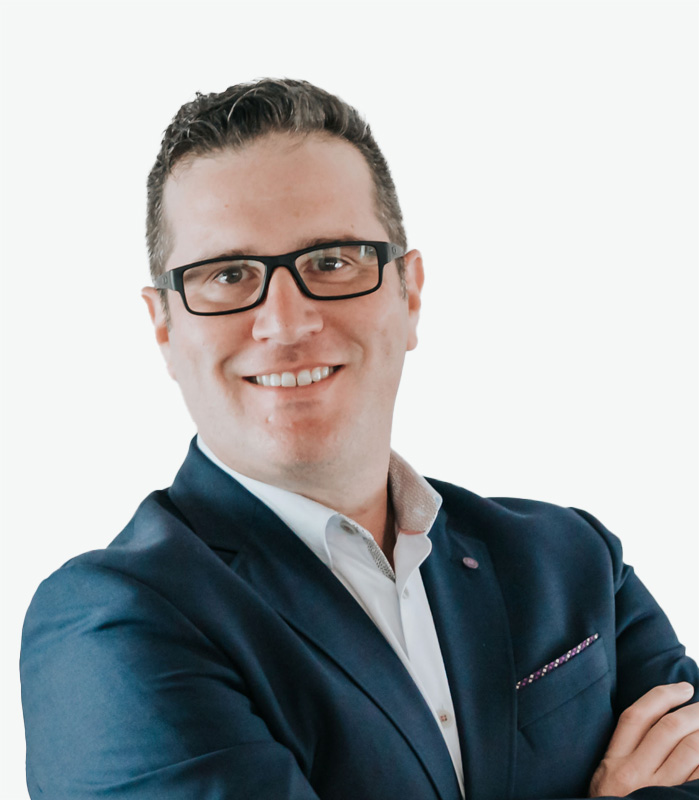
Aaron Blank arrived as a senior account executive in 2005. In 2014, he became CEO, president and owner. His promotion is a more revealing origin story than the startup mythology of a sudden idea in a garage: he learned the place from inside, then inherited both its relationships and the obligation not to cheapen them. Under Blank, the firm says it posted continuous double-digit annual growth. It also widened the toolkit. On its fortieth anniversary in 2021, “The Fearey Group” became simply “Fearey.” The name contracted as the service list expanded.
That shift tracks the industry. Earned media became harder to win just as audiences scattered across search, social feeds, newsletters, events and, lately, AI-generated answers. Fearey’s response was not to abandon public relations but to put more machinery around it. The firm added in-house creative strategy, design, paid search, paid social, video, websites and experiential work. Its newest offering audits how a brand appears in ChatGPT, Gemini, Claude, Copilot, Perplexity and Google’s AI results. The through-line is reputation; only the surfaces have multiplied.
“One story, one conversation, and one result at a time.”Fearey’s stated mission, condensed
The failure before the campaign
The revealing part of Fearey’s SignDog case is what happened before the ads. The family-run signage company faced national chains with larger budgets and broader recognition. Buying more traffic would have sent more people into a weak conversion path. Fearey began with an SEO audit, site structure, messaging, usability and redesigned landing pages. Only then did it turn on Google Search and Meta campaigns.
The reported 2025 outcome was a 5x average return on ad spend, 66 percent ROI and a sharp year-over-year increase in leads. Even Fearey’s own case page contains two different lead-growth figures - 68 percent in the narrative and 78 percent in the bullet list - so the honest takeaway is not false precision. It is sequence. Visibility failed first. The path from interest to inquiry needed repair. Paid attention came afterward.
That sequence is portable. A restaurant launch begins with a repeatable ninety-day roadmap before the influencer event. A civic campaign begins with a clear difference between ophthalmologists and optometrists before letters and interviews. A B2B automation company gets an argument its CEO can own before it gets a branded pizza box in a reporter’s hands. Fearey is often hired for amplification, but its stronger cases start by making sure there is something coherent to amplify.
Hockey as civic infrastructure
The Seattle Kraken assignment shows the firm in its natural habitat: not merely sports, and not merely press, but the junction where a new institution must become locally legible. Fearey worked on communications around early investors, city planning, the arena and the team name. Its people handled mayoral press conferences, sponsor unveilings and the NHL Board of Governors meeting in Georgia.
After the first season, the problem changed. The team expected a playoff push and wanted a more visible community presence, with season-ticket renewal in view. Fearey placed broadcasters and executives in front of chambers, clubs and civic groups. It built a Hockey Happy Hour series in local bars, complete with themes, a blues band, Valentine’s giveaways and Super Bowl squares. A sporting brand became a reason to gather on an ordinary evening.
This is where relationships stop being a slogan and become distribution. The agency knows which civic room matters, who convenes it and what kind of invitation will be accepted. A global network can extend reach. It cannot counterfeit local memory.
Impressions are not footsteps
In 2024, Fearey says it worked with nearly eighty organizations, secured more than 700 proactive stories, designed more than 500 assets, built more than fifty monthly social calendars, launched over thirty digital campaigns, advised on at least sixteen crises and activated more than 200 events. Those are agency-output numbers. The more interesting figures appear one level closer to human behavior.
For Kirkland Urban’s Winterfest, Fearey combined local media, community partners, an influencer, Meta advertising, a blog, a newsletter and organic social posts. The campaign reported two million in media reach and 200,000 social impressions. Fine. It also reported more than 5,000 visitors, parking activity 164 percent above average and foot traffic 28 percent higher than the previous year. Cars parked. Shoes crossed thresholds. Retailers got a crowd.
For Next Level Burger’s Seattle opening, the agency created a ninety-day communications roadmap and a launch plan reusable at later locations. It reported sixty media placements, forty-plus influencer-event attendees, a doubling of the social following, a 750 percent engagement increase and the chain’s highest customer volumes from opening day through four months. The enduring asset was not a single splashy post. It was a launch system.
Find what fails first: the story, the search result, the page or the invitation.
Create a specific scene that gives people something concrete to cover and share.
Track the action after attention: attendance, inquiries, renewals, traffic or sales.
What the reader can steal
Three ideas travel well. First, repair the foundation before renting attention. Second, turn the message into a scene - a watch party, a groundbreaking, an opening-day ritual - because scenes give journalists and customers handles. Third, choose a behavioral measure before the campaign begins. “Awareness” is fog; a filled parking lot is weather.
There are limits. This method needs a genuine event, decision, service or public benefit beneath the choreography. It needs a client capable of handling the demand it creates. It also depends on access and trust built before a crisis or launch, which makes it difficult to reproduce instantly in an unfamiliar market. A stunt detached from strategy becomes a strange vehicle in traffic. A vivid moment attached to a clear next action becomes a campaign.
Fearey sits between the giant network agency and the specialist boutique. It is small enough for its owner to remain a visible strategist, broad enough to combine creative, paid, earned and live work, and networked enough to follow assignments outside the Pacific Northwest. Public pricing is not posted; the business appears to mix ongoing agency-of-record relationships with defined campaigns. The alternatives are other regional independents, national agencies and the in-house team that believes it can do the work itself.
What Fearey sells, finally, is judgment about sequence. The website before the ad. The relationship before the emergency. The community before the renewal notice. And, occasionally, the Zamboni before anyone has had time to ask whether a Zamboni belongs there.