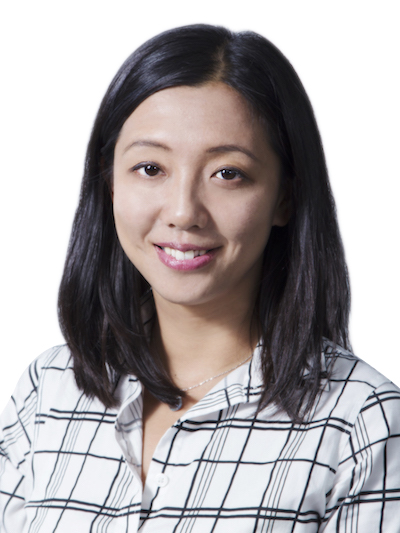
Ke Cheng went back to the research buildings she knew and knocked on doors. The offer was a free trial. Before HistoWiz had an investor announcement to circulate, it had a founder asking people to give her work a chance. There is something pleasingly direct about this scene: a scientist, a prospective customer, and a promise that would have to survive contact with Monday morning.
She had spent enough time doing repetitive laboratory work to recognize its cost. For a researcher, a delay has consequences beyond an untidy calendar. Other work waits on it. People plan around it. Eventually, a slow process acquires the authority of a natural law. Cheng decided to start a business in the space between the job everyone wanted to do and the chores required to get there.
The first customer was down the hall
In the early days, she sought customers during the day and processed their samples at night using core facility equipment. That schedule contains an entire business education. Selling brought her the work; completing it gave the customer a reason to return. A free trial may sound like a modest commercial instrument. It has the advantage of allowing the buyer to cross-examine the product.
What makes this beginning distinctive is the distance she did not need to travel. Cheng already understood the working environment. She could approach researchers with an offer shaped by the same routines they were dealing with. Familiarity gave her a starting point, although it could never do the delivery for her. The trial still needed to work.
HistoWiz’s early offer included a three-day turnaround. Speed gave a potential customer something tangible to consider. A large ambition can be difficult to evaluate over a doorway conversation. A shorter wait is easier to picture. Cheng was asking for a practical decision about a real piece of work, which is a useful way to begin a company.
Then judge the promise.
An offer of a free trial put the service itself in front of HistoWiz’s first prospective customers.
A scientist learns a different kind of experiment
Cheng brought a research career to this project. Her training took her through Pier Paolo Pandolfi’s laboratory, and she later undertook postdoctoral work with Douglas Hanahan in Switzerland. She also worked in an industry laboratory before founding HistoWiz. Those experiences placed her on several sides of the same working world: academic research, a commercial service, and an international research institution.
Building a service required another set of questions. What would people pay someone else to do? Which part of the process needed to be dependable every time? How could a useful result reach the person waiting for it? Scientific expertise gave her a detailed view of the work. A company would have to make that expertise available on someone else’s schedule.
By October 2014, she was talking to undergraduate and graduate students at Columbia University about starting HistoWiz and the challenges of entrepreneurship. This was an early return visit to the university world with a different job to explain. She could describe the transition while still being close to its beginning, before a decade of company history might make every choice look inevitable.
Give the work somewhere to go
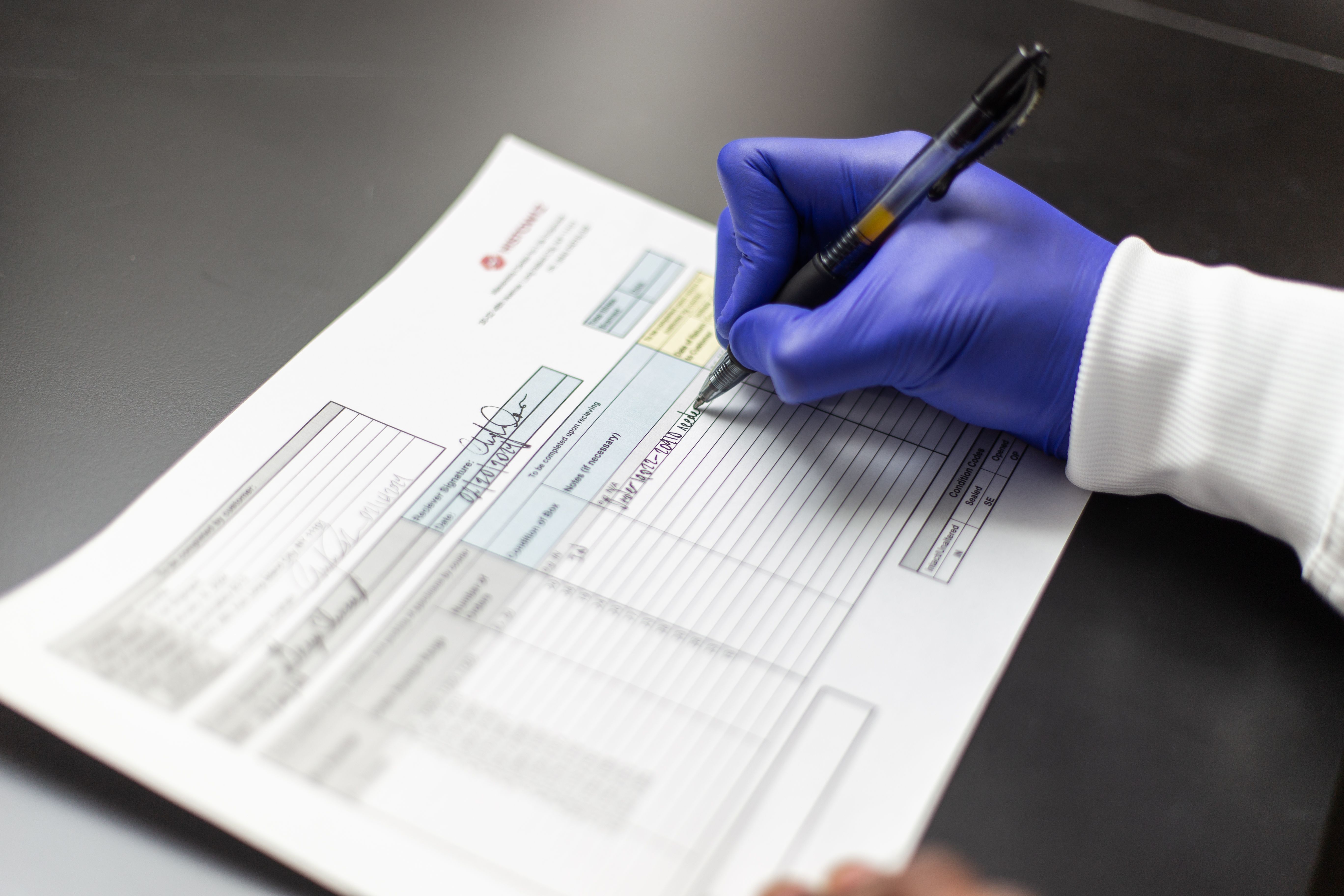
HistoWiz combined physical laboratory services with an online place to view and share the resulting images. Its cloud platform, PathologyMap, gave the business a second responsibility: making completed work accessible. A result could leave the laboratory without being confined to the original object or a single person’s computer.
For researchers, online access offered a particularly useful convenience. Researchers could use an ordinary computer or mobile device to view detailed images without downloading large files or installing special software. These are small words in a company description. Anyone who has spent an afternoon trying to open a collaborator’s attachment knows their value.
HistoWiz joined Y Combinator’s Winter 2016 batch. The pairing is interesting because the business still involved physical work. A sample could arrive by mail; an image could become available online. The service had to keep both halves moving. Better software would be useful only alongside a laboratory capable of producing the material people wanted to see.
- 01Samples
arrive - 02The lab
does the work - 03Images
go online - 04People view
and collaborate
In a 2019 podcast conversation, Cheng discussed the service, its centralized image database, and the network of specialists available to researchers. Her business had become a meeting point for different kinds of expertise. There is a recurring practical problem here: the useful person and the useful material are often in different rooms. An online service can give them somewhere to meet.
The company gets a life of its own
On October 19, 2021, HistoWiz announced a $32 million Series A led by Vivo Capital, with venBio, Asahi Kasei, and Jon Oringer participating. At the time, the company reported that it had served more than 1,000 customers. The financing plans were concrete: expand the team, add services, and build a flagship laboratory with new automation equipment.
“build a flagship lab with the latest tissue-sectioning and embedding robots”
Ke Cheng · October 2021
The robots are a useful detail. Company growth can sound abstract when described only through a financing round. Equipment, laboratory space, and people make the commitment easier to see. The money had jobs to do. The founder who once processed work at night was describing an organization that needed its own capacity.
A year later, on October 25, 2022, HistoWiz appointed Linh Hoang CEO and a director. Cheng moved into the president and board role. Hoang arrived with experience leading companies and business units, including at PerkinElmer and Thermo Fisher Scientific. The announcement described a business whose revenue had nearly doubled over the preceding year.
That transition belongs in Cheng’s story alongside the early sales visits. Founding a company and remaining its CEO forever are separate propositions. Here, the leadership changed while she continued on the board and senior team. A growing service needs responsibilities that extend beyond the person who first persuaded somebody to try it.
The offer from Miami
In March 2023, Silicon Valley Bank’s collapse brought a different kind of deadline into startup life. Cheng was based in Miami. With HistoWiz’s deposits largely safe outside the bank, she publicly offered assistance to affected local startups. The offer specified an emergency loan or advice. It was directed at founders facing an immediate problem rather than an audience looking for a general opinion.
She had a family connection to the crisis, too: her sister had money at the bank. Cheng helped her open another bank account over the weekend. It is an ordinary administrative act in an extraordinary week, and it brings the story down to a recognizable scale. Sometimes help involves a conversation about the future. Sometimes it involves getting the next form completed.
“give back to the local community and preserve innovation”
Ke Cheng · March 2023
Her concern also extended to the smaller banks that served startups and to the difficulty of finding early investment. Those are operating questions with long shadows. A company can have customers and useful work ahead of it while still needing someone to help it through the next cash problem. Cheng’s offer made her experience available to other people dealing with that uncertainty.
Leave room for the next person
There are other signs of that outward-facing professional life. In spring 2018, Cheng joined the judges for a hackNY student hackathon. Her fellow judges came from software, journalism, investing, and data science. A laboratory entrepreneur belonged in that company: students building tools could benefit from someone who understood how a technical idea met a working customer.
Away from work, Cheng had an appealing extracurricular interest: water polo. In 2018, she was fitting time for the sport around her professional life. The hobby supplies a welcome change of scenery in a career otherwise described through institutions, services, and funding rounds. It is also a team sport. The resemblance to her professional emphasis on collaboration is enjoyable, even if a swimming pool is entitled to remain a swimming pool.
In September 2023, she moderated a Nucleate Florida panel in Wynwood, Miami, bringing together people from business and university leadership. Among the participants were Phillip Frost, Steve Glover, and Norma Kenyon. The event gave students, founders, and experienced leaders a place to talk about the region’s entrepreneurial future.
By March 2025, the entrepreneurship organization ELabNYC was highlighting Cheng as the founder of both HistoWiz and Onco0. She had spent a decade leading HistoWiz before beginning her next venture. The record has another founder chapter now, while the earlier company continues with a broader team.
The connection between these episodes is practical. Cheng has worked on making expertise easier to reach: through a service, an online platform, a student event, or an offer to another founder. Her first customer visits remain a good place to understand that habit. There was work someone needed done. She knew something about doing it. She knocked.