The useful thing about having only $2,000 is that it discourages abstraction. In 1994, Katie Harvey was 24, recently out of college and living in San Antonio. She had worked around football camps for Earl Campbell, chased a job with the San Antonio Riders that did not materialize, sold athletic shoes and decided, with the alarming confidence available to people in their twenties, that she could run her own public-relations firm. “What could go wrong?” she later remembered thinking.
Plenty, obviously. But the more interesting answer is that KGBTexas, as the company was known for three decades, learned to make uncertainty its product. A client arrives with a pipeline nobody trusts, a transit plan that needs a vote, a flood-control department under scrutiny or an airline route nobody recognizes. The agency translates the institutional problem into a human one. Then it chooses the words, messengers and media that might move people from suspicion to understanding - sometimes to action.
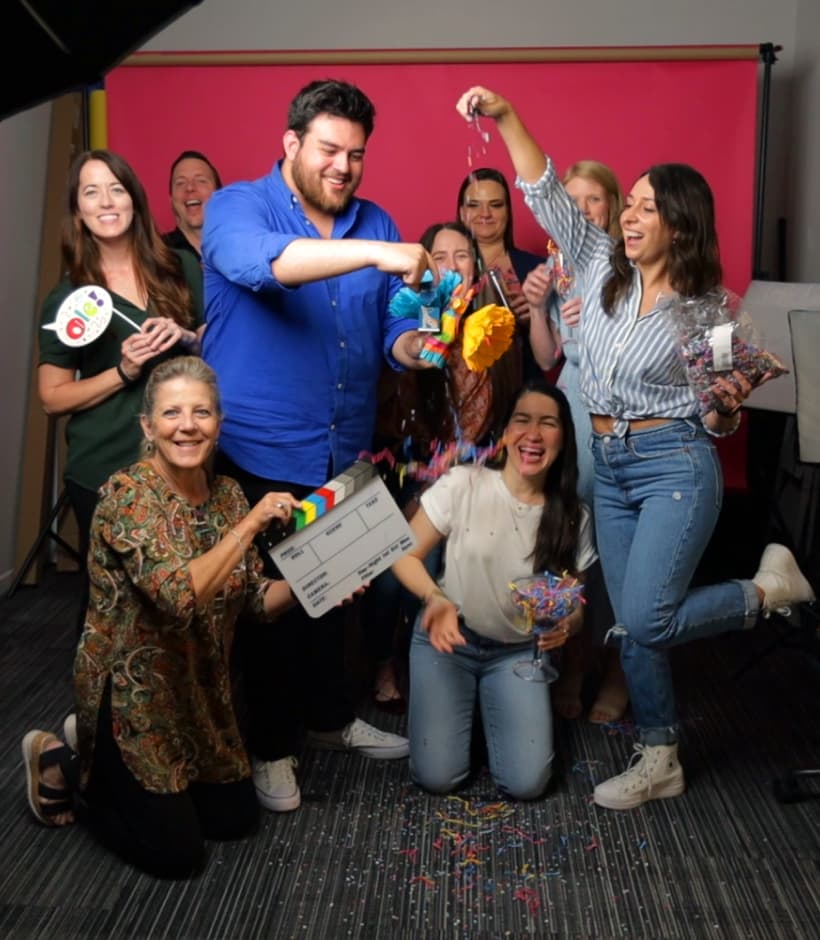
The first plan went into the bin
The cleanest example arrived in March 2020. VIA Metropolitan Transit had a plan for Advanced Rapid Transit, mobility-on-demand and other infrastructure, but it needed money. K Harvey had prepared a multimedia campaign for a November public vote. The creative was ready. The paid-media schedule was ready. Then a pandemic made a conventional transportation campaign look absurd.
The first thing to fail was not an ad. It was the premise beneath the ads: that people were thinking about the future of mobility in the same way they had a week earlier. Stay-at-home orders turned buses into lifelines for essential workers. Within 48 hours, the agency and VIA shelved the original plan and introduced Keep SA Moving, a phrase broad enough to hold both immediate service and a longer civic promise.
On November 3, 67.8 percent of San Antonio voters approved the measure. VIA projected it would add $36 million a year, in 2019 dollars, beginning in 2026 and continuing in perpetuity. One should be careful with credit: an agency does not cast votes, operate buses or invent the need. Its job is narrower and harder to see. It makes the choice legible at the moment the choice must be made.
“Failure was never really a thought for me.”Katie Harvey, on starting the firm
A values statement becomes a sorting machine
For years, K Harvey grew in the familiar agency fashion: win larger accounts, add disciplines, open another office. A 2000 San Antonio bond proposition pulled the company into public affairs. Taco Cabana proved it could beat larger firms. Houston followed in 2005. Advertising, digital, social, crisis work, grassroots outreach, government relations and brand design accumulated around the original PR practice.
Then, around 2015, leadership changed the question used to select work. The firm would focus on clients and projects capable of producing what Harvey calls “positive consequences” in the community. This can sound suspiciously like copywriting for the About page. Harvey has offered a more useful test: she says the change significantly improved both employee and client retention. A value became operational because it excluded something.
In 2022, she made another structural choice, bringing five senior leaders into the partnership: Elizabeth Marshall Black, Jonathan Gurwitz, Jessica Serna, Edith Ramirez and Ron Landreth. The move distributed ownership before the name changed. In December 2024, on its thirtieth anniversary, KGBTexas became K Harvey Brand Partners. The rebrand was not a young agency trying on adulthood. It was an adult agency finally choosing a name that described the leadership model it had built.
Research before reach
Look across the case studies and the pattern is almost comically consistent. For Endeavors, a nonprofit serving veterans and people affected by homelessness, the team first measured awareness. Television alone could not reliably reach people experiencing poverty or unstable housing, so the campaign also addressed friends, relatives and community members who could connect someone to help. Short videos ran across broadcast, print, digital and social channels. The organization reported higher applications to its new Veteran Wellness Center.
For the Harris County Flood Control District after Hurricane Harvey, one countywide message was not enough. The agency developed distinct engagement plans across 12 watersheds and more than a dozen audiences. For San Antonio International Airport’s rebrand, employees were not treated as a final email list. They joined focus groups and launch events so they could become the identity’s first advocates.
Define the behavior or decision before choosing the channel.
The person who needs a service may not be the person your media can reach.
Employees and frontline staff should understand a change before the public launch.
Separate the durable promise from creative that may become irrelevant overnight.
These moves are copyable, but not magical. They depend on access to decision-makers, time for research and enough local trust to recruit credible messengers. A distant campaign team with a generic audience model would struggle to reproduce them. So would a client that wants participation as theater after the decision has already been made.
The price of public attention
The company is private and does not publish a rate card, but government records reveal the scale of some assignments. A 2023 Bexar County gun-theft awareness campaign cost $49,500. Houston approved an $800,000 maximum for a multi-year on-call airport communications agreement in 2022. San Antonio later approved a Ready to Work marketing and outreach agreement worth up to $1.299 million over three years. In May 2026, Harris County approved an additional $2.7825 million for voter education strategy and paid media.
Contract values are not agency profit. Public agreements can include media purchases, production, subcontractors and multi-year ceilings; the figures above describe authorized scope, not K Harvey’s margin.
How to make Frankfurt feel local
In 2024, San Antonio gained its first commercial nonstop flight to Europe. Condor was a new carrier in a market where the name meant little. K Harvey helped stage an education week connecting the airline and airport with media, chambers of commerce and business leaders, including members of H-E-B’s global procurement team. Five media meetings generated five prominent stories, an estimated audience of 17 million and roughly $30,000 in editorial value.
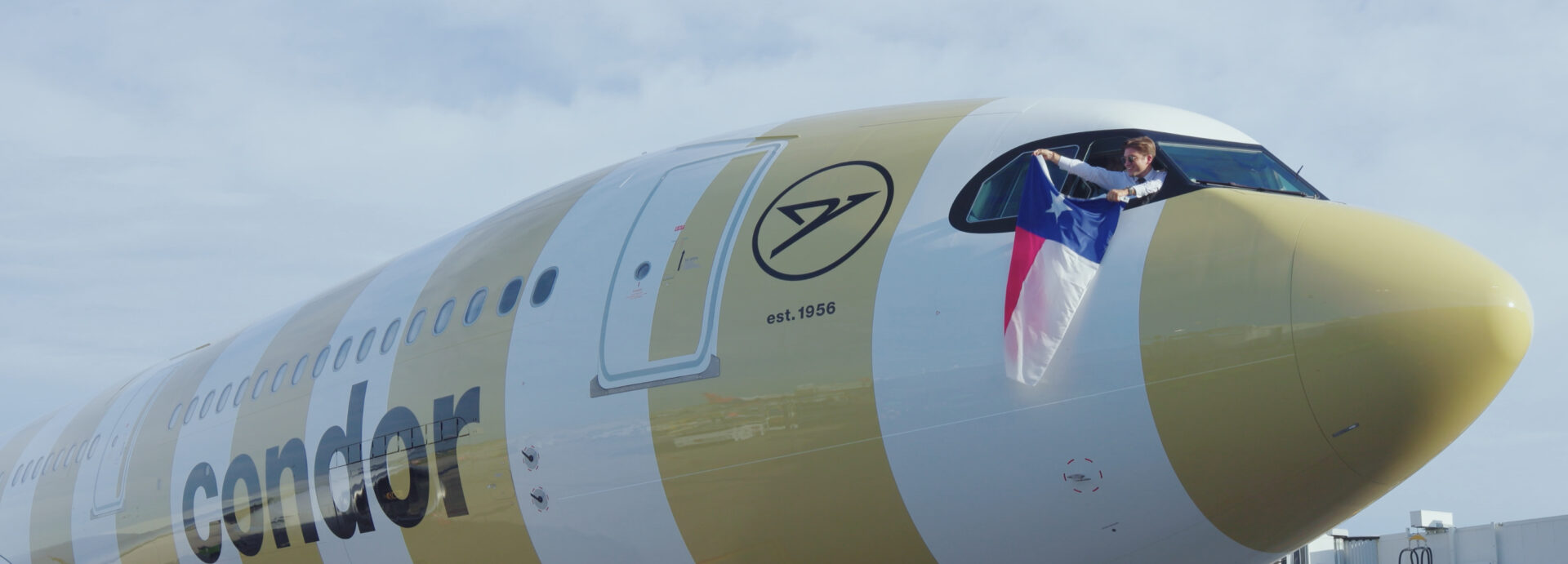
The cleverest piece came later. As Taylor Swift’s European tour fed a trend called “gig tripping,” the agency pitched a local fan traveling to the Eras Tour on Condor. The news hook made an unfamiliar airline useful immediately. That round of coverage reached an estimated 1.1 million people and carried about $10,000 in editorial value.
This is where K Harvey fits in the market. It is neither a pure creative boutique nor merely a government-relations shop. It is an integrated Texas agency for organizations whose reputations touch real places: roads, airports, hospitals, watersheds, city budgets. Its alternative might be a larger national network, a specialist lobbying firm or a collection of smaller vendors. Its edge is the ability to make the paid ad, the press pitch, the stakeholder meeting and the public promise sound as if they belong to the same thought.
The thought began with $2,000. It became larger contracts, two offices, more than 50 employees by 2022 and a partnership in the international Worldcom network. Yet the practical lesson remains modest: attention is never the actual problem. The problem is figuring out what deserves attention, from whom, and why now. Get that wrong and scale only makes the mistake louder.
Follow the work