Before John Toomey had a portfolio to consider, his parents had a pension to trust. They were union workers, covered by the retirement plans of New England Telephone and Boston Gas Company. Investment professionals dealt with the allocation decisions. His parents could get on with their lives. Years later, when Toomey talks about opening private markets to more people, he brings those pensions into the conversation.
The detail gives a familiar financial debate an unfamiliar starting point. Here is the chief executive of a Boston investment firm, discussing an industry full of funds, transactions, and carefully named vehicles, and the story begins with two working people expecting their retirement savings to be looked after. Finance acquires a rather different tone when the ultimate client is your mother or father.
Toomey became HarbourVest Partners’ sole CEO on October 1, 2024. He had first joined in 1997. Between those dates lay direct investments, secondary transactions, a public listing, investment committees, and years of shared responsibility for the firm. His career runs through the machinery that takes a saver’s patient capital and puts it to work.
The pension before the portfolio
“My parents were union workers,” he said in 2025, explaining his support for wider participation in private investments. He returned to the family example in his writing the following year. The point was practical: his parents had trusted professionals to manage their pensions for a retirement still some distance away.
That experience helps explain the standard he now argues for. When a broader population gains access to private markets, the investment discipline historically supplied by pensions and endowments should accompany it. A new doorway is useful. Someone still has to attend to what happens beyond the threshold.
This is also a commercial argument from the head of a firm that serves investors in private markets. Toomey’s position deserves to be read with that interest in view. What gives it a personal dimension is the family reference. He describes the benefits of institutional investing through people whose daily work took place elsewhere.
For a reader outside finance, that is an accessible way into the subject. The fund manager’s decisions eventually become someone else’s retirement. A quarterly report may be addressed to an institution; the consequences have a much longer mailing list.
A science graduate learns the deal
Toomey graduated from Harvard University in 1995 with a BA, cum laude, in chemistry and physics. Before HarbourVest, he worked as an analyst in Smith Barney’s Advisory Group, concentrating on mergers, acquisitions, and corporate restructurings. It was an introduction to businesses at moments when their ownership or organization was changing.
He joined HarbourVest’s direct investment team in 1997, then left for Harvard Business School. He earned his MBA in 2001 and received the Loeb Fellowship for outstanding achievement in finance. After business school, he returned to HarbourVest.
The return is a small but telling turn in the chronology. Business school can provide a convenient interval between one employer and the next. Toomey went back to the firm he already knew. The career that followed would involve changing jobs and perspectives within that institution over many years.
By 2003 he was focusing on secondary investments. His account of what appealed to him has an energy that the term “asset management” seldom conveys: “I just loved the volume, the velocity, the complexity.” Price discovery, projected cash flows, and risk were part of the attraction he described.
There is an amusing mismatch between the science degree and the language of the deal. Chemistry and physics belong to the same résumé as bargaining over investment interests. The record establishes the sequence; Toomey’s enthusiasm supplies the sound. He speaks about financial complexity as something that drew him in.
- 1997Joins the direct team
- 2003Focuses on secondaries
- 2012Executive committee
- 2024Sole chief executive
An exit becomes an entrance
A secondary transaction begins with an investment that already exists. One investor wants to transfer an interest; another is prepared to acquire it. The buyer is examining a position with a history, while the seller is making a decision about its own needs. Their calendars need not agree.
That meeting of different timetables gives secondaries a particular place in Toomey’s story. He spent ten years as one of the leaders of HarbourVest’s secondary business. It was work concerned with the interests already held, the underlying investments, and the terms on which ownership could change.
In a 2024 discussion, he also pointed to the incentives of the people managing older funds. The individuals running a firm years after a fund was formed may have a different economic stake from those who launched it. Reworking a transaction can involve that human arrangement as well as the assets.
His career also crossed the boundary between private investments and public ownership. Toomey was involved in the 2007 initial public offering of HarbourVest Global Private Equity on Euronext Amsterdam. He served as its original chief financial officer through September 2008. A publicly listed vehicle brought another set of responsibilities to an investor whose earlier work had been inside private markets.
A secondary transaction, simplified. Ownership changes; the investment has already begun.
The apprenticeship gets a bigger desk
Toomey joined HarbourVest’s Executive Management Committee in 2012. The committee collectively led the firm. For more than a decade, he and Peter Wilson were part of that leadership arrangement, having earlier worked together in the secondary team. The relationship extended from investments to the organization responsible for making them.
At the announcement of his CEO appointment in May 2024, Toomey described their period of leadership through two measures: assets under management had risen from $36 billion to $125 billion, while the employee count had grown from nearly 200 to more than 1,200. Those were figures about the firm they helped lead, rather than a personal investment scorecard.
Growth of that kind changes the everyday problem. An investor can inspect a transaction. A chief executive must also consider whether colleagues across a much larger business have the information, relationships, and organization to do their work. The apprenticeship has acquired a larger desk, and a rather longer list of people depending on it.
HarbourVest assets under management, as described in the May 2024 leadership announcement. These two figures mark growth during shared leadership, not investment returns.
Toomey expressed gratitude for Wilson’s knowledge and friendship when the transition was announced. Wilson, in turn, emphasized the trust they had built with clients, investment partners, employees, and communities. The public exchange put their partnership alongside the growth figures.
On October 1, Toomey became the firm’s first sole CEO. His ongoing responsibilities include membership of the Conflicts Committee, Sustainable Investing Council, and DEI Council. Those roles place him in discussions about the firm’s conduct and culture as well as its investment activity.
People who “run towards fires”.
John Toomey’s description of colleagues who help clients and one another, 2024
His account of colleagues moving quickly to help offers a more vivid picture of the culture he values than a list of corporate adjectives. In the context he gave, it meant moving to help when a client or colleague needed assistance. The phrase turns an abstract partnership principle into an action.
The portfolio beneath the label
In April 2026, Toomey joined Michael Sidgmore on Alt Goes Mainstream to discuss the industry’s evolution over his career. The conversation ranged across manager selection, secondaries, evergreen vehicles, and the ways institutional experience could apply to private wealth. These subjects concern how investments fit together, as much as how an investor first obtains access.
The word “evergreen” lends finance a pleasant air of gardening. It says little by itself about the work required underneath. Toomey’s discussions emphasize the continuing demands of managing a portfolio as capital comes in and investors seek money out. The name of a structure does not remove those demands.
His May 2026 essay made a related argument: adding products can leave investors with overlapping exposures. Diversification needs deliberate construction across the assets and managers involved. He supported broader participation while asking that fiduciary standards expand with it. This is a claim about responsibility at the portfolio level.
The business continued to grow. On July 10, 2026, HarbourVest announced approximately $4.75 billion in commitments to its seventh direct co-investment program, above its $4 billion target. Toomey connected that announcement with access to small- and mid-market opportunities, diversification, and investment capabilities. A fundraising total described the money committed; the next task was putting the program to work.
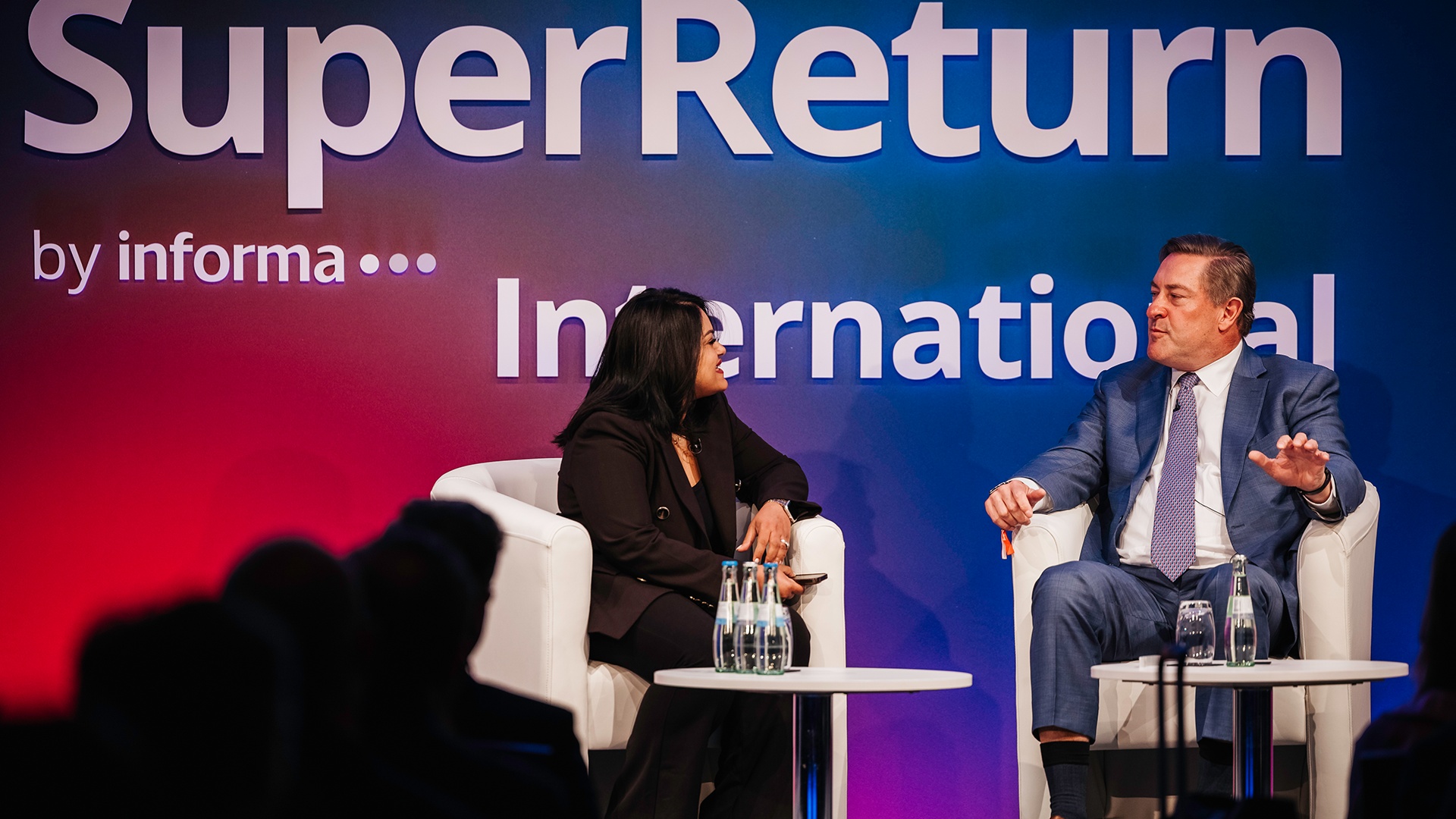
He was also discussing technology and portfolio construction at SuperReturn in Berlin that June, including an appearance on CNBC. A July interview with ausbiz addressed private equity and secondaries. His public itinerary followed the same set of questions across different rooms and audiences.
What stays human
For someone whose work involves extensive analysis, Toomey’s comments about artificial intelligence keep people in the picture. In 2025, he described AI as supporting human judgment and said he did not expect it to reduce the number of analysts or associates at the firm. He anticipated greater value being placed on softer skills.
Asked what might catch his eye in a candidate, he pointed to starting a business, showing leadership, and achieving results through others. That answer sits naturally beside his own move from individual investment work into firm leadership. It makes room on the résumé for evidence that someone can bring other people along.
The career has now lasted nearly three decades at HarbourVest, with an interruption for business school and many changes of responsibility. The institution has grown; the market has acquired more structures and more participants. Toomey’s public argument returns to the quality of the portfolio and the care with which it is managed.
There is a useful way to read that long progression. Start with the analyst studying a deal, widen the view to the colleagues running a business, and then carry it out to the person whose savings are invested. At the far end of the chain are people with ordinary plans for their future. Toomey’s parents trusted their pensions to look after those plans. His current case for wider access asks the industry to take that expectation seriously.
Continue the conversation
- PROFILEJohn Toomey at HarbourVest ↗
- SOCIALJohn Toomey on LinkedIn ↗
- WATCHSuperReturn: the evolving private markets landscape ↗
- LISTENAlt Goes Mainstream with Michael Sidgmore · April 2026 ↗
- INTERVIEWThe changing shape of private equity · August 2025 ↗
- ESSAYRaising standards in the new private markets · May 2026 ↗
- ARCHIVECapital Allocators with Ted Seides · June 2021 ↗
- NEWSThe seventh co-investment program · July 2026 ↗
- WEBSITEHarbourVest Partners ↗