James Manley’s son had a reasonable objection to his father’s search for a ranch. At the rate things were going, he joked, his father would be too old to ride by the time he bought one. The search had become a family institution. There were mountains to consider, rivers to inspect, views to approve. Somewhere in the American West, Manley believed, was a property that would satisfy a list other people found rather optimistic.
He had spent roughly twenty years looking. In 2007, he finally bought the place near Philipsburg, Montana, that became The Ranch at Rock Creek. For someone whose professional life involved raising capital, this was a purchase with an unusually personal prospectus. The ambition had begun in childhood. The adult had acquired the means to act on it without acquiring much interest in watering it down.
Manley’s two enterprises make an intriguing pair. Atlantic-Pacific Capital, which he founded in January 1995, works in private markets. The ranch offers horses, fishing, cabins, and room to wander. One involves helping other people finance their plans. The other grew out of a plan he had been carrying around since he was a boy.
A New Jersey childhood, with Montana on television
Raised in Fair Haven, New Jersey, Manley was one of nine children. His childhood viewing included Bonanza, The Life and Legend of Wyatt Earp, and The Big Valley. Westerns offered a generous supply of horses and open country to a boy living among suburban houses. By ten, he had told his father that he intended to own a ranch.
There was countryside closer to home, too. He remembered the farmstand at Delicious Orchards and trips to Cedar Hill for milk and fruit. Those memories give his western ambition a more particular texture. He liked landscapes with space in them. A small yard in coastal New Jersey had its attractions, but it was unlikely to accommodate the full programme.
His eventual move into finance did not follow a childhood business plan. After earning a Bachelor of Science at Arizona State University, he painted houses for five months. An acquaintance thought he might be good at sales and suggested an interview at Dun & Bradstreet. He got the job. There is something pleasingly ordinary about this beginning: a suggestion, an interview, a chance to discover an aptitude.
The business he built while he kept looking
Manley’s financial career included the high-yield bond department at Merrill Lynch and a vice presidency at Prudential Securities Capital Markets. He then co-founded Everest Capital Limited, serving as managing director. Atlantic-Pacific Capital followed in 1995. Those roles put him on several sides of the business of finding money and directing it toward investment opportunities.
Today he is Atlantic-Pacific’s chairman; Raed J. Elkhatib is president and CEO. The distinction matters in a career this long. A founder’s story continues as colleagues assume different responsibilities. The firm’s current work spans fund placements in private equity, private credit, real estate, and real assets, alongside secondary advisory and direct private placements.
Firm-wide cumulative figures reported by Atlantic-Pacific Capital, checked October 2026.
The figures describe the firm’s work for clients. They are useful as a measure of the organisation Manley helped establish, rather than as a statement about his personal fortune. They also make the small beginnings harder to overlook. A career that started with a sales interview eventually produced a company operating across international private markets.
When asked about the firm’s culture, Manley described shared profits and the absence of individual commissions. His explanation put cooperation at the centre of the arrangement. The practical idea was that people should have a reason to work together. It is an unglamorous subject for a founder interview, which makes it a revealing one: how colleagues are paid can shape what happens between them.
“I would say that cooperation is the team culture.”James Manley, on Atlantic-Pacific Capital
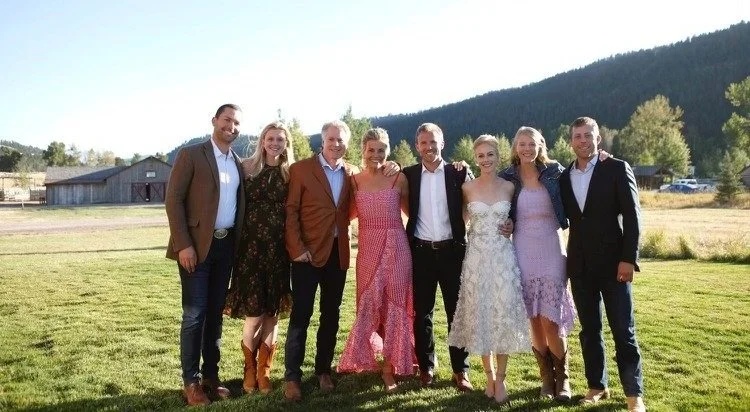
Elkhatib later described Manley’s characteristic “polite persistence.” It is a compact phrase with room for both manners and stubbornness. Colleagues celebrated Atlantic-Pacific’s thirtieth anniversary at the ranch, bringing the financial enterprise to the place created by its founder’s other ambition. For once, the relationship between the two could be experienced outdoors.
The search had specifications
The ranch was never going to be merely a large parcel with a handsome entrance. Manley wanted mountain scenery at relatively low elevation, a river, seclusion, and a ski area within reach. In his own account, brokers doubted that all his requirements could coexist. A wish list can sound extravagant until you remember that its author is the person who will have to live with the compromises.
Realtor Bill McDavid eventually called with the property that changed the search. Manley flew in, toured the land on horseback, and bought it that day. Years of deliberation were followed by a quick decision. The contrast is part of the anecdote’s appeal. Looking for a long time had given him a clear idea of what he was looking at.
The property covered 6,600 acres. It came with a history older than its new owner’s dream: mining, homesteading, and cattle ranching. A nineteenth-century barn survives among its buildings. That history gave the project something an invented western set would have struggled to provide. The surroundings had already had a working life.
Initially, Manley bought the ranch for family and friends. Hospitality emerged from using it. Visitors liked the place, and keeping a private ranch running required staff and continuing expenditure. Opening it to paying guests offered a way to support the property over time. The family retreat acquired a business problem, and then a business model.
The details between a dream and a room key
The ranch opened to guests in 2010. Preparing it required new accommodation, expanded infrastructure, and work on the lodge. The canvas cabins involved their own experiments. Some of the first tents were taken down and moved when their placement did not meet expectations. A view on a plan and a view from a bed are two separate design appointments.
Interior designer Jet Zarkadas drew on the region’s ranching, mining, logging, and railroad history. Canvas came from a Montana supplier, and lumber was sourced within the state. The rooms needed to be comfortable, but they also needed to belong to the landscape. Even the screens mattered: brass screens on porches offered ventilation while resisting rust.
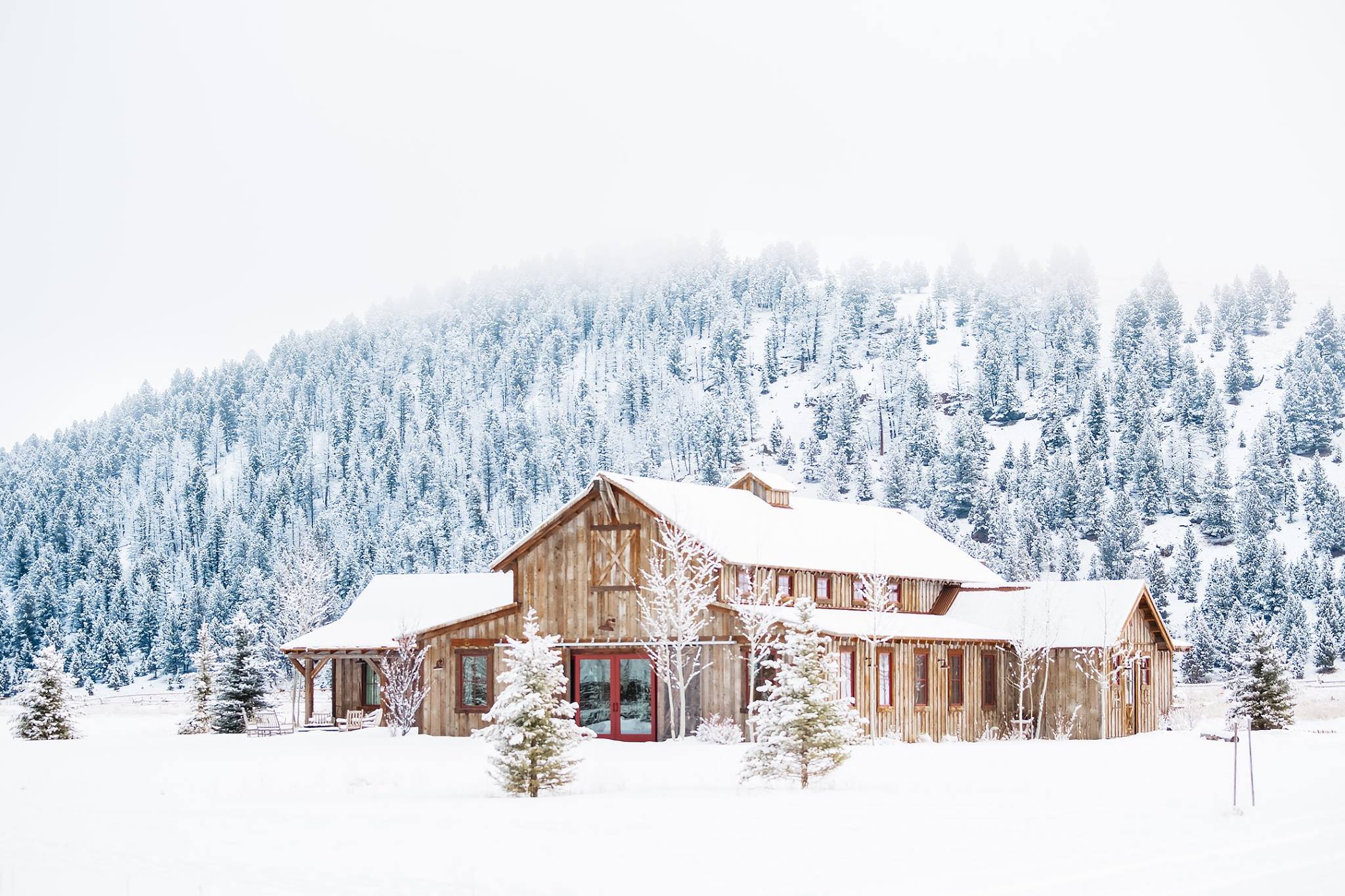
The property’s service earned Forbes Travel Guide Five-Star recognition. In January 2014, the guide described it as Montana’s first property to receive that distinction. Its current listing still carries five stars. The rating provides a concrete measure of the hospitality operation that developed around Manley’s private idea.
He also made a choice about how guests would pay. The ranch’s inclusive model covers dining, activities, and airport transfers within the stay. His experience as a traveler had made him dislike the succession of extra charges that can turn a holiday into an exercise in signing receipts. The proposal was to let guests spend less of their attention on those transactions.
That approach required patience of a different sort from the property search. Manley has said the ranch endured five years of losses before turning cash-flow positive in January 2015. The opening day therefore makes a poor finish line for this story. Finding the landscape took years; making the guest business work took more.
A serious investment in being less serious
At Rock Creek, activity is central to the experience. Horseback riding and fly fishing sit alongside archery, cycling, and winter pursuits. The saloon adds bowling and other indoor diversions. The ranch’s own history describes more than forty activities across the year. Guests can be busy without organising their days around the routines they brought from home.
Manley’s explanation is disarmingly direct. He wanted adults to recover something of the pleasure of playing as children. It is an idea that helps explain the variety. A horse, a fishing rod, or a bowling ball gives a visitor an immediate task. Conversation can follow the day’s attempts rather than another recital of professional credentials.
“I wanted to bring out the child in an adult.”James Manley
Delivering that freedom takes staff. The ranch’s accounts of its development credit the people who built its dining and activities programmes, including chef Josh Drage and activities director Patrick Little in its early years. Manley supplied an ambition and the property; the guest experience required colleagues who could turn both into a day that worked.
The land needs continuing work as well. Forest management, waterway cleanups, fish screens, and creekside planting feature in the ranch’s conservation efforts. These are practical obligations for a business selling access to a landscape. Guests arrive for the setting, and future visits depend on what is done to preserve it between arrivals.
One place, kept for the next generation
In a hospitality interview published in March 2026, Manley said he had resisted suggestions to expand the brand. He described plans for the ranch to remain in the family for generations. It is a striking preference from someone with a long career around capital: this particular ambition has a geographic boundary.
The boy in New Jersey wanted a ranch. The adult spent years deciding which ranch, then more years making it workable as a place for other people. The result has horses and mountain views, but it also has staff, maintenance, pricing decisions, and a calendar of returning guests. Keeping the promise turned out to require rather more than buying the land.
His son’s joke survives because it identifies the danger of an endlessly postponed ambition. Manley eventually got to ride. Then he opened the gates, and gave other people somewhere to play.