A water sensor is a wonderfully modest invention. It sits near a pipe, waits for something to go wrong and raises the alarm. Catch the leak early enough and a homeowner might avoid a ruined floor. For an insurance company, that little warning suggests something bigger: perhaps the cheapest claim is the one that never happens.
- Hippo paired online home insurance with a prevention pitch.
- Heavy weather losses forced tougher pricing and risk selection.
- Its next chapter includes a broader carrier business behind the consumer brand.
This was the appealing logic behind Hippo. Founded in 2015 by Assaf Wand and Eyal Navon, the company brought a technology founder’s impatience to home insurance. Buying a policy should be quicker. Coverage should reflect a modern household. The relationship should include help before something breaks. A sensor beside the washing machine made the argument tangible.
A minute to buy. Years to understand.
Hippo’s early proposition combined fast online quotes, a simpler buying process and connected-home devices. Its documented Smart Home program offered eligible customers kits intended to help detect water, fire and theft risks. Insurance could become something you interacted with between renewals, rather than a document you hunted for after a disaster.
The distinction mattered because buying insurance and using it are separated by an awkward stretch of time. A pleasant purchase tells you little about the eventual cost of the promise. You can improve the form this afternoon. Discovering whether a roof was insured at the right price requires waiting for the weather.
The idea attracted substantial backing. Hippo announced a $350 million investment from Mitsui Sumitomo in November 2020. When it completed its public-market merger in August 2021, it expected more than $550 million in cash proceeds after fees and expenses. Those are separate financing events, and neither number measures what it cost to make an individual home safer.
Then the roofs sent the bill
The pressure became unmistakable in 2023. Hippo’s annual filing connected elevated homeowners losses to five major wind and hail events in Colorado and Texas during the second quarter. For the full year, the Hippo Home Insurance Program’s gross loss ratio reached 101%. Claims and claims-handling costs exceeded the associated premium before operating expenses entered the picture.
Here was the uncomfortable boundary of the sensor idea. A warning under one sink can help with a local accident. A storm can damage many insured homes together. The first problem rewards prevention; the second demands careful choices about geography, prices and how much risk to transfer elsewhere.
Hippo responded with higher rates on some renewals, larger wind and hail deductibles, selective nonrenewals and a nationwide pause on new HO3 homeowners underwriting. The pause began in the third quarter of 2023. The company reported a $273.1 million net loss attributable to Hippo for that year. The economics of carrying the risk had become the urgent problem.
The company behind the quote
To understand the response, you have to look past the Hippo name on the screen. The group includes an insurance agency, insurance carriers and programs run with other insurance businesses. An agency can earn a commission for placing a policy. A carrier takes contractual responsibility for insured losses. These jobs connect, but their risks differ.
Spinnaker, acquired by Hippo in 2020 after an earlier partnership, supplies carrier capacity for managing general agents. These specialists develop and manage insurance programs. Hippo’s carrier platform gives partners access to insurance licenses and capacity, with reinsurance helping distribute the exposure. The parent’s business now reaches beyond homeowners into other personal and commercial lines.
Distribution changed, too. In July 2025, Hippo sold its homebuilder distribution network to Westwood for $100 million, while entering agreements to keep distributing its homeowners product through Westwood’s builder network. Selling the route’s ownership while preserving access to customers is a more interesting maneuver than simply chasing another sales channel.
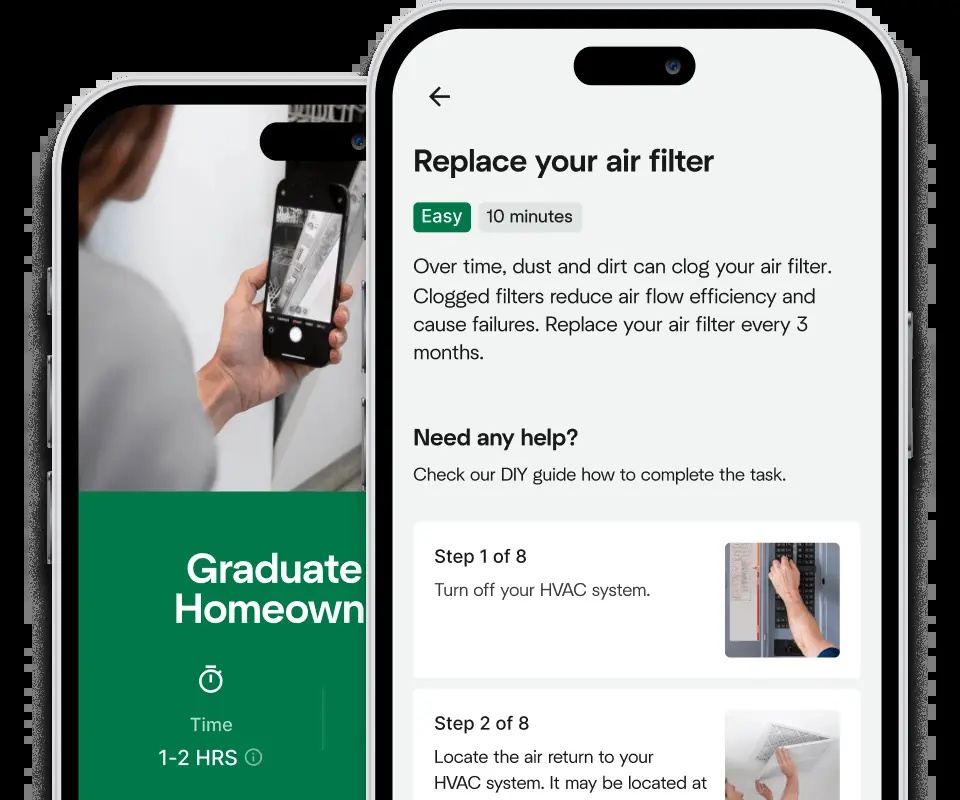
On the consumer side, today’s offer includes comparing coverage with an agent and getting maintenance guidance through the Hippo Home app. In September 2026, Hippo said its Clara AI claims agent completed 81% of attempted first-notice-of-loss calls without human intervention in August. This is the company’s own measure of intake automation, not a claim-approval rate. Hippo competes with established insurers and independent agencies, as well as digital insurance brands such as Lemonade. The carrier named on the policy matters more than the brand on the quote page.

The number worth slowing down for
In the second quarter of 2026, Hippo reported a combined ratio of 95.8%, compared with 100.1% a year earlier. The ratio adds losses and expenses relative to earned premium. Below 100% generally means an underwriting profit. It is a useful antidote to the temptation to judge an insurer by how much insurance it sells.
Lower generally means better economics.
The quarter also produced $10.1 million in net income attributable to Hippo. Still, one quarter cannot establish how a portfolio behaves across years of storms. Results reflect pricing, claims experience, expenses and reinsurance. They do not isolate the contribution of smart-home devices.
Hippo is adding protection behind the scenes. In May 2026, Spinnaker sponsored a $100 million catastrophe bond covering several perils, including fire. In June, Hippo announced an expanded Accelerant partnership targeting more than $500 million in annual U.S. gross written premium in 2027. That premium is a target, not revenue already earned.
Keep the useful part. Change the machinery.
The transferable lesson is to measure what happens after the sale. Hippo’s history suggests that improving the purchase experience must travel with pricing and exposure controls. Its careers page puts the aspiration neatly: “We listen first, think long term.” The filings provide the harder test.
“We listen first, think long term”
Hippo’s stated innovation value
For homeowners, the useful combination remains coverage and practical care. Its limits are concrete: maintenance cannot stop every catastrophe, and an app cannot change a policy’s exclusions or deductibles. Hippo began with the question of how to make insurance easier to buy. Its more consequential question became how to keep the promise affordable to carry.