Hannah Kratz’s first client itinerary was for a couple going to Washington, D.C. They had traveled little. She arranged museums, monuments and places to eat, with the aim of helping them arrive prepared. It was a fitting beginning for someone whose own travels had become a form of education. The job was to make an unfamiliar place feel manageable enough to explore.
By then, Kratz had spent years thinking about what a journey could teach. She had planned trips for her family, bringing places into the subjects her children were studying. She had also discovered the usefulness of another person handling the awkward pieces. A travel business grew from those two experiences: knowing what she wanted a trip to accomplish, and learning how much work it took to get there.
The classroom leaves home
Her interest began at 15, on her first international trip, to India. The Taj Mahal was part of that early encounter with the world beyond home. Later, during a study-abroad period in Oxford, she spent weekends exploring European cities. Different streets, buildings and customs gave her reasons to keep going. Travel offered a way to meet history in person.
In 2015, she left corporate work to homeschool her three children. Family journeys became part of their learning: Roman roads in Italy, art museums in Paris, Icelandic landscapes connected with Norse stories. A subject could have a setting. A story could be discussed somewhere other than the kitchen table. The family could follow its curiosity beyond the next chapter.
That approach makes the name of her business, At Home in This World, feel unusually literal. Home is a place to begin; the rest of the world is somewhere the family can learn to move through. There is warmth in the idea, but also effort. Someone has to choose the destinations, arrange the days and make the ambitions fit the available time.
The first client, and the value of a second pair of eyes
While organizing her own family’s trips, Kratz worked with a luxury travel advisor. The relationship helped with logistics and introduced her to hotel benefits and industry connections. It also showed her what professional planning could add to an itinerary she already cared about. The experience became a reason to consider doing that work herself.
Her Washington, D.C. clients supplied the first opportunity. For people unused to traveling, museums and monuments are only part of the assignment. There is also the confidence required to leave home, navigate a new city and enjoy what has been arranged. Kratz describes that first itinerary as the point at which she became hooked on client work.
The business gives her earlier corporate experience a new use. She describes bringing structure and problem-solving to travel planning, treating each journey as a puzzle. That is a persuasive image because the pieces affect one another. A hotel changes the morning’s route. A transfer changes the evening’s options. A crowded day can make a wonderful reservation feel like another obligation.
A planner has to see those relationships before a traveler encounters them. The pleasure of an itinerary is visible; much of the work sits between the appointments. When it succeeds, the client can spend less time deciding what happens next.
The backpacker checks in
“Former budget backpacker. Current luxury hotel junkie. I still love a great deal.”
Hannah Kratz
Kratz’s account of her travel preferences contains a useful continuity. She enjoys hiking, exploring and eating her way through a city. She also wants a comfortable hotel at the end of the day. The destination still gets her attention; the bed has acquired a larger role.
Her spring-break visit to The Seabird in Oceanside in 2024 puts that combination to work. She traveled with 15 family members, a party large enough to test whether a property can accommodate several versions of a good holiday. Her report notices the design, the room upgrades and the sunset, then gets down to the business of what everyone could actually do.
She describes games in a converted event space, places for adults to sit together, and beach equipment available to guests. Her son spent the day using a loaned surfboard. Meals often took the family beyond the hotel to casual neighborhood restaurants. The review includes a $30 Old Fashioned that made her pause. Apparently an ocean view does not entirely silence arithmetic.
The details give her writing its character. Luxury can include the handsome lobby and the drink at sunset. A family trip also has pizza, borrowed equipment and people with different ideas about dinner. An advisor who notices all of it has more to say than a list of amenities.
The itinerary has a rhythm
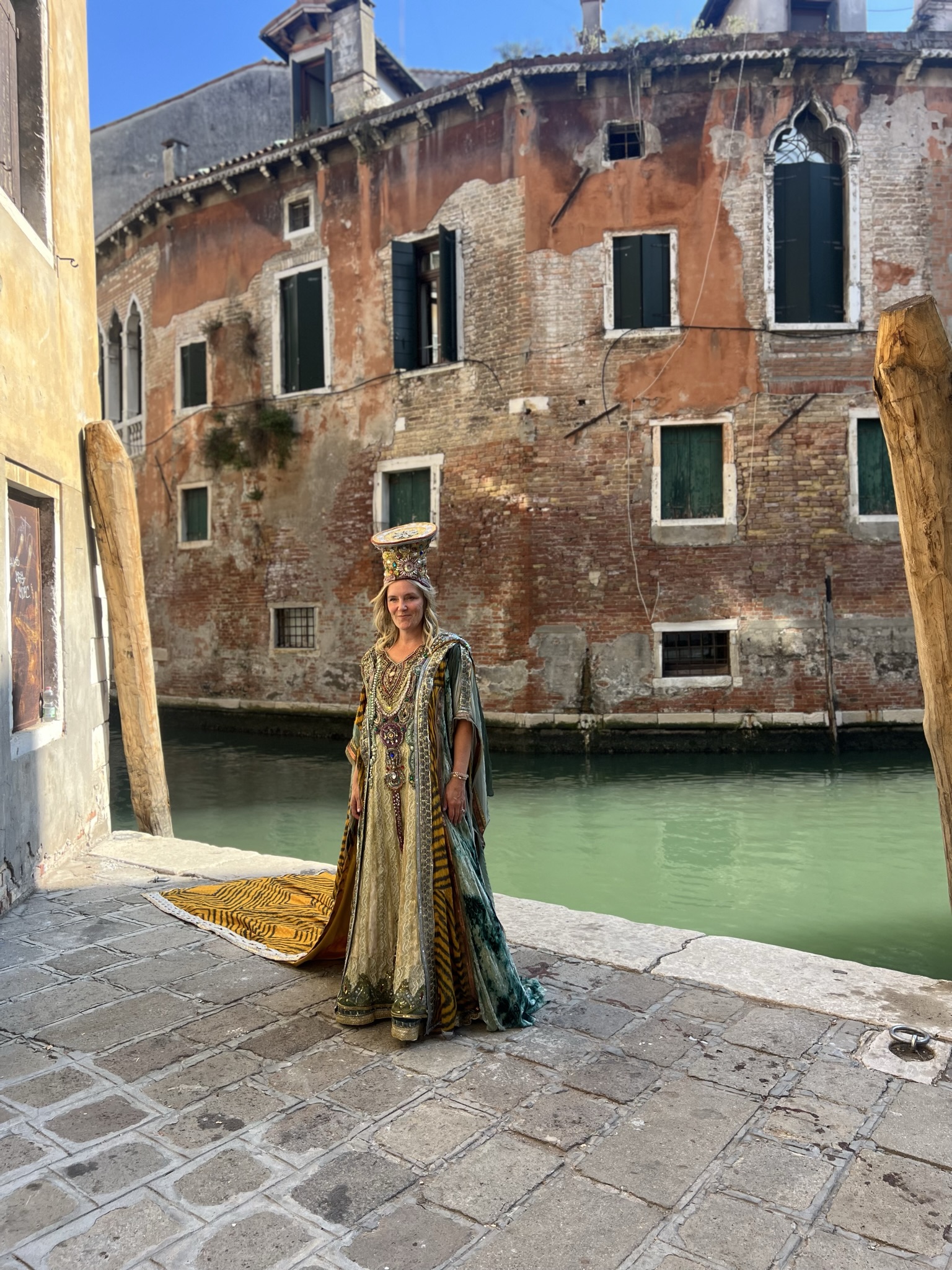
Her Northern Italy route moves between Milan, Lake Como, the Dolomites, countryside stops and Venice. It pairs city culture with time outdoors and mixes trains, transfers, driving and boats. The appeal is in the changing pace: a trip can have several kinds of day without requiring travelers to choose a single identity for the whole holiday.
The route also reveals her interest in a comfortable return from an active day. A lake hotel and an alpine walk can belong to the same journey. So can a museum and a leisurely meal. The itinerary’s work is to connect those pleasures without spending the holiday endlessly packing, arriving and starting over.
- MilanCity & culture
- Lake ComoA slower shore
- DolomitesTime outdoors
- VeniceLife on the water
Selected stops, in order. A schematic, not a map.
Mexico brings a different kind of familiarity. A best friend lives in the Riviera Maya, giving Kratz reasons to spend time there. Her hotel guide considers smaller properties alongside the region’s larger resorts, including Jashita, Hotel Esencia, La Casa de la Playa and Etéreo. The question is which setting suits the particular trip.
That guide reaches beyond the room to cenotes, food and excursions. A place to stay becomes a base from which to experience the region. It is a useful habit for any traveler: before choosing a hotel, imagine the day that begins outside its doors. The photograph of the pool cannot answer every question.
Knowing the neighborhood
Northern California gives Kratz a closer field of experience. Her Tahoe advice includes a family calculation: living within roughly an hour and a half of the Tahoe resorts makes a regional ski pass useful for them. The recommendation begins with geography and frequency. Where you live changes what is worth buying.
Her North Lake Tahoe guide considers ski schools, village activities, food stops and alternatives for people who would rather skip the slopes. Snowshoeing, sledding and skating have a place alongside skiing. That matters in a family group, where enthusiasm rarely arrives in identical quantities. A holiday works better when everyone has something to anticipate.
Her Napa writing applies the same attention to variety. There are wineries and restaurants, but also cycling, hiking, olive oil tasting and cooking classes. The valley can support a trip organized around food, landscape or learning as well as wine. Her recommendations leave room for more than one kind of interest at the table.
In a May 2026 guide, she returns to the region in greater detail, distinguishing larger resorts from smaller properties and considering how travelers will move between stops. Hotel location, restaurant reservations and transport belong in the same discussion. The regional advice feels most useful where it helps someone picture the practical shape of a visit.
Room for everyone
A November 2025 roundup of hotel residences extends that thinking into accommodation. Kratz collects options with more space for families and groups, including Edgewood at Tahoe, Rocco Forte House in Rome and residences at Nobu in Los Cabos. The interest is easy to understand. Traveling together does not mean wanting to spend every waking minute in the same room.
A kitchen, a separate bedroom or somewhere to sit after the children have gone to bed can change how a stay works. Hotel services can coexist with that extra space. Her roundup treats the arrangement as a planning choice with consequences for the whole group, rather than simply a larger version of an ordinary booking.
Her own services begin with a conversation about preferences, budget and goals. An itinerary follows, then revisions and reservations. She offers full travel design as well as hotel bookings, cruise arrangements and group planning. The range allows different amounts of help for different trips. A weekend hotel stay and a multi-stop family journey create different assignments.
For all the destinations in her writing, the recurring subject is the traveler’s day. Where will it begin? What will make it interesting? How much movement will it require? Where can everyone settle afterward? These questions explain the connection between her family experience and her client work better than a roll call of hotel names could.
At Home in This World carries a modest ambition inside a large name: help people feel comfortable enough in a place to pay attention to it. Kratz’s route there ran through her own education, her children’s learning and the practical pleasure of arranging a journey for somebody else. The classroom still has no walls. It now comes with reservations.
Follow the journey
Travel writing, destination guides and places to find Hannah’s work.