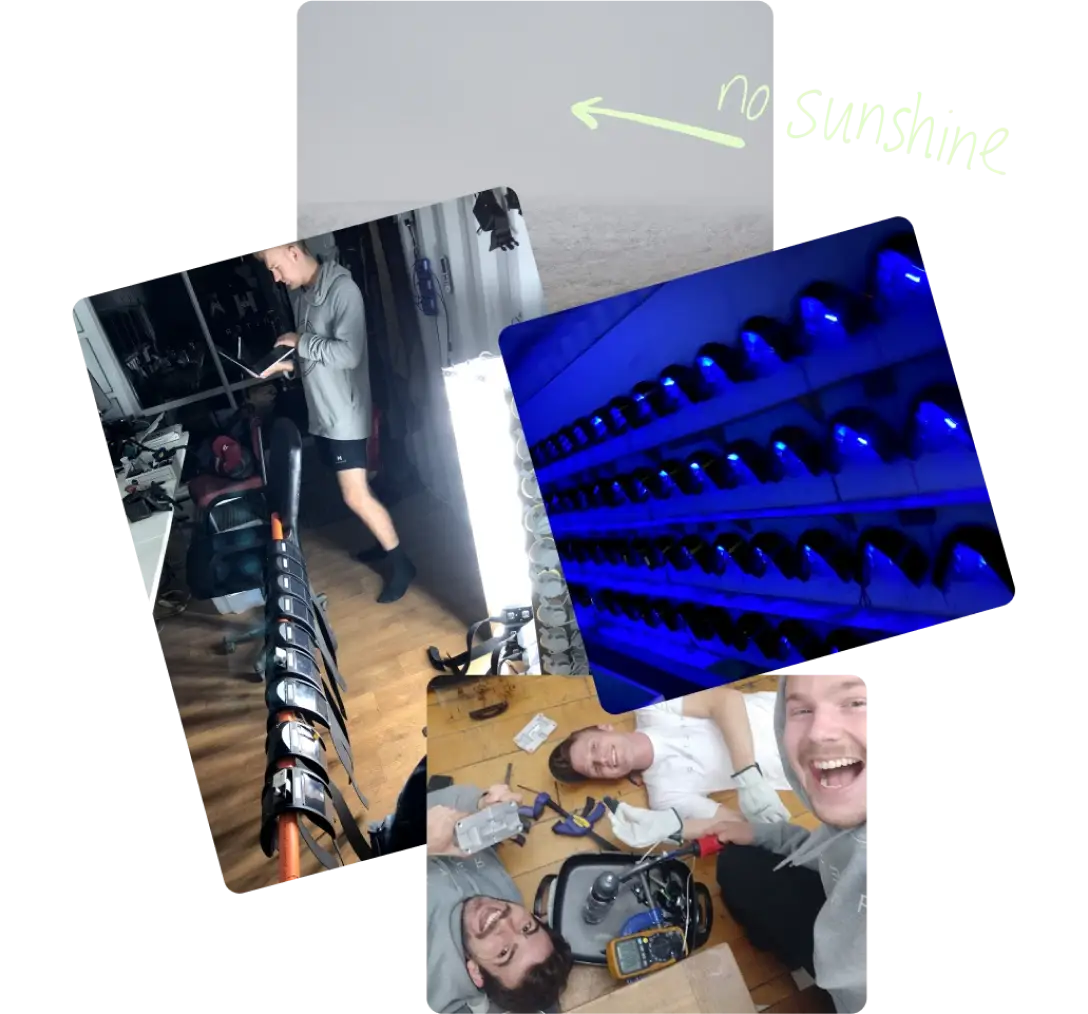
The first winter was a rather good product manager. Halter had put solar-powered collars on cows, but the batteries could struggle to last more than a couple of days. Staff swapped collars each morning and charged them in a shipping container. A system intended to remove farm chores had acquired a substantial chore of its own. Before the fence could become software, the hardware had to make it through winter.
- Draw it. Farmers set grazing boundaries on a phone; trained cattle respond to collar cues.
- Move it. Changing a grazing plan takes less fencing and herding labor.
- Price it. A recurring subscription must earn its keep through saved work and better pasture use.
That early episode, recalled in Halter’s own history, explains more than a financing announcement can. A farmer needs the thing to work on the morning when there is no spare time. The company now reports 1.5 million collars on cattle worldwide. Somewhere between those two facts lies the difficult business of making an invention useful.
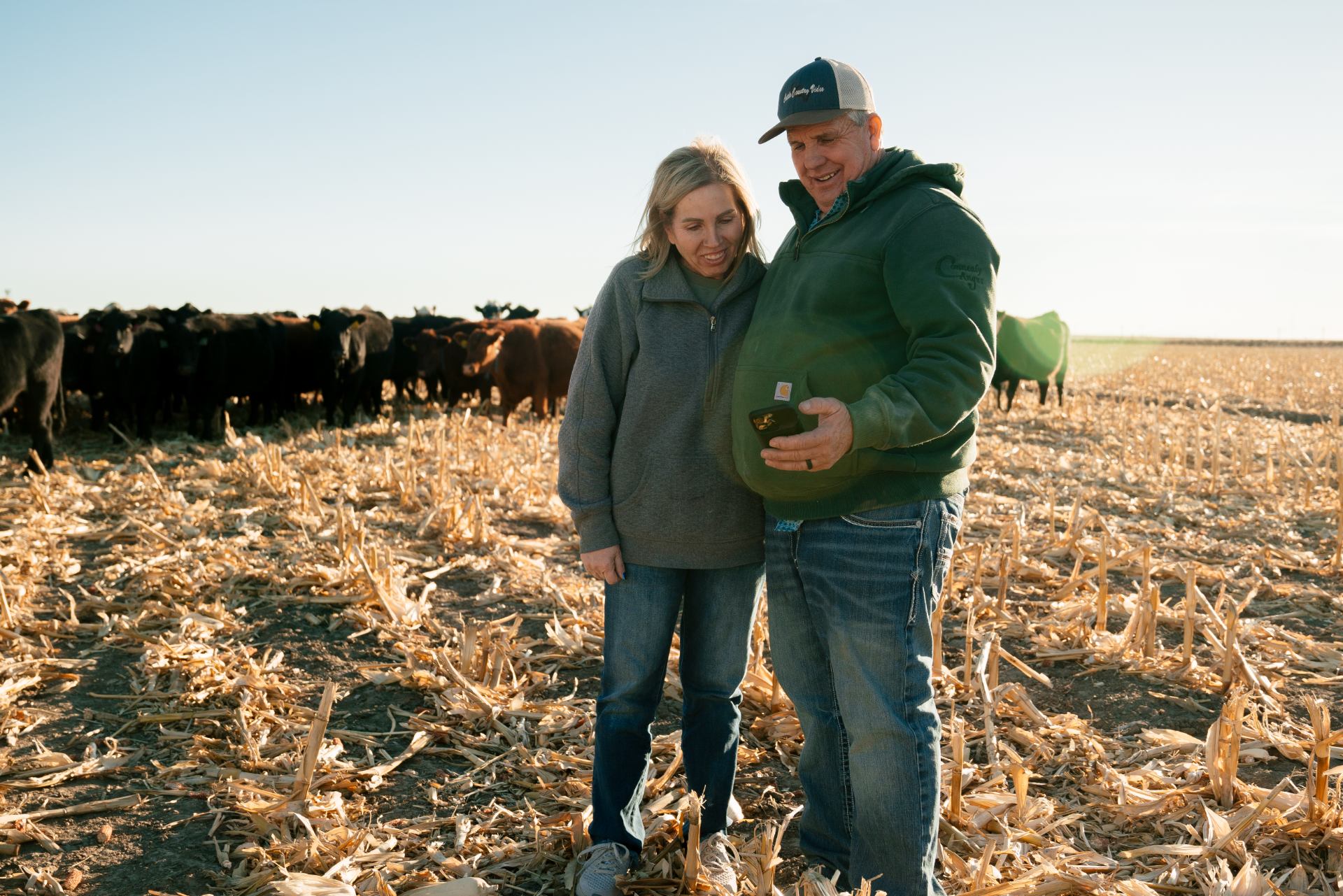
A boundary the cow can hear
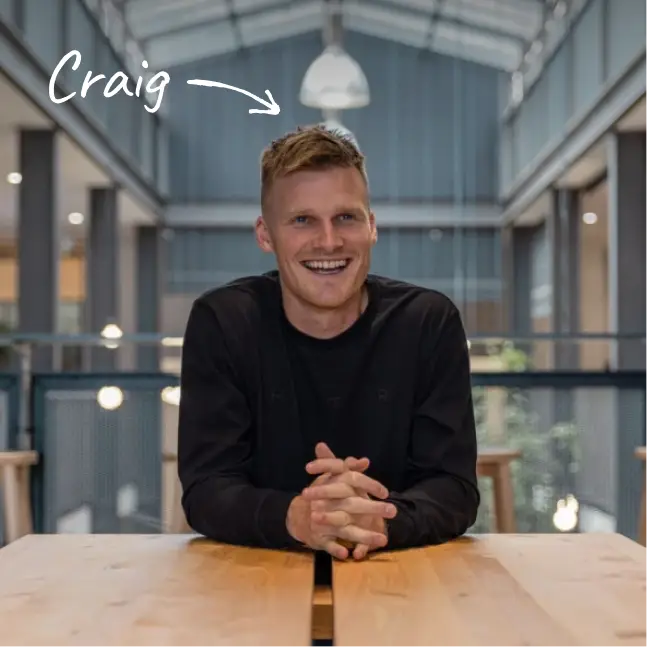
Craig Piggott grew up on a Waikato dairy farm, studied mechanical engineering and worked at Rocket Lab before starting Halter in 2016. Max Olson, its co-founder and first CTO, later founded electric-hydrofoil company Vessev. Piggott brought an unusually direct understanding of the customer: he had grown up around the work he wanted to automate.
Each animal wears a solar-powered GPS collar. The farmer draws boundaries in an app. Sound provides left-or-right guidance; vibration encourages forward movement. If the animal ignores the primary cues, the collar can deliver an electric pulse. Halter says training takes approximately seven days for dairy cows and ten for beef cattle. The animal learns a consistent relationship between a cue and its next action.
The electric component deserves plain language. This is an aversive system. Halter describes individual calibration, pulse limits and temporary disablement when limits are reached, with farmer intervention where necessary. Its welfare documentation also distinguishes active dairy shifting from passive beef shifting. Remote control still depends on animal learning, observation and care.
Area A grazes. Area B rests.
The crop hiding under the cattle
The customer buys a collar, in the everyday sense of buying a service. The productive asset underneath it is grass. Rotational grazing gives animals access to one area while another recovers. Moving temporary fences and herds takes labor; reducing that work makes more frequent adjustments practical.
Dairy customers can schedule movement toward milking, allocate feed and receive heat or health alerts. Halter combines satellite imagery, weather information, grazing records and farmers’ observations for pasture management. Its dairy materials show integrations with MINDA, DeLaval and other farm systems. The expertise spans electronics, communications, animal behavior and the unglamorous task of getting records to agree.
“Halter doesn’t replace being a farmer, it helps you be a better farmer.”
Corrigan Sowman, dairy farmer
Quoted in Halter’s customer materials
Beef Pro, launched in the United States in June 2026, adds feed-demand calculations, grazing plans, behavior trends and automatic grazing history. Its satellite forage layer is a directional signal, the company cautions, rather than an exact measurement. The point is to help a rancher decide where to graze next, then record what actually happened.
Put the subscription beside the shovel
Halter bundles collar use, software and support in a per-animal subscription. Hardware replacement comes under warranty terms. Current US packages require a quote. A UC Cooperative Extension comparison lists an approximate US$96 annual collar lease and a US$1,500 first-year startup fee. Treat those as benchmarks, rather than a satellite or Pro offer.
Illustrative USD arithmetic. Actual package, startup costs and contract terms require a local quote.
Cash flow matters alongside annual cost. In 2023, Halter and Figured Lending introduced financing that let eligible New Zealand farmers pay annual subscriptions through monthly repayments. That arrangement addressed when the bill arrived, without making the underlying subscription disappear.
The sensible calculation adds the recurring bill and setup costs, then compares them with work, fencing and purchased feed the farm can actually avoid. Time saved has different value on different operations. Better pasture use depends on water, recovery time, stocking decisions and the season. An app cannot manufacture rain.
Gallagher’s eShepherd, Nofence and Merck Animal Health’s Vence offer alternative virtual-fencing systems. Fixed fences and temporary electric wire remain competitors too. Halter’s proposition brings directional guidance, remote shifting and farm-management information together. Buyers should compare the complete workflow, ownership terms and connectivity, since the hardware generally cannot be exchanged between systems.
Then the towers came down
The original system used proprietary on-farm radio towers. In April 2026, Halter announced direct-to-satellite collars for beef operations, removing that infrastructure requirement. This addresses a concrete obstacle for remote ranches: the land where flexible fencing might help can also be difficult land to connect.
The commercial expansion has attracted capital. BOND led a US$100 million Series D in 2025. Founders Fund led a further US$220 million in March 2026 at a US$2 billion valuation. Separately, Deloitte ranked Halter first in its 2024 New Zealand Fast 50, measuring 1,539% revenue growth over three years. Investor enthusiasm and measured historical growth are useful signals; neither substitutes for an individual farm’s economics.
The useful thing to steal
Halter’s transferable lesson is to make a repeated decision cheaper to execute. Farmers already understand grazing rotations. A movable boundary lets them act on that knowledge more often. Its published culture stresses speed, ownership and customer focus; the winter story shows what those words demand when equipment meets weather.
A reader can copy the method before buying the equipment. Choose one routine that consumes time, record how long it takes, and identify the decision that delays it. Then test the proposed tool through awkward conditions, including the handover between staff. Judge the result against that baseline. A smooth demonstration answers a narrower question than a month of ordinary work.
The conditions remain specific: cattle, correctly fitted collars, trained animals, suitable power and connectivity, local availability and attentive management. Sheep and goats need another product. Subscription costs need a credible return. Even Halter’s early solar panels broke too easily; the company says it eventually borrowed an approach similar to bulletproof glass.
On public lands, the idea has another use. An August 2026 partnership update described 15 projects supported by the Foundation for America’s Public Lands, helping ranchers manage grazing alongside recreation and habitat. A fence line becomes easier to change. The responsibility for choosing where it belongs stays with people.