The spreadsheet was supposed to make things easier. At MVMT, the watch brand, creators were producing photographs, wearing products and bringing in customers. Then the roster grew. Five people were trying to coordinate a widening network across multiple platforms. The record of the work was becoming another job. In GRIN’s historical case study, the spreadsheet is the thing that gives up first.
- GRIN connects the chores behind creator partnerships, from discovery to payment.
- Its rebuilt platform adds Gia, an AI agent that can move work through those records.
- The practical test: fewer stalled promises, with fees that fit your creator budget.
The spreadsheet gives up first
MVMT’s problem was wonderfully ordinary. Someone needed to send the watch, create the promotional link, remember the conversation and work out what happened afterward. GRIN’s Shopify integration brought product fulfillment and unique creator links into the same workflow. The case study reports sevenfold creator growth and 100,000 affiliate-code conversions. Those are historical, company-published results, rather than a forecast for the next brand signing up.
The lesson travels beyond watches. A relationship can be personal while its administration is standardized. Put the address, agreement and previous conversation together, and a marketer has a better chance of remembering the person. Leave them scattered across inboxes and tabs, and even good intentions become difficult to execute.
Trust needs an address label
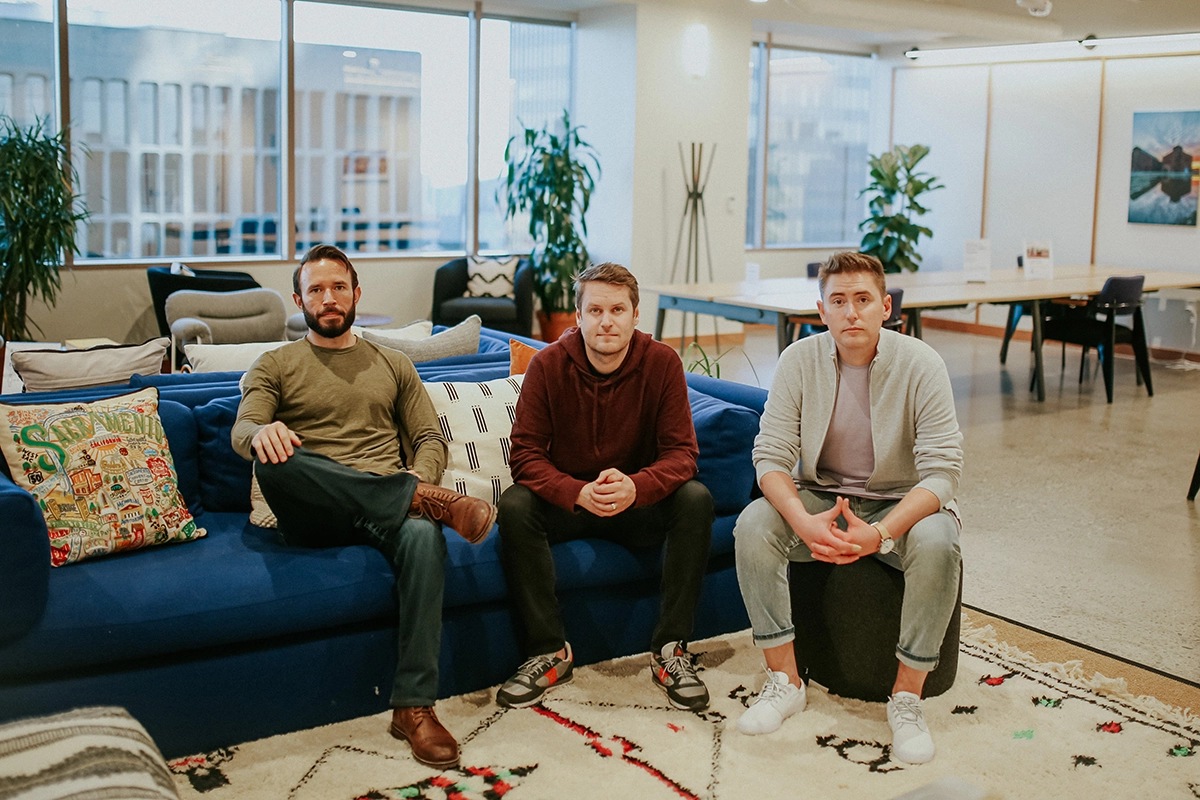
GRIN’s original insight came from that distinction. Co-founder Brandon Brown had worked on Red Bull’s athlete and opinion-leader programs. He and Brian Mechem started GRIN in a two-bedroom Sacramento apartment; the influencer platform launched in 2017. Their premise was that a brand should build a direct relationship with someone who actually believed in its product. Software would handle the supporting machinery.
Investors bought into the idea. A $10 million Series A in December 2020 was followed by a $16 million extension led by Imaginary Ventures in May 2021. That October, Lone Pine Capital led a $110 million Series B at a $910 million valuation. The valuation belongs to that financing moment. It is not a current price tag, and the money was investment in GRIN, not a marketing budget handed to its customers.
Then GRIN got in its own way
Ryan Debenham became CEO in January 2025, succeeding Brown, whose announced next role was board chairman. In May, GRIN introduced Gia, short for GRIN Intelligent Assistant. But adding intelligence was only part of the change. Debenham’s later account describes a more uncomfortable decision.
“In July 2025 we stopped selling the product that paid our bills.”
Ryan Debenham / September 2026
He says the reset meant surrendering revenue, restructuring the team and spending months rebuilding without a product to sell. His diagnosis included GRIN itself: a sales call, demo and annual contract had become obstacles to getting started. The company announced instant self-service access in January 2026. Its September account presents the rebuild as an attempt to remove both buying friction and operational work.
That is the interesting turn in the story. A tool can organize an unfinished task beautifully and still leave someone responsible for doing it. GRIN’s new proposition asks whether the system holding the records can also carry more of the activity between them.
What the new deal costs
Today, GRIN sells subscriptions and charges management fees when brands fund creator wallets. Published monthly prices range from Free through $200 Starter and $500 Growth to $1,500 Scale, with deposit fees falling from 20% to 5%. Enterprise terms are custom. Creators keep their earnings without a GRIN deduction. Product costs, postage and creator compensation still belong in the brand’s budget.
Monthly platform charge plus deposit management fee. Excludes the $10,000 creator budget, product, shipping and any payment-processing fees. Plan limits differ.
That arithmetic changes the buying conversation. Compare the whole program, including its staffing needs and gifting limits, rather than reading the subscription number alone. A low monthly charge can accompany a higher deposit fee. A busy team might value saved coordination time; a tiny, occasional program might have little coordination to save.
The missing package problem
GRIN’s September 2026 gifting analysis makes the problem visible. Across year-to-date gifting activity on its new platform, only 25 of every 100 requests shipped. Forty-five were declined. The remaining 30 stalled without a completed shipment, including unanswered requests and approvals that never became orders. This is a selected platform population, not a benchmark for every influencer program.
Copy the operating habit before buying anything: inspect unanswered requests, then look for approved gifts without orders. Give each queue an owner. A complimentary product also does not automatically purchase a post; gifting needs clear expectations. Faster fulfillment cannot repair an offer the creator never wanted or make an audience care about an unsuitable product.
An operator, with limits
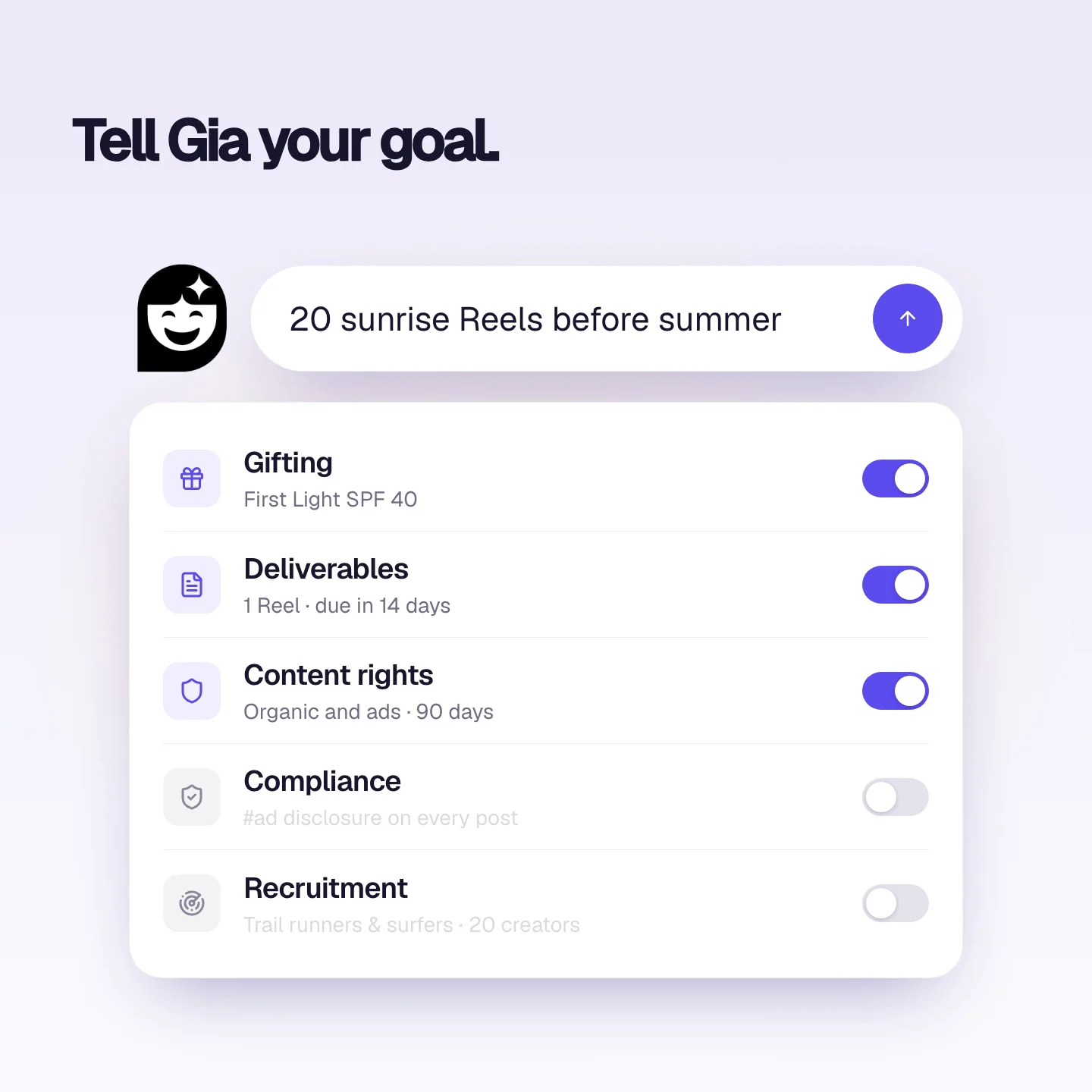
Gia works across sourcing, outreach, activation and reporting. Brands can teach a creator persona, review proposed matches and choose how closely to approve the agent’s work. The platform connects discovery with programs, deals, payments, content and measurement. Shopify connects directly; custom stores use an API. This makes GRIN particularly relevant to commerce teams juggling a recurring roster and repeatable tasks.
It has company. Aspire offers creator discovery, commerce integration and relationship workflows. CreatorIQ emphasizes enterprise governance and measurement. Neither AI nor Shopify integration is exclusive territory. GRIN’s argument rests on how its connected operations, agent and self-service economics work together. Buyers should test the specific workflow, not assume a category label settles the comparison.
There are boundaries. GRIN currently lists social listening and boosting creator content as ads on its pricing roadmap, rather than as available features. An agent still needs a useful brief and sensible review. Software can help keep the next promise, send the next package and record the next result. The product inside the box must give somebody a reason to talk.