A person can believe in a charity, make a gift, join its committee and still develop a sudden enthusiasm for any task that does not involve asking a friend for money. George C. Ruotolo Jr. has been paying attention to this particular form of enthusiasm for years. It is an awkward little problem with large consequences: an institution has supporters, but its supporters would prefer someone else to do the asking.
Ruotolo began his fundraising and public relations career in 1973. He founded Ruotolo Associates in 1979. Across the decades, his writing has returned to the gap between generosity and participation. The person willing to reach for a checkbook may be considerably less willing to reach for the telephone. A campaign committee can be full of goodwill and still have trouble getting past introductions.
His interest in that hesitation gives his career a useful point of entry. There are major campaigns, professional associations, board appointments and awards. But the recurring question is small enough to fit across a table: how do you help someone who cares about a cause become comfortable asking another person to care about it, too?
A firm built around the conversation
Before establishing his company, Ruotolo worked in investment banking and became a vice president at a public relations and fundraising firm. His studies at Niagara University combined political science and communications. Those subjects make an apt pairing for the work that followed: institutions need to understand people, explain themselves and persuade groups to act together.
The firm he founded offered a more personal, hands-on approach to fundraising counsel. That work involves the preparation before a campaign as well as the appeal itself. Annual giving, capital campaigns and planned gifts each ask people to think on a different timetable. The language of a campaign may be public and polished; the decision to support it belongs to individual donors.
One substantial assignment brought him back to Niagara. Ruotolo and his staff advised the university’s campaign, The Promise of Niagara…the Next 150 Years. Donald P. Bielecki, its former vice president for institutional advancement, describes a seven-year association in which Ruotolo worked with the president, staff and campaign leadership. The goal was $80 million. The campaign concluded above $88 million.
Seven years of advisory work with Ruotolo and his team.
Campaign totals described by former advancement leader Donald P. Bielecki.
The number is the conspicuous part. Seven years is the revealing part. A relationship of that length gives the word “counsel” some substance. There is time for planning, adjustment and repeated conversations among people with different responsibilities. The university’s result belonged to an institutional effort; Ruotolo’s role was to help its people carry that effort forward.
The volunteer needs a way in
In 2014, Ruotolo put a familiar frustration into an essay titled The Lost Art of Teaching. In his firm’s pre-campaign conversations, people often expressed willingness to give. When invited to become campaign volunteers, approximately half of those willing donors declined. His observation concerned the conversations his team was having, rather than a measurement of all charitable donors.
The closer the proposed role came to requesting money, he wrote, the less attractive it became. Hosting an event or making an introduction was easier to contemplate. He argued that volunteers needed preparation, encouragement and help becoming effective representatives of the organizations they served. The willingness to accept a leadership title did not automatically bring the confidence to undertake its more uncomfortable duties.
There is a small comedy of recognition here for anyone who has attended a committee meeting. Enthusiasm is plentiful until a task acquires a name beside it. Ruotolo’s response takes the discomfort seriously enough to treat it as something that can be worked through. Training matters because good intentions leave practical questions unanswered.
“Curiosity fuels cultivation”
George C. Ruotolo Jr., The Value of Relationship
In a later essay on volunteer leadership, he described ways his firm adjusts the request itself. A volunteer can join the meeting and explain the case for support while a staff member handles the financial ask. Another option lets the volunteer discuss the campaign’s needs and leave a letter specifying a proposed gift or range.
These arrangements preserve a place for personal connection. The friend or fellow member can affirm why the organization matters without carrying every part of the solicitation. Ruotolo’s argument allows for professional skill and volunteer credibility in the same conversation. A useful division of responsibility may get a hesitant supporter into a room they would otherwise avoid.
Taking a seat on the other side
Ruotolo has also worked inside the governance structures he advises. He served as chair of Ramapo College of New Jersey’s Board of Trustees, with his chair term ending in 2017. During his tenure, the board implemented a development program for itself and established a policy for evaluating the president. The science complex was renovated during that period, too.
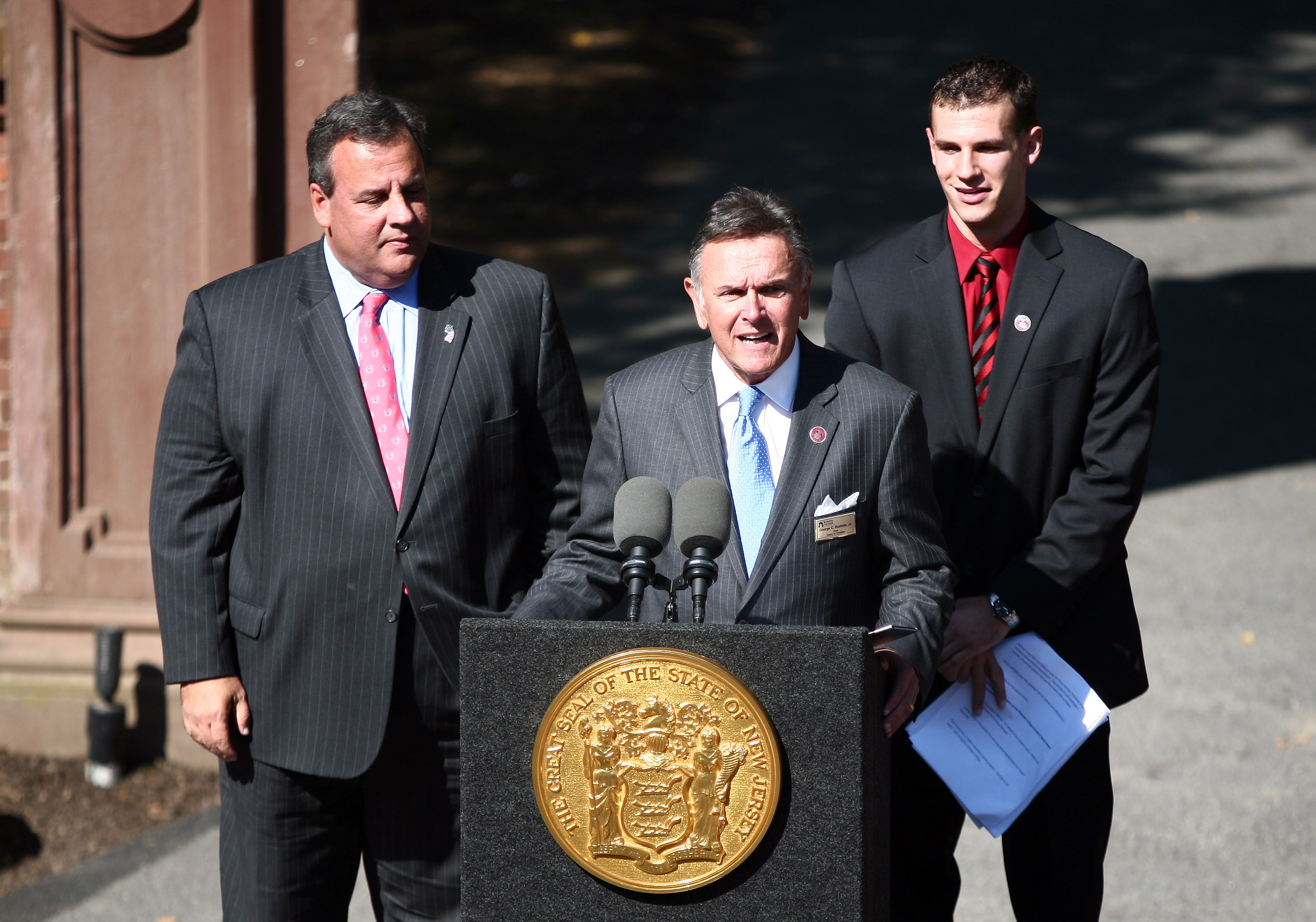
Board development has a particular relevance to his concern about volunteers. A governing body needs to learn how to do its own work, even when its members arrive with considerable experience elsewhere. Presidential evaluation also gives the relationship between a board and its executive a defined process. The college’s account of his tenure records attention to how authority is exercised, alongside the more visible work on campus.
A smaller Ramapo connection offers a view at the beginning of a career. Rebecca Scairpon interned at Ruotolo Associates during her senior year. After graduating in 2018, she joined the firm full time. In her account, she described herself as its first intern to make that transition. A professional relationship had become an opening into employment.
The numbers, and the people behind them
Ruotolo’s professional life also extends to the organizations that study and represent philanthropy. He has chaired the Giving Institute and the Giving USA Foundation. In 2001, he was quoted as chair of the AAFRC Trust for Philanthropy while discussing charitable giving during an unsettled economic period. He described going back through decades of recession history to understand what the figures might mean.
“Philanthropy will continue through these changes and others to come,” he said. The remark came with attention to economic confidence and the pace of giving. It presents a public role beyond advising a particular campaign: helping people interpret the conditions in which charitable organizations must operate. A reassuring sentence had some homework behind it.
He has been less reassuring about a poorly chosen consultant. Discussing consulting relationships, he warned that a failed campaign or study can damage an organization’s standing with its constituents. A prospective donor may question the judgment that produced the appointment. The cost of a bad match can therefore outlast the assignment.
That warning puts weight on the ordinary act of selecting someone to work with. A charity is entrusting an adviser with relationships that already exist and will continue after a contract ends. The work asks for competence, but it also places an outsider near the institution’s credibility. Ruotolo’s caution helps explain his repeated attention to the personal fit of professional counsel.
A phone call from three friends
In 2015, during Pope Francis’s visit to America, three friends from the Giving Institute called Ruotolo. They were together socially, watching the coverage, and it had made them think of him. They wanted to say hello. He later wrote about the call in Francis and Philanthropy.
At first, it was simply a surprise. A few days later, considering what to write, he recognized it as a compliment: his friends had connected him, however remotely, with a visit they found inspiring. He described Francis’s appeal as reaching across differences of religion, age and political persuasion. The memory gives his institutional affiliations a warmer scale. Sometimes a professional network is three friends deciding to call.
There is something nicely unceremonious about the episode. An event receiving enormous public attention prompted a private greeting, which became the beginning of an essay. Ruotolo let the small exchange stand long enough to notice what it meant to him. The gesture mattered after the conversation had ended.
The interviewer gets a lesson
With his Executive Chats, Ruotolo gave other people more room to speak. The series brought together college presidents, business executives, philanthropists, nonprofit leaders and church figures in informal video conversations. Participants included Peter Mercer, Les Quick and Heather Thompson. He gathered their reflections rather than keeping the conversation inside the boundaries of one institution or profession.
He later admitted that familiarity had led him to anticipate some answers. Friends and colleagues he had known for years still surprised him. In reflecting on the experience, he emphasized asking questions, paying attention and allowing someone else’s values to become clearer. Even an experienced adviser could enter a conversation with too much already decided.
In September 2025, AFP New Jersey recognized Ruotolo with its Award for Consulting Excellence. Twenty years earlier, the chapter had given him its Robert J. Smythe Outstanding Professional Fundraiser Award. The two honors mark a long span of work. His own reflections offer a more everyday measure: whether he has listened closely enough to learn something.
That question brings the story back to the reluctant volunteer. Understanding another person requires leaving room for the part they have not yet said, including their discomfort. Ruotolo keeps proposing ways to let that person participate. The campaign needs support, the volunteer needs confidence, and a friend may be willing to listen. There is still a conversation worth arranging.
Continue the conversation
More from Ruotolo, his firm and the institutions in his working life.
Official biography ↗George Ruotolo on LinkedIn ↗Watch Executive Chats on YouTube ↗His essay on volunteer leadership ↗The Lost Art of Teaching ↗The Value of Relationship ↗Ramapo’s account of his board tenure ↗The 2025 AFP New Jersey honorees ↗Ruotolo Associates ↗