The curious thing about a corporate laptop is how much of its life it spends being something other than a laptop. It is an item awaiting approval. A box in a warehouse. A configuration job. An employee’s missing delivery. Eventually, it becomes a question about who remembered to erase the disk. The processor gets the advertisement. The journey gets the invoice.
- Future Tech buys, configures, deploys, and manages enterprise technology.
- Its lifecycle brochure reports nearly 300,000 devices configured and imaged each year.
- Northrop Grumman is a named customer; Dell and NVIDIA are central technology partners.
- Its useful idea: judge the purchase by the working system it produces.
Future Tech Enterprise has built its business in that journey. It supplies hardware and software, certainly. It also handles the work that makes a purchase usable: integration, logistics, support, and retirement. That combination matters when the buyer is a university, a hospital network, or a defense enterprise whose requirements cannot be satisfied by clicking “add to cart.”
The warranty clock
Consider a small detail in Future Tech’s lifecycle offering. It advertises warranties that begin when equipment ships. It also holds secure inventory ready for deployment. Together, those promises address a distinctly unromantic problem: a machine can be aging commercially while it is still waiting to become useful.
The company’s lifecycle brochure, dated December 2023, reports nearly 300,000 devices configured and imaged annually. At that volume, a repeated handoff becomes an operating system of its own. Someone must know which employee needs which configuration, what software belongs on the device, where it should go, and what happens when it comes back.
A buyer can compare two laptops by price. Comparing two deployment programs takes more imagination. Include the time spent preparing machines, inventory sitting idle, support obligations, and the handling of retired equipment. This is an editorial way of reading Future Tech’s offer: the purchase price opens the calculation; it does not finish it.
The rival who picked up the phone
Bob Venero started Future Tech in 1996. His Forbes Council biography places the beginning in his basement, when he was 29. The origin is familiar enough. The more revealing episode came later, when a company he had competed against offered a different relationship.
At Dell Technologies World 2026, Venero recalled years of losing business to Dell. When he heard Dell was opening up to the channel, he called Michael Dell’s office. Dell unexpectedly took the call, then visited Future Tech’s New York headquarters. Venero described fellow resellers criticizing his decision to cooperate.
“We lost a lot to Dell over the years.”
Bob Venero · Dell Technologies World 2026 interview
What changed was the commercial opportunity. Dell could supply a portfolio; Future Tech could organize it around particular customers. A rival’s move into partnerships gave Venero a reason to revise his position. The episode offers a more useful business lesson than stubbornness usually does: reconsider the relationship when the incentives change.

Future Tech now describes itself as a Dell Global Titanium partner. Its wider partner roster includes Apple, HP, Lenovo, Microsoft, Cisco, and NVIDIA, among others, spanning more than 700 manufacturer product lines. Its position is the enterprise reseller and integrator: a business that earns its place by fitting other companies’ products into a customer’s operation.
For a buyer, the relevant comparison is between ways of getting work done. Direct purchasing may suit an organization with its own integration and deployment capacity. An outside partner becomes more attractive as the number of vendors, locations, configurations, and obligations rises. Future Tech’s case rests on that complexity.
An AI factory with several makers
In October 2025, Future Tech announced its role in Northrop Grumman’s enterprise AI factory. The components included Dell PowerEdge servers, NVIDIA RTX PRO 6000 Blackwell Server Edition GPUs, Red Hat OpenShift AI, and DDN storage. Future Tech coordinated the partner ecosystem and integration.
“AI factory” can sound like a building where someone manufactures intelligence by the yard. Here it means an integrated environment for running AI workloads: computing, data, software, and applications assembled for an enterprise customer. The announced work concerned secure infrastructure for mission-critical uses. It was an integration project with several makers and a specific buyer.
Future Tech: coordination and integration
Conceptual stack, not a technical architecture diagram.The relationship also has a less speculative marker. In May 2026, Future Tech announced its fourth consecutive Supplier Excellence Award from Northrop Grumman, with recognition for Strategic Excellence. An award does not measure every deployment’s performance. It does show a named customer returning with recognition across successive years.
Future Tech has applied AI to its own paperwork, too. In a November 2025 Federal News Network interview, Venero described putting 29 years of procurement responses into an AI model and reducing an RFQ response team from seven people to one. Treat that as his account of a particular workflow, rather than a forecast for every purchasing department. The copyable idea is narrower: start with a repeated task and an existing body of material.
Buy the next device only after looking at the last one
Future Tech’s lifecycle service runs from planning and procurement through configuration, deployment, and asset retirement. Its B-stock program refreshes and reprograms applicable devices to extend their useful life. At retirement, the offering includes clearing data and disposing of equipment. These are different decisions, although a hurried budget discussion can collapse them into one word: replacement.
In April 2026, Future Tech added Nexthink analytics to that service. The announced capabilities include visibility into device performance, utilization, software use, and employee digital experience. That information can support decisions about underused devices, software licenses, and issues affecting work.
The significance is practical. A fleet’s age is simple to record. Whether it is serving its users well requires evidence. Analytics gives the lifecycle conversation another input. A sensible buyer would ask which decisions the measurements will change before buying another dashboard.
Select a stage to see the work behind the purchase.
Define users, configurations, security requirements, and the procurement plan.
A reading of Future Tech’s published lifecycle offering.The commercial model combines third-party hardware and software resale with services. PC-as-a-Service adds an ongoing lifecycle arrangement, while managed print services include purchase, leasing, and replacement options. For customers weighing these arrangements, the useful comparison is the full obligation: what is included, when equipment can change, and who handles the last day as carefully as the first.
The cloud has a floor plan
Future Tech’s hybrid-cloud offering recognizes that data may belong in a combination of on-premise and cloud environments. Its iFortress offering takes the physical question further: where, exactly, will sensitive equipment and people work?
iFortress uses modular configurations that can expand, contract, and relocate. Future Tech advertises six-to-eight-week assembly using pre-engineered, factory-finished panels. The product description emphasizes controlled conditions and protection against water, humidity, dust, and temperature extremes, alongside options for sensitive workspaces.
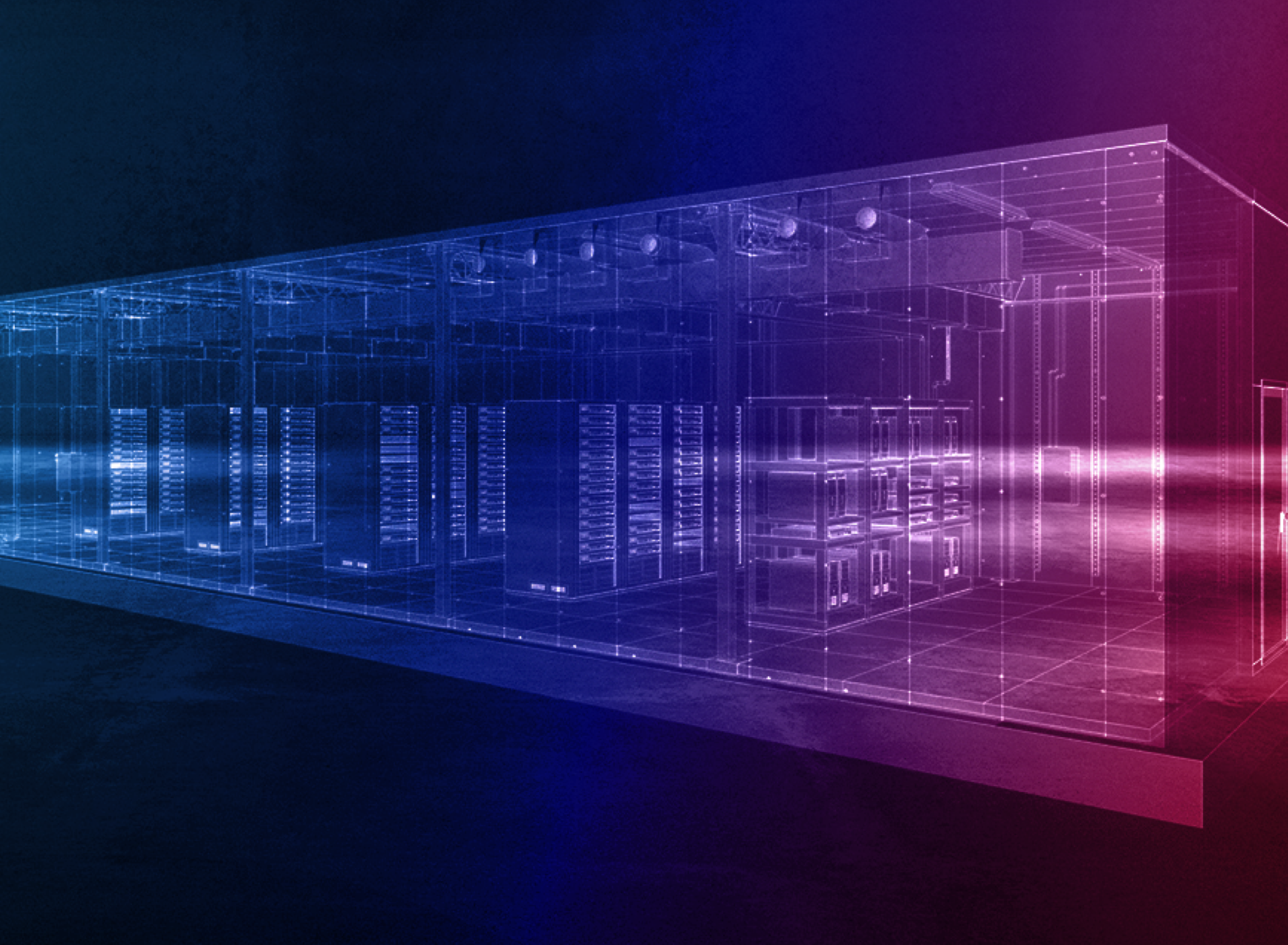
The advertised assembly window is one part of a facility project. A buyer still has to fit the environment to its site, utilities, equipment, and approval requirements. Modularity is useful when those requirements suit it. A sensitive installation needs its own review; a product description cannot settle every building’s obligations.
The people who remember the exceptions
There is another founder in the company’s current executive biographies. Tracey Venero, its president, oversees areas including finance, logistics, marketing, and community engagement. Those responsibilities sit close to the operational work on which the customer promise depends.
Future Tech’s careers page quotes Bob Venero reporting average employee tenure above ten years and advertises flexible schedules and remote options for many positions. Its August 2025 announcement offered a more concrete cultural detail: a $1,000 investment benefit for children born to full-time U.S.-based employees. The family-owned company also names healthcare and educational charities among its community commitments.
For readers buying technology, the useful habit is to interrogate the handoffs. Ask who owns configuration, what inventory is available, when warranties begin, how utilization informs replacement, and where retired data goes. For AI, add a named workflow and an owner who can judge its output. These questions need clear requirements and reliable records; an outside partner cannot choose an organization’s priorities for it.
Future Tech’s story gives those mundane questions some stature. A server, a laptop, and a software license all have destinations. The business earns its keep in the work of getting them there, ready to do the job.