Before there was a platform, there was a familiar social arrangement: somebody in the group knew where to stay. That person found the hotel, understood the children’s requirements and rescued everyone from an evening of comparing tabs. The reward was gratitude. Fora Travel’s founding question was whether gratitude could become an income stream.
- Fora supplies the machinery for an independent travel business.
- Advisors pay a subscription and share supplier commissions.
- Travelers get personal planning and eligible hotel perks.
- Finding clients remains the advisor’s job.
That question has acquired considerable financial weight. In July 2026, Fora reported more than 15,000 active advisors and over $3 billion in cumulative travel bookings. Its $60 million Series D valued the company at $1 billion. Booking volume measures the trips sold through the network; it should never be mistaken for money the company gets to keep.
A small agency meets a very large interruption
Henley Vazquez already knew the profession. She had built Passported around young families who wanted interesting trips that still worked with children. Then the pandemic hit. Travel stopped, and the economics of running a small agency became painfully immediate. In Fora’s account of her career, she described emerging with affection for the industry and considerably less affection for operating another small business.
“I do not love running small businesses anymore.”Henley Vazquez, recalling the pandemic
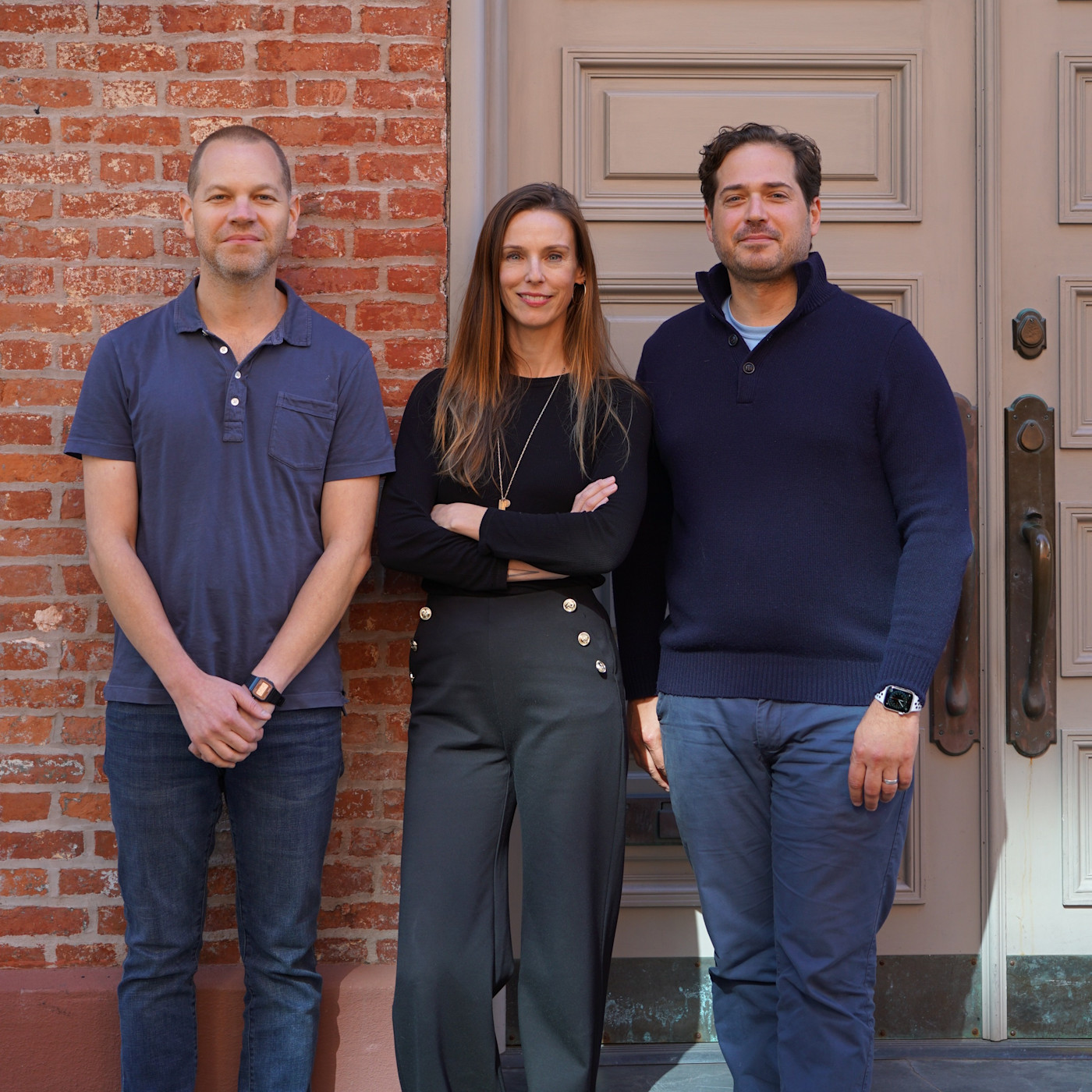
Evan Frank, whose children attended the same school, saw another problem: people around them wanted flexible work and already helped plan travel. Vazquez understood why the traditional business struggled to accommodate them. Margins and overhead made casual participation difficult. Together with product and technology founder Jake Peters, they launched Fora in 2021.
Their response was to pool the expensive, tedious parts. Advisors could run their own businesses under Fora’s accreditation, use its supplier relationships and learn the profession through its training. Venture funding would support the infrastructure. A $5 million seed round in 2021 was followed by $13.5 million in Series A funding announced in 2022. The proposition required capital before it could offer convenience.
The $350 inside a $5,000 booking
The entry price is straightforward: $299 a year or $99 per quarter. The less obvious price is the share of commissions. New advisors keep 70% of the commission a supplier pays; Fora keeps 30%. The advisor share rises to 80% at $300,000 in calendar-year bookings and 90% at $2 million. Those thresholds count travel sold, rather than personal earnings.
The example makes the distinction tangible. A $5,000 hotel booking at an assumed 10% commission yields $500 to divide. The beginner receives $350. It takes clients and repeat business to turn that into a livelihood. Fora says commissions provide most of its revenue, with subscriptions contributing a smaller portion.
For travelers, most hotel bookings carry no separate planning charge. Complex, multi-stop trips may involve an upfront concierge fee. Families, honeymooners, groups and safari travelers can ask an advisor to assemble the moving pieces. Preferred hotel arrangements may add breakfast, property credits or upgrades, subject to the booking’s terms and availability. A useful advisor can turn an appealing hotel into a suitable one.
The machine behind the personal touch
Portal, Fora’s advisor platform, brings booking, client records, itineraries, proposals and commission tracking together. Fora also handles supplier invoicing. These are modest-sounding features until you consider the alternative: recommending a lovely resort, then spending your afternoon figuring out which system holds the reservation and whether anyone has paid you.
Training and community complete the package. Advisors can consult on-demand lessons, attend live sessions and exchange knowledge through Forum and local Chapters. That matters when a new advisor encounters a destination or request outside their experience. The software stores information; another advisor may know which question to ask.
Fora Reserve brings together preferred supplier relationships, including Virtuoso membership and programs such as Four Seasons Preferred Partner and Rosewood Elite. Travelers can alternatively book directly, use an online booking site or work with a traditional agency. Advisors can choose another host. Fora’s competitive proposition is the combination of tools, training, access and administration in one business arrangement.
AI gets the paperwork
Fora’s AI work began before the latest funding headline. In 2024 it described Sidekick, a GPT-4-based chatbot drawing on training, supplier details and community knowledge. In August 2025 it acquired Legends, a startup working with consented traveler data to develop preference insights. The acquisition price was not disclosed.
Peters’s account contains an instructive pause. He saw possibilities for Legends roughly two years earlier, but Portal was not ready to integrate the technology. Competing engineering priorities kept intervening. Eventually, both sides preferred building together to maintaining a vendor relationship. Even an attractive idea needs somewhere useful to live.
By the July 2026 announcement, Via, an embedded assistant for research, supplier knowledge, itineraries and proposals, was in beta with selected top advisors. The ambition is to shorten the administrative day. It is a credible direction for a business whose human representative still has to explain the recommendation and answer the client.
What the well-traveled friend still has to do
Fora’s growth gives the model substance. It announced $60 million across Series B and C in April 2025, then added the Series D in July 2026, bringing total funding to $138.5 million. Its September 2026 accessible-travel report also points toward the detailed, personal requirements an advisor can help interpret.
The lesson readers can copy is to find useful work already happening between people, then make the surrounding operations easier. But the arrangement depends on service and sales. A subscription cannot supply a trusted client base, spare hours or a guaranteed paycheck. Fora explicitly discourages joining for passive income or personal travel discounts. The friend with the itinerary still has to do the job. Now there is machinery behind them.