At Koppers, a company that makes carbon compounds and treated wood products, the numbers took a peculiar turn. Between 2005 and 2007, reported near misses and first-aid cases rose 300%. In an ordinary management meeting, that would invite some uncomfortable questions. In this case, the explanation was rather encouraging: people were recording events that previously never reached headquarters.
- ESS connected environmental, safety and crisis information across large organizations.
- Its customers included Koppers, Dow, Duke Energy and CNPC/PetroChina.
- IHS bought the Arizona software company for approximately $59 million in 2009.
The software behind that change was Essential Suite, from Environmental Support Solutions, or ESS. The lesson is uncomfortable for anyone who enjoys a tidy dashboard. A company can discover more trouble because it has become better at looking. Before celebrating a falling line on a chart, it helps to ask how the line was made.
A rise worth investigating
Koppers had a familiar organizational problem. Its headquarters needed consistent information from 30 global locations. Its plants had spreadsheets, environmental records and accident databases. Each collection served a purpose. Together, they made a patchwork.
“Nothing worked together.”
Linda Paul, environmental manager at Koppers
ESS’s 2008 customer case study described a shared incident system with automatic alerts and consistent cause codes. Initial event notification could take less than two minutes. Koppers estimated that preparing its monthly environment and safety report took half as much time. These were customer-reported results in vendor material, rather than controlled measurements.
The telling detail was the increase in reported events. Easier entry brought previously overlooked near misses and first-aid cases into view. That gave managers a broader picture. A better instrument had changed the apparent condition of the patient.
Different measures. More visibility and less reporting work can happen together.
A floppy disk with a larger ambition
ESS began in 1993. In a 2008 retrospective, adviser Francine Hardaway recalled Robert Johnson’s small Arizona operation selling refrigerant-tracking software on diskettes. Changing regulatory requirements supplied a practical reason to buy. Environmental record keeping offered an opening that a more glamorous software business might have overlooked.
Johnson, a co-founder and the company’s chief executive, imagined something broader: Internet access to connected tools spanning environmental and safety obligations. The narrow problem gave him a customer; the larger ambition gave him somewhere to go next.
Expansion had a price. Hardaway, who also became a shareholder, later described acquisitions whose overhead and incomplete integration became painful during the dot-com bust. Her public-relations role was cut. That participant account supplies a useful complication: a company selling integration could itself struggle to integrate what it bought.
By 2008, ESS was organizing offerings around climate change, worker health and safety, environmental compliance, crisis management and corporate responsibility reporting. Its expertise combined software with the rules, calculations and work routines surrounding industrial operations. The business had grown beyond its original record keeping task.
One record, several jobs
Essential Suite offered modules for air, water, waste, chemicals, incidents and other obligations. A local team could record information; specialists could check it; managers could use it across sites. The commercial argument was straightforward: fewer separate systems, less repeated entry and more consistent reporting.
- 01 Capture at the site
- 02 Share a common record
- 03 Check and classify
- 04 Report and act
A conceptual view of the shared-data approach, not a product screen.
Dow provides a substantial example. Its environmental reporting project replaced multiple legacy systems across 200 U.S. production facilities. An ESS-published account reported eliminating over $2 million in redundant reporting systems. Dow’s implementation joined its environmental and IT teams with ESS and CH2M Hill. The work included interfaces, common responsibilities, training and centralized support.
CNPC/PetroChina presented a different challenge: scale and localization. CNPC selected Essential Suite in 2005, with IBM implementing and adapting the system into Mandarin. The deployment illustrates why enterprise software travels with implementation expertise. A common platform still has to fit the people and procedures using it.
ESS occupied the enterprise environmental, health and safety market alongside vendors such as Enablon, Intelex and Enviance. Its integrated modules and regulatory knowledge formed its pitch. The customer stories also reveal a stubborn alternative: keeping the existing spreadsheets and databases running for another year.
The bill behind the dashboard
Web access did not automatically make Essential Suite a modern subscription-only service. A later IHS government catalog lists perpetual licenses, site pricing and annual maintenance. Essential Air’s first-site license was listed at $6,066; Essential Suite support at 17.55% of current list license prices. Those figures describe that catalog, not a complete implementation budget or a current offer.
Configuration, connections to existing systems and training added work beyond acquiring a license. Dow’s example suggests a condition for success: management must support shared processes. Otherwise, a common database can inherit the disagreements previously scattered among separate files.
On September 17, 2009, IHS acquired ESS for approximately $59 million, net of cash acquired. The figure describes the purchase of the company, not customer spending. ESS’s lineage later entered Sphera, formed in 2016 after IHS divested its Operational Excellence and Risk Management business.
An earlier place in the decision
One particularly useful application appeared in an EPA newsletter in spring 2011. Noble Energy used Essential Suite 7.3.3 to characterize baseline greenhouse gas emissions for its Tamar project. The analysis helped its design team understand the scale of methane emissions and the potential value of capturing and using that gas.
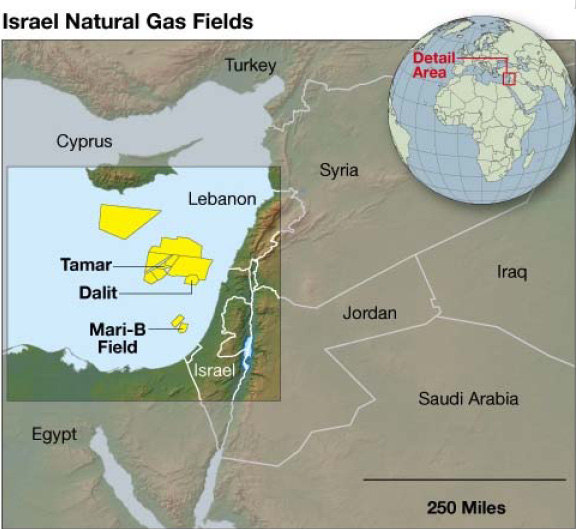
The useful move was timing. Information entered the conversation while design choices were still being considered. That is a practical extension of the ESS idea: records become more valuable when they reach someone who can still change a decision.
There is something worth copying here. Start with a specific obligation. Make recording easy. Agree on definitions. Put the information where people can act on it. Those are lessons from the cases, rather than a promise that buying software delivers them. If events go unrecorded or sites reject common rules, the dashboard will remain an attractive picture of incomplete evidence.
Follow the trail
Explore ESS’s historical LinkedIn profile, original website address, and Sphera’s company history.
Read the founder retrospective, Koppers case, Dow project account, and EPA’s Noble Energy feature.