Tropicfeel wanted to sell between 7,000 and 10,000 pairs of a travel shoe. Its 2017 crowdfunding launch sold more than 25,000. Backers came from 138 countries. For a young company, this was an enviable problem, right up to the moment somebody had to put the shoes in boxes.
- Shipping software with cross-border costs built in.
- For sellers, creators and platforms.
- Tropicfeel reported 20% lower shipping expenses.
- Compare real parcels and costs.
The team had chosen a single shipping solution to cover its destinations. Convenient, certainly. Economical, less so. According to Easyship’s account of the project, delivery costs were eating into money needed for marketing and product development. Demand had outrun the assumptions behind the delivery plan. Success arrived wearing a rather expensive pair of shoes.
01The obstacle was already there
Easyship’s founders had encountered the same friction from the other direction. At Lazada, Tommaso Tamburnotti helped merchants in Hong Kong and China sell abroad. The stumbling block was logistics: choosing a courier, calculating duties and preparing the correct documents. Teaching individual sellers worked, but left an enormous population of merchants outside the classroom.
Tamburnotti and Augustin Ceyrac began Easyship in Hong Kong; Paul Lugagne-Delpon became its technical co-founder. The company dates its beginnings to 2014. Its proposition was practical: gather the fragmented decisions required for international shipping into a platform an ordinary seller could use.
The software was only part of the difficulty. In a 2016 interview, Tamburnotti described conservative local businesses reluctant to trust young founders without a track record. He recalled that winning the first 100 clients took as long as winning the next 1,000. Reputation, once acquired, did some of the selling.

02One parcel, several possible answers
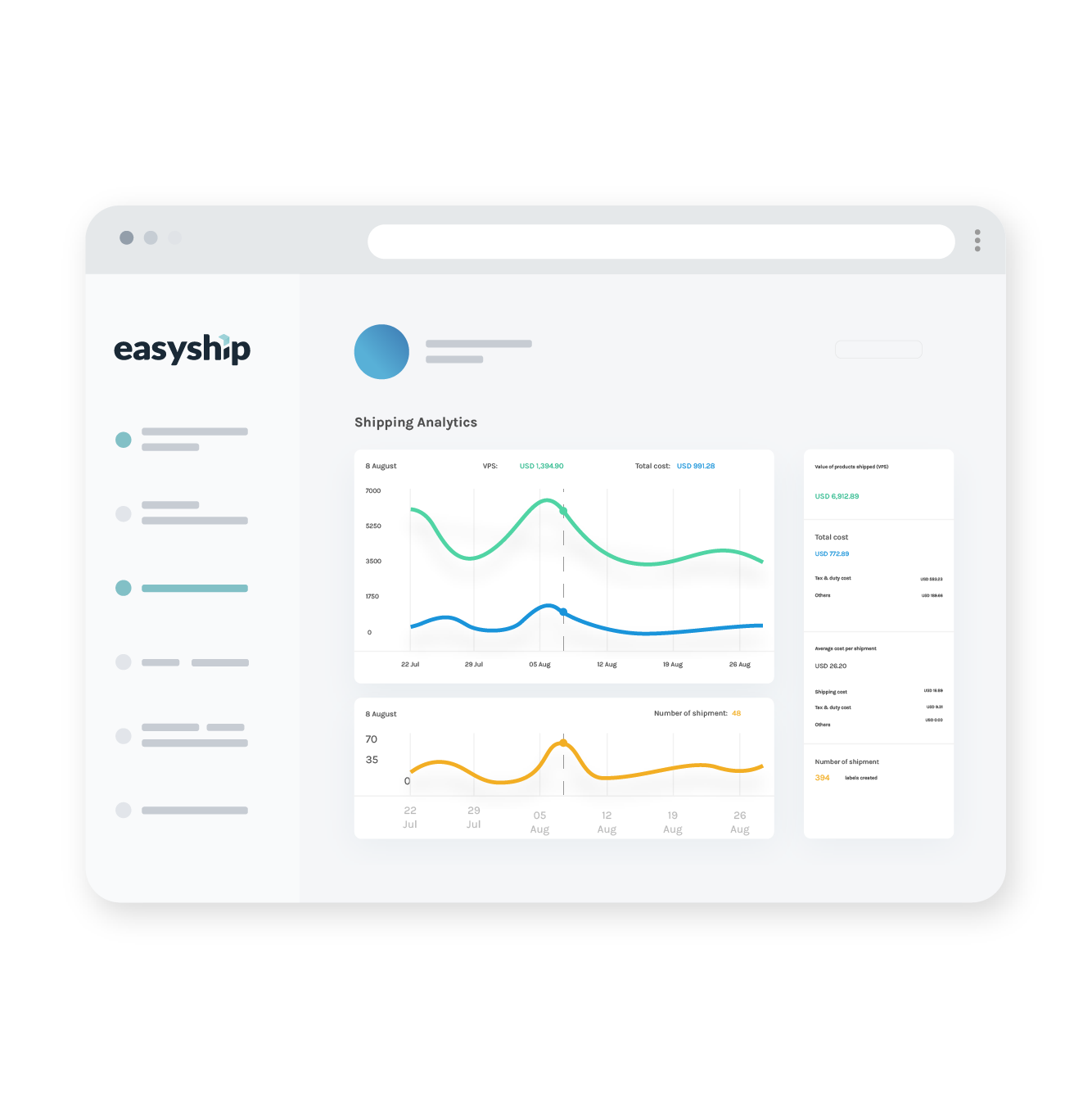
Easyship now combines a merchant dashboard with a shipping API for developers and larger platforms. Orders can flow in from stores and marketplaces, including Shopify, WooCommerce, Amazon and eBay. A seller can compare available services, buy labels, arrange collection and follow shipments without maintaining a separate workflow for every courier.
The company advertises access to more than 550 courier services. Services matter here: this is a menu of delivery products, rather than 550 separate courier companies. Availability still depends on the shipment’s origin, destination and contents. A formidable menu does not mean every dish is available at every table.
For international orders, the platform calculates tax and duty estimates and generates customs paperwork. Its checkout tools can present the cheapest, fastest and best-value options. That changes when the awkward conversation happens. A shopper can consider delivery speed and import costs before buying, rather than discovering them when the parcel arrives.
Shipping rules handle repeat decisions using conditions such as weight, destination or order value. Batch printing reduces clerical work; branded tracking and return labels carry the process beyond dispatch. Partner fulfillment centres can hold stock and pick and pack orders. Easyship coordinates software and logistics relationships; the couriers still move the parcels.
03The bill that changed the plan
Tropicfeel switched its second campaign’s fulfillment to Easyship and used different couriers for different backers. The published case study reports 45 shipping solutions across 15 couriers and a 20% reduction in shipping expenses. Those are results from a vendor-published customer account, not a forecast for another footwear company.
The useful lesson is the change in the unit of decision. Tropicfeel had bought simplicity at the level of the whole campaign. It subsequently sought value at the level of each delivery. Its move to Shopify also gave the shipping arrangement a life beyond crowdfunding. The campaign could end while the business kept selling.
04Free software, paid journeys
Easyship sells software subscriptions alongside access to shipping services. A free tier lets smaller operations start without a monthly subscription; paid plans unlock higher usage and additional features. Postage remains payable, with insurance and fulfillment adding costs where selected. Subscription prices and shipment allowances vary by market.
Its December 2025 API announcement marked another change: advanced endpoints would become accessible through self-service, usage-based plans from January 2026, replacing custom contracts for that offering. Developers could pay per successful call or choose plans with included allowances. The budget therefore depends on what the integration asks the system to do, as well as what it ships.
Easyship also says it waives subscription fees for successfully funded crowdfunding projects until their initial backer shipments are fulfilled. Shipping and fulfillment costs remain. For a creator, that distinction deserves attention: removing the software fee does not pay the warehouse or the postage bill.
“The main obstacle for them was the logistics.”
Tommaso Tamburnotti / founder interview, 2016
05A shipping desk inside the software
ShipStation, Shippo and EasyPost occupy neighbouring territory: shipping management, labels and programmable carrier access. Easyship’s distinctive emphasis is the combination of courier comparison, cross-border cost visibility and fulfillment support, with particular attention to crowdfunding. A small Shopify seller and a developer building a marketplace can approach the same underlying network through different doors.
In February 2026, Easyship announced Amazon Buy Shipping within its dashboard. In April it launched an MCP server, exposing shipping operations to compatible AI agents. An assistant can request rates, tracking information or a label through those tools. The new interface shortens the route to existing logistics infrastructure; it does not make a delivery truck travel faster.
06Measure the box before promising the world
The method a merchant can copy is pleasingly unglamorous. Start with packed dimensions, weight, product details and actual destinations. Compare delivery options against the promise made to the customer. Decide who pays import charges. Test the checkout and send a small batch before entrusting a whole launch to an automated rule.
There are limits. An attractive percentage discount against retail rates may mean little to a business already holding a strong carrier contract. Bulky goods, restricted contents and unsupported routes can narrow the available choices. Easyship’s own quoting guidance asks for complete shipment details; software cannot price a box accurately when the box exists only in somebody’s imagination.
The careers page describes an international team and emphasizes initiative and ownership. Advertised benefits include equity, wellbeing days and four weeks of global flexwork. These recruiting claims suit a business whose customers and delivery networks span time zones.
The company says more than 100,000 businesses use its platform. Its appeal lies in a familiar predicament: selling across borders is easier than keeping every delivery promise profitably. Tropicfeel’s shoes made that predicament visible. Easyship offers a way to examine the bill while there is still time to change the plan.