A broadband customer sees a spinning wheel. The operator sees a line that appears to work. Somewhere between those two observations sits a surprisingly expensive problem: nobody quite knows which part of the connection deserves the blame. DZS built equipment and software for that territory, where light in a fiber becomes a service someone can actually use.
- DZS supplied the machinery behind broadband: fiber access, optical transport, home gateways and network software.
- Its software ambitions ran into an awkward fact: hardware partners could also be competitors.
- Chapter 7 ended substantially all operations in March 2025. Separate buyers took the technology forward.
The Wi-Fi complaint with a hidden address
Take TalkTalk. The British provider used DZS’s CloudCheck and Expresse to examine connectivity both inside the home and along the access connection. The point was practical: give support staff enough evidence to isolate trouble before escalating a call or replacing equipment. In a 2023 account of the deployment, TalkTalk described shorter handling times and better first-time fixes.
“These DZS solutions also help us to reduce call escalations”
Phil Haslam · CTO, TalkTalk · 2023
That is an unglamorous promise, which makes it interesting. Faster broadband can still produce an unhappy customer if the living-room Wi-Fi misbehaves. DZS’s software helped operators distinguish between problems that feel identical to the person watching the wheel. The TalkTalk work won a Leading Lights award for home-network intelligence. Here was a case where better observation mattered alongside more bandwidth.
Three boxes. One connection.
DZS occupied several points along the route. Velocity optical line terminals sat on the provider’s side of a fiber-access network. Helix terminals and gateways served the customer premises. Saber optical transport moved aggregated traffic across the wider network. Xtreme added management, automation and orchestration. Think of the portfolio as a set of handoffs: carry the traffic, distribute it, deliver it, then keep the system manageable.
The buyers were communications providers and enterprises, including regional operators facing very different terrain from national carriers. Equipment sales were complemented by software and support services. In this market, Calix and Adtran were access alternatives; Plume and Airties competed in Wi-Fi management. DZS’s proposition combined access, optical transport and software, with an emphasis on deployment flexibility and multi-vendor environments.
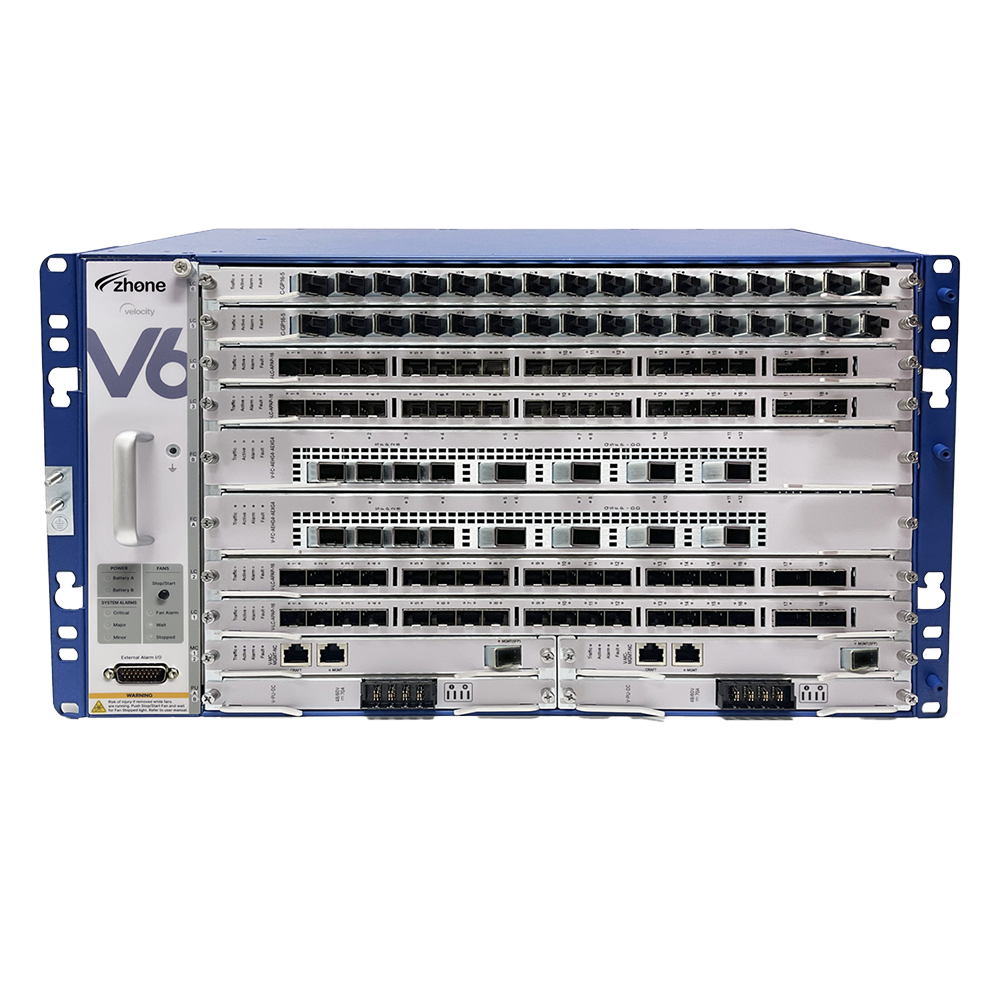
Orange supplied a useful test. In October 2023, DZS reported successful initial phases of a live Velocity pilot inside Orange Polska’s production network. Orange’s multi-vendor strategy created an opening. DZS described hardened systems and common card technology across chassis sizes, allowing operators to match equipment to different sites. A pilot demonstrated progress; it did not establish that every planned deployment had happened.
For an operator, this meant evaluating more than a line rate. A cabinet’s location, the installed fiber plant and the equipment already in service all shaped a purchase. DZS’s focus on hardened access and transport addressed that less tidy world. The appeal depended on the actual network: a flexible platform still needed to fit the operator’s architecture and operating practices.
The awkward business of being everyone’s partner
The same breadth created a complication. CloudCheck needed to work with equipment made by other companies. DZS also sold Wi-Fi devices and optical terminals with integrated Wi-Fi. A prospective hardware partner could therefore see two things across the table: useful software and a rival for its next equipment order.
CEO Charlie Vogt described that friction to Light Reading in October 2024. Other equipment makers were cooperative, he said, but had little incentive to promote a competitor. AXON Networks, without a competing customer-premises hardware business, offered a different home for the software. Technical compatibility had not settled the commercial question of whom a partner wanted to help.
Purchase price for the network-assurance and Wi-Fi management portfolio, subject to adjustments. Closed October 25, 2024.
The sale transferred CloudCheck, Expresse and TruSpeed to AXON for $34 million, subject to adjustments. It also sharpened the lesson other platform companies can copy: test whether partners benefit from recommending your product. Interoperability specifications cannot answer that question. A bundle can offer convenience to buyers while making distribution harder.
The numbers stopped adding up
DZS’s financial trouble was already visible. Its accounting restatement process reached back into 2022. When the company reported completion in August 2024, $17 million previously recorded as 2022 revenue was deferred out of that year. Management also pointed to operator inventory, slower capital spending and delays in broadband stimulus programs. Those were management’s explanations, rather than proof of a single cause.
The company had sought room to maneuver. In January 2024 it announced $25 million in financing: a $15 million three-year note and a $10 million equity placement. It divested its Asia business, bought NetComm and later sold the assurance software. These were different transactions with different purposes. Fresh financing and asset-sale proceeds could buy time; neither guaranteed a durable operating business.

On March 14, 2025, DZS and two U.S. subsidiaries filed for Chapter 7 and ceased substantially all operations. Their filing listed alternatives considered, including financing, restructuring and a going-concern sale. Liquidation followed. The sequence establishes that accounting trouble preceded the shutdown. It does not establish that the equipment stopped doing its job.
A new owner. An old name.
On May 1, 2025, a new Zhone Technologies acquired substantially all the U.S. assets, including technology, laboratories and certain customer and supplier contracts. The name carried history: predecessor Zhone had combined with DASAN Network Solutions in 2016. The new buyer brought Velocity, Saber, Helix and Xtreme forward. CloudCheck and its companion products had already taken the AXON route.
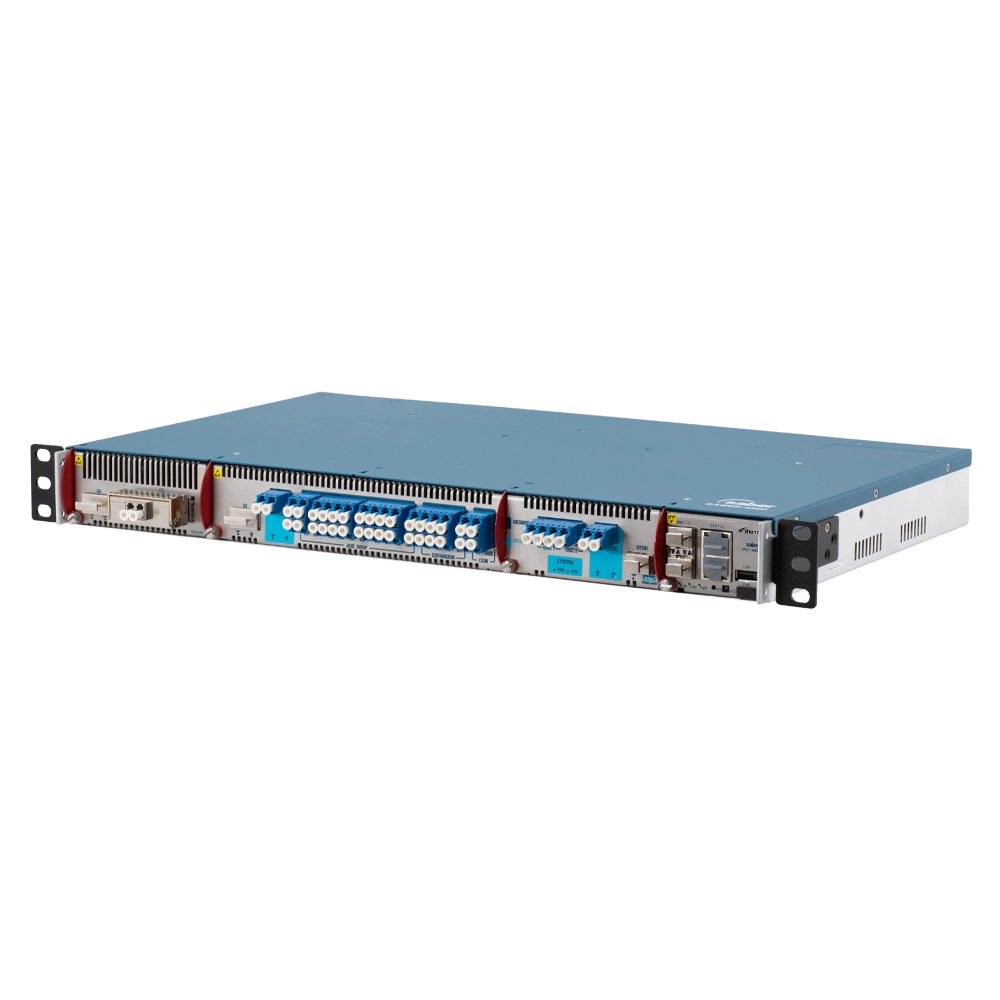
The continuation became concrete. In June 2026, Zhone reported a Vianet deployment, completed in 2025, that moved specified Northern Ontario routes from multiple 10G channels to multiple 100G channels. That is evidence of the platform’s use under its new owner, not evidence that DZS itself had resumed operations.
For a network buyer, the practical response is to ask two sets of questions. Can the system meet the site’s capacity, environmental and interoperability requirements? And who owns the software, supplies replacement parts and carries the support obligation? DZS’s history makes both worth asking before deployment. A product can survive a balance sheet. The customer still needs someone responsible for answering the next call.
The broader lesson is useful beyond telecom. When a business promises to unite several layers of a system, examine the relationships between those layers as carefully as the features. Customers may welcome a common supplier. Partners may prefer a neutral one. DZS had to manage both preferences while funding an equipment business through a difficult market.