The trouble in DSG’s published Phase 3 rescue story begins with missed timelines and awkward data capture. A sponsor had two global studies to manage and wanted to move the first away from its existing setup. Switching databases while a trial is running is a formidable way to spend an afternoon. DSG says it completed the migration within four weeks.
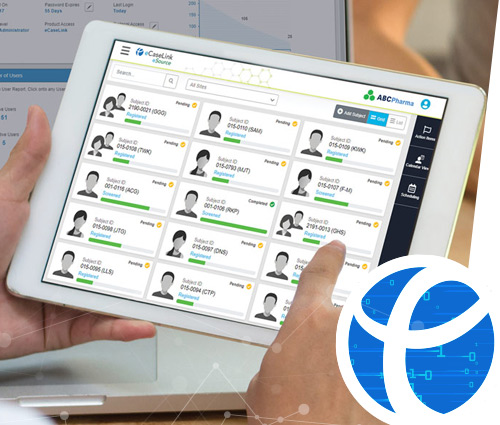
- DSG connects trial data, consent, questionnaires and drug-supply workflows through eCaseLink.
- It sells software alongside the people who configure and manage studies.
- Signant Health bought the company in July 2023.
A study that needed moving
The revealing part of the company’s rescue account comes after the move. Randomization expanded from eight to 32 stratifications while the original eight stayed intact. Across the two studies, teams handled ten protocol amendments. More than 85 sites were involved, including 30 in China.
DSG supplied project managers, data managers, biostatisticians and support staff together. It also reused work for the second study. Read as a business lesson, the case suggests that assigning responsibility for changes matters as much as choosing features. The reported outcome belongs to this particular engagement; it is a useful example rather than a delivery guarantee.
The form was the starting point
DSG traces its origins in 1992 to clinical case-report-form document software, before the internet became mainstream. A form seems a modest foundation for a technology company. Yet the form decides what a researcher records, how another person interprets it and whether an omission becomes visible. Bad paperwork has excellent endurance.
Today, eCaseLink EDC/DDC collects clinical data electronically and supports direct capture. Its field-level validation checks entries as users work. Query management gives teams a way to ask for corrections; reports and exports make the collected information available for review. These tools address the administrative distance between observing something and being able to use it.
The platform also accepts data from laboratories and other systems. That matters because a trial’s evidence rarely arrives through one doorway. A lab result, a questionnaire and a site’s record may describe the same participant in different ways. Integration work brings those streams into a shared environment, where study teams can inspect them together.
A hospital room is still a research site
During the pandemic, one pharmaceutical sponsor asked DSG to support a multisite Phase 2 study involving critically ill hospitalized COVID-19 patients. Its published account describes problems with paper consent, transcription into a database and on-site monitoring under restrictions. The sponsor wanted the modules accessible through one central login.
DSG combined source-data capture, patient reporting, randomization, electronic consent, telehealth and remote monitoring with data management. Participants and caregivers had electronic and remote consent options. The company reports implementation two weeks ahead of its proposed schedule. Here, “decentralized” meant adapting research workflows for a hospital, rather than simply sending everyone home.
The individual modules have distinct jobs. eConsent presents study information and records signatures. eCOA collects assessments. RTSM manages randomization and investigational-product supply. Their value is easiest to understand as a sequence of responsibilities, with each handoff requiring its own care.
- 01ConsentExplain and record
- 02CaptureCollect and check
- 03CoordinateAssign and supply
- 04ReviewQuery and export
Software with people attached
The customers are pharmaceutical, biotechnology and medical-device organizations, along with contract research organizations. DSG’s historical announcements name Supernus Pharmaceuticals and Orbus Therapeutics. Its website reports use across more than 400 companies, 25,000 sites and 93 countries. Those are company-reported reach figures, not a count of customers logging in today.
Its business offers two practical routes. A sponsor can hire DSG for study implementation and supporting services. Or a sponsor or CRO can license Designer, learn to build electronic forms and retain more control of configuration. Designer requires no prior database-programming or HTML knowledge. Training, reusable templates, support and upgrades accompany the technology-transfer offering.
The economic argument rests on reducing repeated work: reusable forms, fewer corrections and coordinated implementation. Buyers should distinguish software licensing from configuration, integrations and ongoing study services when scoping an engagement. A tidy screen is only one item in the purchase; the work behind that screen is another.
Recruitment adds a further handoff. DSG’s 2022 partnership with 1nHealth was designed to move prescreened leads into its enrollment tracker and connect recruitment with consent and participation. Finding someone interested in research and helping that person enter a study are different operational tasks.
What Signant saw
When Signant announced the acquisition on July 17, 2023, it cited site feedback on ease of use, operational efficiency, flexible study design and attentive service. The appeal was recognizable: an established data-capture capability that could extend Signant’s broader evidence-generation business.
“We believe DSG is the industry’s best kept secret.”Roger Smith, then Signant Health CEO · July 2023
Integration alone is not exclusive territory. Medidata Rave and Oracle Clinical One also offer connected clinical-data workflows. DSG’s useful distinction lies in the specific combination of configurable tools, technology transfer and study services. The comparison belongs at the level of the proposed trial, including who will handle its amendments.
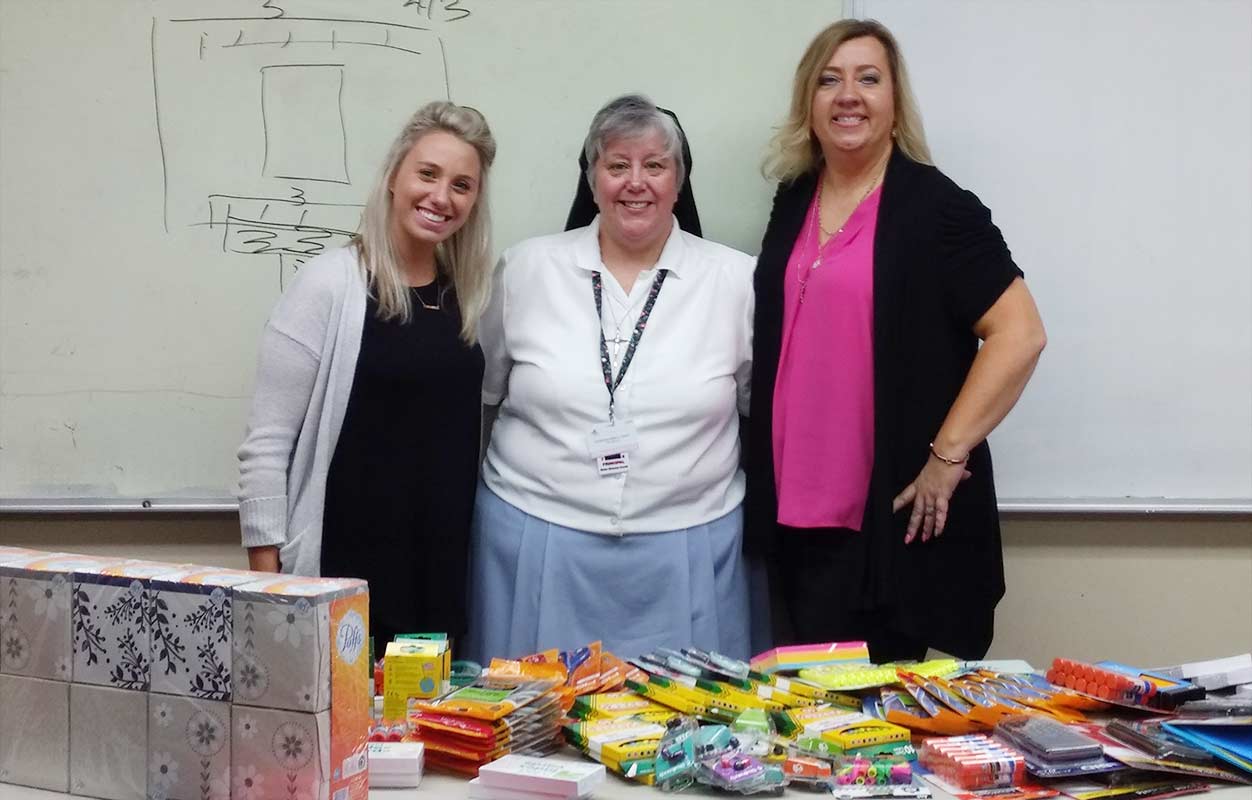
Founder Tony Varano also appears in DSG’s account of its community work. In a documented 2018 donation, school supplies went to Our Lady of Lourdes Regional School in Pennsylvania. DSG described employees contributing supplies and a broader relationship with Cradles to Crayons. It is a small, concrete glimpse of the company beyond its product pages: people accustomed to organizing clinical information arranging a table full of notebooks, pencils and classroom necessities.
A useful test before buying
The lesson to copy is straightforward: ask a vendor to demonstrate a change, not merely a launch. Bring a troublesome form, an external data feed and a plausible amendment. Follow the correction through the workflow. Ask which team owns the consequence.
Software checks cannot determine whether a research question is sound. Remote tools also depend on the study’s procedures and participants’ circumstances. DSG’s story is most useful where the problem is operational coordination: collecting the right entries, connecting the people responsible and keeping a changing study intelligible. Scientific ambition still needs someone to mind the forms.