A car salesperson has a peculiar problem. The customer is standing beside the car. The information needed to sell it is sitting somewhere else. At UkrAvto, Digicode’s account describes sales managers returning to workstations to check stock, financing and specifications. Each trip interrupted the conversation. The showroom had cars, customers and software. What it needed was a way to keep them together.
- Digicode builds custom software and connects existing business systems.
- Its work spans enterprise operations, mobile apps, AI and specialized products.
- The buying decision turns on workflow complexity, engineering capacity and budget.
Digicode built a tablet interface linked to the dealership’s existing systems. Salespeople could retrieve vehicle details, see customer history and generate documents while remaining on the floor. The interesting choice was to preserve the underlying infrastructure and change how employees reached it. A large software problem became a very human question: why does this person keep walking away?
01 / The business between the boxes
That question is a useful introduction to Digicode. Founded in Kyiv in 2008, the company moved its headquarters to Texas in 2016. It sells technology consulting and engineering: discovery, architecture, design, development, testing and support. Customers can commission a product, modernize an application or add specialists to an existing team. The output is usually something a business operates, rather than an app everyone downloads.
The company’s mission is to empower innovators. Its more revealing material is its project portfolio. A dealership, a manufacturer and a classroom have little in common as markets. They do share an awkward middle ground where existing tools fail to support the next useful action. Digicode occupies that middle ground, combining software development with the less glamorous work of integration.

02 / Eight weeks. One working scale.
Bosch’s HVAC project makes the proposition tangible. The manufacturer was developing a service offering for commercial heating, ventilation and air conditioning. Its specialists could concentrate on connected hardware. Digicode took responsibility for the mobile software technicians would carry. The deadline was unusually concrete: a trade-show presentation eight weeks away.
The application connected to Bluetooth refrigerant scales, recorded refrigerant usage and generated service reports. Technicians and customers could sign on the screen; the resulting PDF could be printed or emailed. Digicode says it delivered the core working functionality in time for the Chilliventa exhibition in Nuremberg, within budget. The division of labor mattered: hardware expertise stayed with Bosch while the software team handled its part.
From concept to core working functionality for Bosch’s exhibition deadline.Project duration reported by Digicode.
There is a lesson in the modesty of those features. A scale reading becomes useful when it reaches the job record. A job record becomes useful when someone can sign it and send it. The value travels through a chain of ordinary actions. A buyer can copy that thinking by defining the complete task before commissioning individual screens.
03 / The classroom started on paper
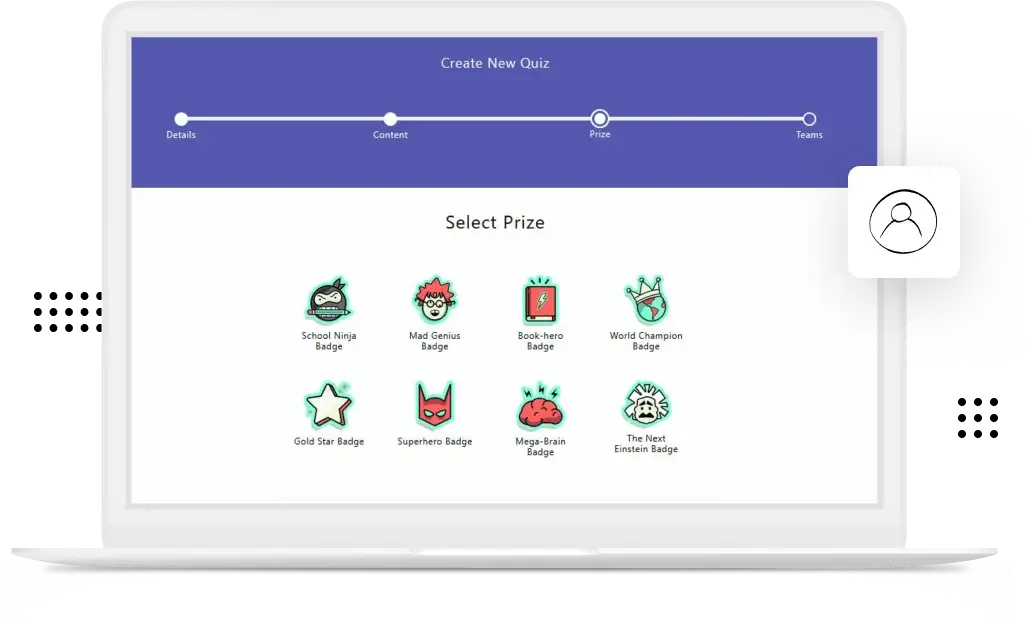
With Microsoft, the object was participation. Digicode’s case study describes Passit, a social quiz connected to Teams and Office 365. The team began with pencil wireframes, then worked through the user journey. Angular, Node.js and Azure supplied the technical machinery. The intent was to make studying collaborative and give teachers another way to collect feedback.
Digicode reports that 147 Australian schools were involved. That is a measure of reach, rather than proof of improved learning. Still, the sequence is instructive: sketch the interaction, understand the participants, then build. A technician holding a scale and a student answering a quiz both need software that respects the situation they are already in.
04 / Repeated problems become products
Some needs recur often enough to justify an offering of their own. Digicode’s Intelligent AP Document Processing uses document recognition and AI with Microsoft Dynamics 365 Business Central to process invoices. Its Omnichannel Integration Suite connects business systems through EDI, APIs and direct integrations. Both address the handoffs that otherwise leave employees copying, checking and chasing information.
or order
validate
system
result
The portfolio also takes unexpected turns. Smart Digital Farming applies IBM-based planning tools to agricultural budgets and forecasts. Thankee Jar turns appreciation into a shared digital jar; when it fills, a randomly selected giver can receive a reward. Its incentive is delightfully specific: notice somebody else. In iGaming, DigerRGS offers studios a contractual path to owning server source code and intellectual property.
05 / What the commitment buys
Those offerings sit beside a services business. Digicode advertises dedicated teams, staff augmentation, time-and-materials work and fixed-price projects. The distinctions affect who directs the engineers and who absorbs changes. Its Clutch profile lists a $50,000 minimum project size and a $50-$99 hourly range. Those figures describe a public listing, rather than a Bosch invoice or a binding proposal.
“What kept Digicode moving for 17 years was the discipline to evolve faster than the markets around us.”
Elkhan Shabanov / CEO, Americas / 2025
A prospective customer should bring a workflow, the systems it touches and a clear definition of completion. Fixed pricing depends on stable requirements. A dedicated team requires someone capable of setting priorities. Source-code ownership comes with maintenance responsibilities. Where a standard application already handles the work, custom development needs a stronger justification. These are practical limits to the buying model.
06 / Keep the conversation going
Digicode’s recent announcements suggest an appetite for continuing responsibility. It announced ISO 27001 certification in 2024, privacy certification under ISO 27701 in 2025, and a Swiss joint venture with HEX SWISS in January 2026. The venture emphasizes enterprise modernization and ongoing involvement. Such commitments matter when software becomes part of daily operations and someone must answer for it after launch.
The showroom offers a simple way to judge the result. Watch where the employee stops, switches systems or leaves to find an answer. Ask which interruption deserves engineering effort. Digicode’s case studies make that question concrete. Sometimes the useful innovation is an application. Sometimes it is the few steps the salesperson no longer has to take.