At a skincare counter, the problem sounds almost comically small. A customer wants advice. A member of staff needs to reach an expert. Somewhere, a tablet needs enough battery to finish the conversation. Put those details in a software brief and you have something more revealing than another promise to transform an industry.
- The work: custom apps, enterprise integrations, Salesforce and AI engineering.
- The evidence: specific assignments for Minimalist, Freshworks and CaratLane.
- The buyer’s question: which awkward handoff will this software fix?
A beauty counter is a software problem
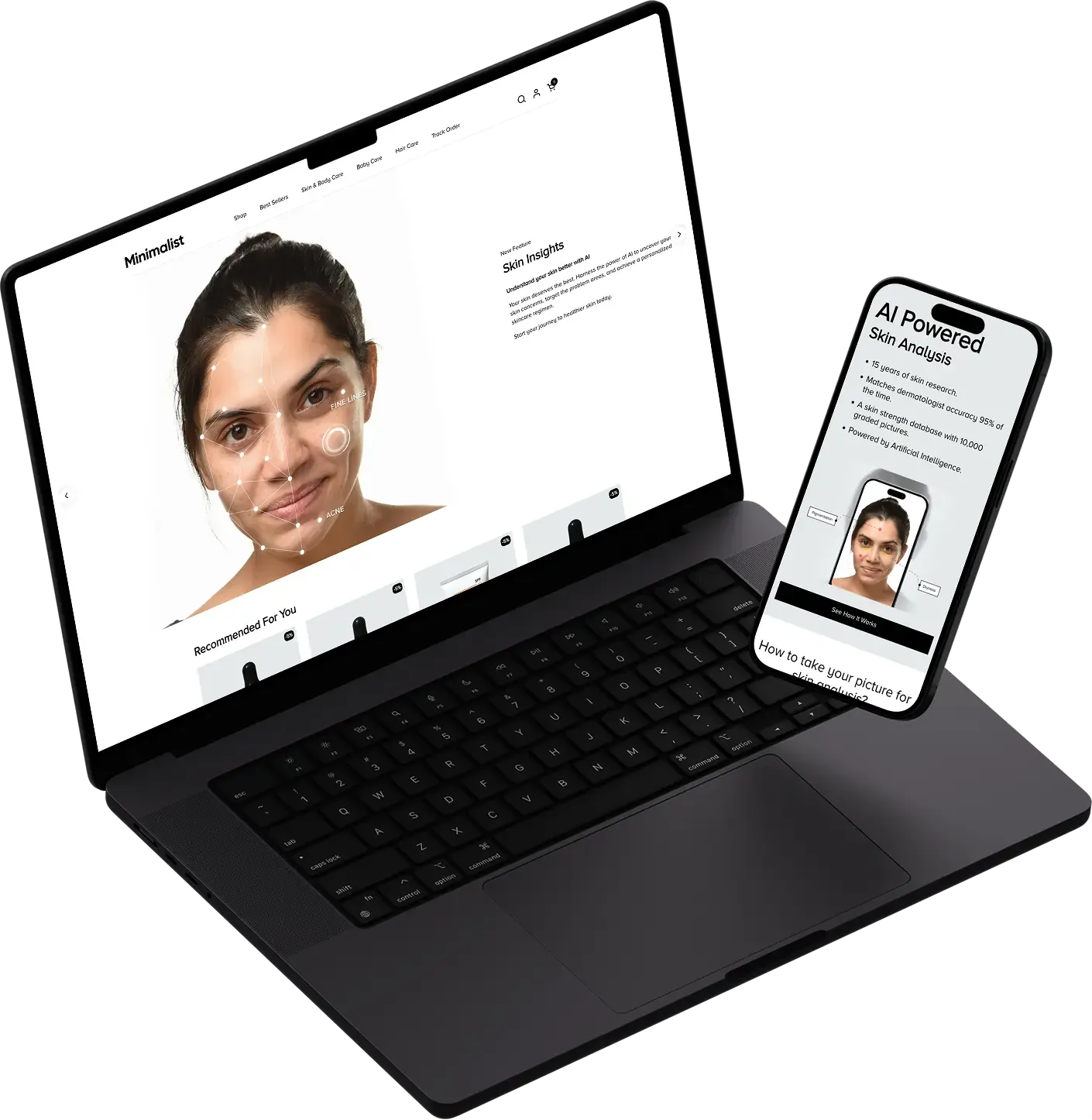
That is the appealing detail in DianApps’ work for Minimalist, the skincare brand. The assignment was an internal application for store teams. It brought together customer quizzes, Zoom consultations and a dashboard recording devices and their associated calls. Battery percentage and GPS were part of the brief. Glamour, meet fleet management.
Previously, the brand’s case study says, routine recommendations were available through its website, while multiple Zoom calls were difficult to track. DianApps describes moving that consultation into the store and giving the business a way to see what its tablets were doing. The useful unit of progress was a working consultation.
The project offers a compact introduction to the company. DianApps sells commissioned software and engineering services to businesses, from startups needing an initial product to established organizations with existing systems to connect. Its catalogue stretches across mobile applications, web development, design, cloud work and enterprise software. The interesting part is where those disciplines meet.
Keep the tickets moving
Consider the Freshworks assignment. DianApps’ account concerns the Freshdesk Salesforce application, a connector between support and customer-management systems. The original components were becoming difficult to extend. Inconsistent synchronization created mismatched data. Existing users still needed the features they already relied on.
For a developer, this is an awkward invitation: change the machinery while keeping the familiar behaviour. DianApps says it examined the old connector, documented its problems and checked the proposed replacement with the Freshworks team. It rebuilt using Salesforce Lightning Web Components and introduced real-time, two-way synchronization.
The deployment method matters as much as the framework. DianApps describes testing in a sandbox before moving the replacement into production. Its case study reports a transition without downtime. That is a company-reported result, but the sequence is useful: understand the existing system, preserve its necessary behaviour, then rehearse the change.
For a buyer, the lesson travels well. Ask a prospective partner to explain what your current process does before asking what its replacement will look like. A handsome interface cannot settle a disagreement between two databases. Somebody has to define which information moves, in which direction, and under which rules.
The order behind the ornament
CaratLane supplies another variation. The jewellery retailer’s project involved existing customer information, older APIs and a Ruby on Rails application that DianApps describes as difficult to manage. The company reports moving fulfilment work toward Nest.js microservices and contributing to Android architecture, cart and login changes, and a try-at-home module.
There was also a delivery-delay trigger, a detail that brings the discussion back to the customer’s doorstep. This was work inside an operating retail business. Preserving the old customer flow was a stated constraint. The project makes DianApps’ enterprise pitch tangible: improve parts of a running system without casually discarding its accumulated obligations.
“We are committed to helping organizations drive growth and improve customer satisfaction through their Salesforce investment.”
Vikash Soni / Salesforce services announcement, May 2023
The brief keeps getting bigger
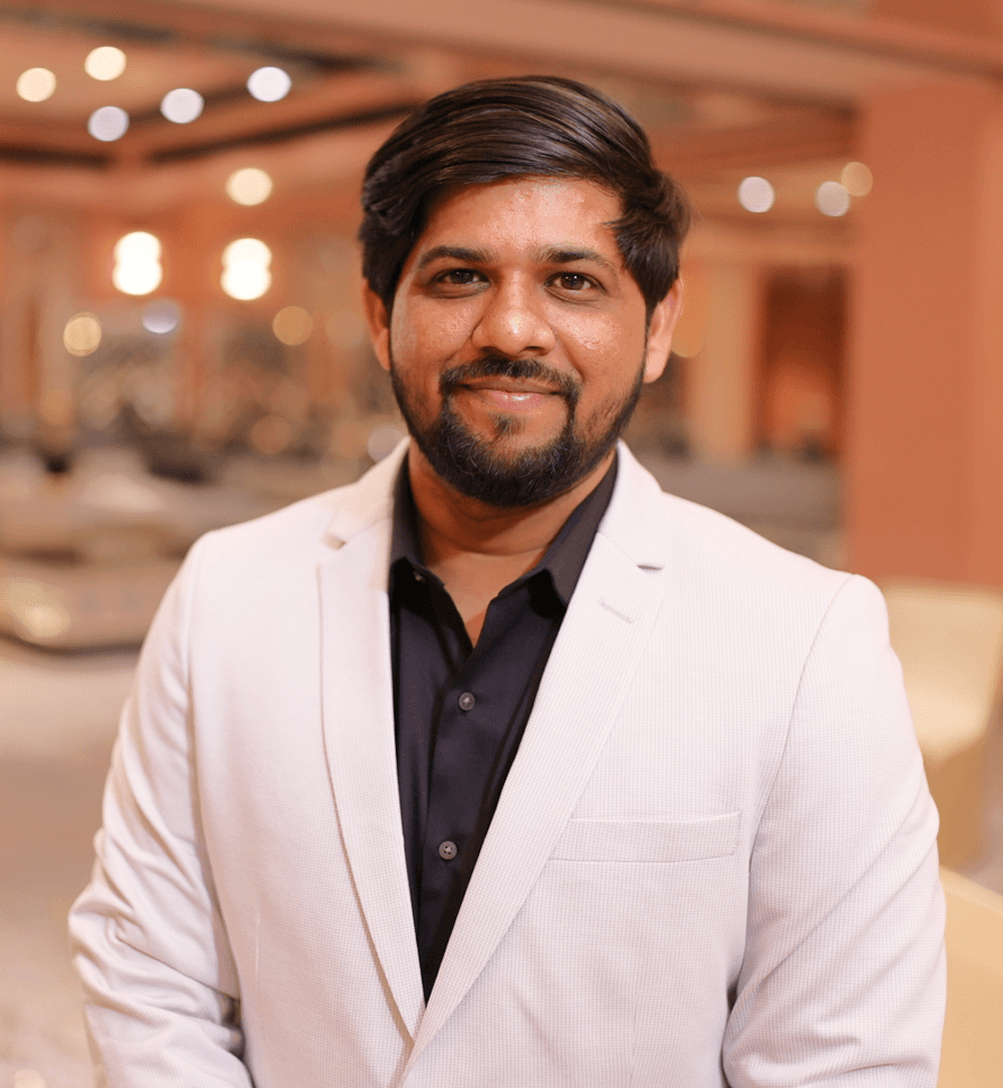
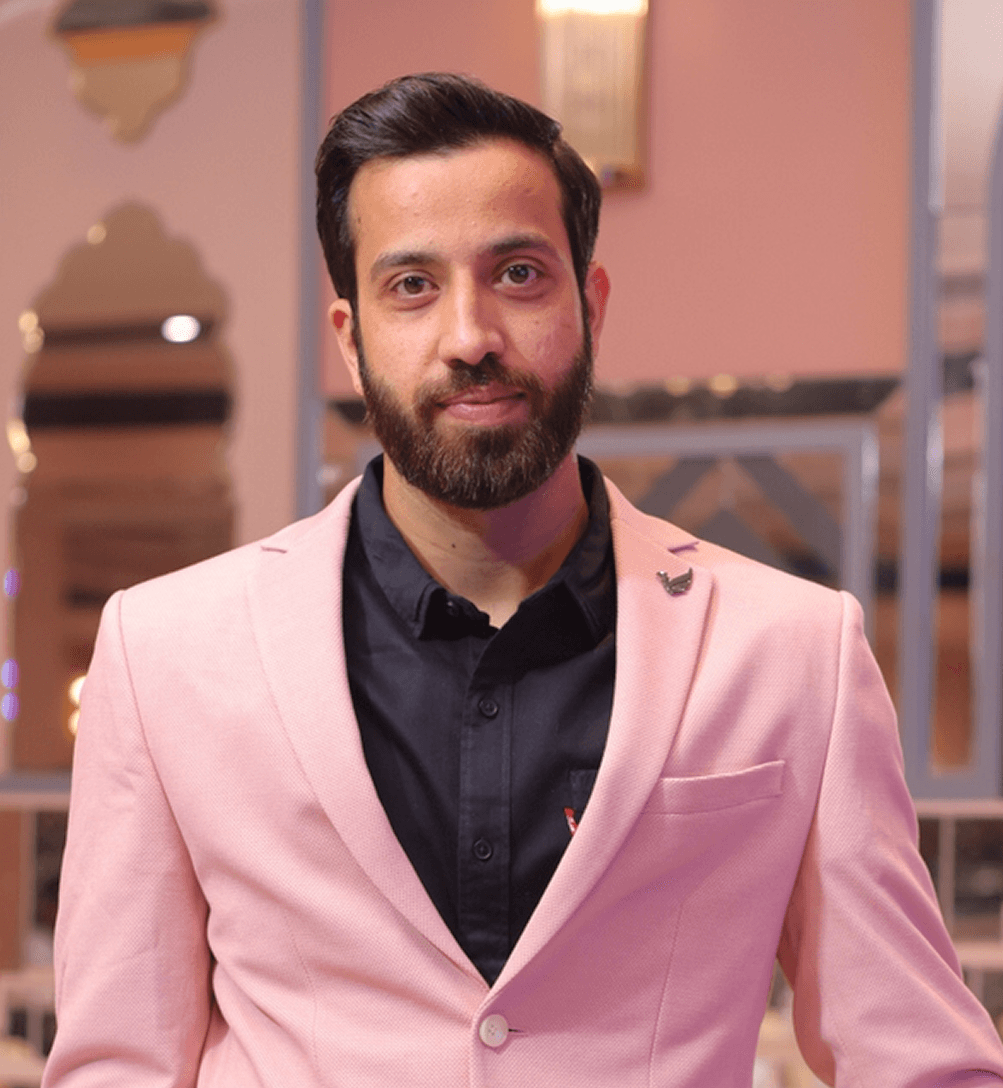
The founders, Parag Gupta and Vikash Soni, began with independent contracting, according to Gupta’s public anniversary account, before building a dedicated team. Legal records place incorporation in 2017; DianApps dates its six-person operating start in Gurgaon to 2018. The distinction is ordinary and worth keeping: a company can exist before its team does.
Its later expansion is easier to date. In May 2023, DianApps announced Salesforce consulting services, widening its remit into CRM implementation, customization, integration and migration. Its own history dates an AI-first direction to 2024. The public chronology shows an expanding service offer; it does not require a dramatic conversion story.
Today its AI offering includes agents, chatbots, generative applications and model integrations. Its published Orby project describes a Go backend and React frontend supporting enterprise automation. Notice the emphasis on infrastructure and interface. Even when an AI model supplies the intelligence, people still need a usable way to train, supervise and work with the system.
This places DianApps among software services firms competing on delivery breadth. A mobile studio, a Salesforce specialist or an internal engineering team could be an alternative, depending on the assignment. DianApps’ appeal is the possibility of carrying several connected pieces through one engagement. Whether that reduces coordination work is a question to test against a concrete scope.
Buy the handoff, then the code
The commercial model is fee-for-service. On Clutch, DianApps lists a minimum project size of $10,000 and hourly rates of $25–$49. Those are directory indications, not a price for the enterprise projects above. A buyer should separate initial development from migration, cloud operation and ongoing support before comparing proposals.
Listed minimum project size
Clutch’s review summary also records some onboarding delays and requests for clearer initial documentation, alongside praise for communication and deadlines. That makes the opening stages worth examining. Agree who owns requirements, what counts as acceptance, and how changes affect the budget. These are editorial buying lessons, not guarantees of a particular outcome.
Custom development makes sense when a specific workflow needs engineering attention and someone will maintain the result. If an existing product already does the job, commissioning another deserves scrutiny. The detail to copy from DianApps’ portfolio is its attention to the join: the consultation reaching the expert, the ticket reaching Salesforce, the order reaching fulfilment. Start there. Then discuss the app.