In a Datatrak case study, three clinical trials reached Japan with a small but consequential difference. One had translated the instructions for completing its electronic case report forms. The other two had not. According to the company, Japan’s Pharmaceuticals and Medical Devices Agency commended the prepared trial and required the sponsor to translate the missing guidance for its siblings. The software was only part of the system. Someone also had to explain how to use it.
Datatrak’s team and a local partner supplied those instructions in Kanji, alongside an in-country helpdesk. The sponsor and CRO remain unnamed in the account. Still, the detail is revealing: an electronic form can cross an ocean much faster than an organization’s working habits.
- Cloud software connects clinical data collection with trial operations.
- Sponsors, CROs, and sites can buy tools plus study support.
- The proposition: fewer handoffs, less reconciliation, clearer responsibility.
01 / Before the platform, the trial
Datatrak began in 1991 as a site management organization. Its founder, Jeffrey A. Green, came from clinical research; the company’s annual report describes his work directing more than 90 investigations at University Hospitals of Cleveland. In April 1999, Datatrak sold its clinical business and concentrated on electronic data capture, or EDC, and related services.
That origin helps explain its preoccupation with the journey of a record. A research site collects information. A monitor reviews it. A sponsor needs trustworthy results. Datatrak positioned software between these participants, where delays and errors could accumulate. Today’s brand, Datatrak, powered by Fountayn, carries that concern into a much broader cloud platform.
02 / Follow the record
EDC holds the trial’s electronic case report forms. Around it sit tools for randomization and trial supplies, known as RTSM; operational planning through CTMS; and the electronic trial master file, or eTMF, which organizes study documents. Electronic consent handles enrollment paperwork, while ePRO and eCOA collect patient reports and outcome assessments.
These jobs have different users, but they concern the same study. Datatrak argues that products sharing an underlying architecture can avoid the repeated copying and synchronization that separate systems require. Its competitive claim is architectural: fewer bridges to build and maintain. Buyers considering alternatives such as Medidata or Oracle should test that claim against their actual workflows.
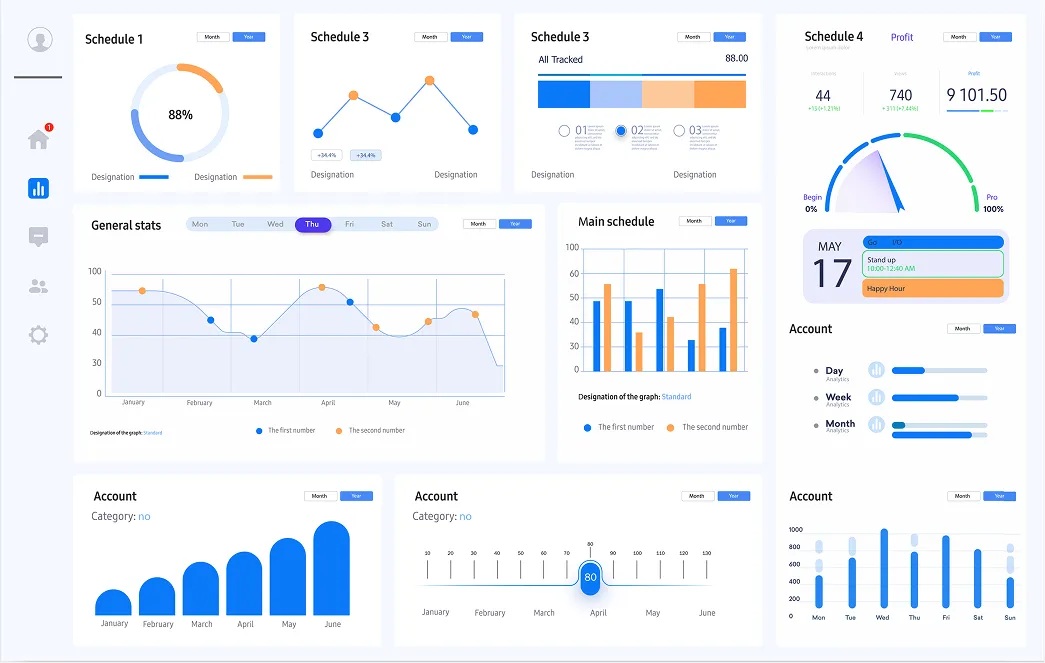
The offering also includes people. Trial designers translate a protocol into a configured study; data-management staff help clean records and organize workflows. Datatrak can train customers to build studies themselves. This puts it in the market for clinical research infrastructure and services, with pharmaceutical, biotech, device, academic, and CRO customers. Its website includes named testimonials from ClinCloud, Oculos, ILS Clinical Research, and Cardiovascular Clinical Sciences, giving the proposition a more concrete audience than an anonymous wall of pharmaceutical logos.
“We completed database lock on time”
Sandeep Saha, Cardiovascular Clinical Sciences
In a testimonial published by Datatrak
03 / The price of joining things up
Datatrak’s own expansion involved buying technology. In February 2006 it acquired ClickFind, a Texas clinical-trial software company, under negotiated terms of $18 million before specified adjustments. The accounting acquisition cost differed because of share valuation and expenses. That history makes the useful question especially concrete: how does the resulting software actually work together?
Capital followed. In August 2018, TabaFund announced an additional $8 million commitment to support sales and new technologies. A commitment describes promised financing; it does not establish how much was eventually drawn.
On the customer side, a November 2025 announcement described a CRO entering a $1.8 million contract covering eSource and several trial-management modules. That is a scoped enterprise agreement, not a menu price. The business combines cloud software with implementation and study services. A sensible comparison includes configuration, training, support, and amendments over the study’s life.
Datatrak describes adding a feedback-form answer option, testing it with the sponsor, and releasing it without study downtime. The example concerns a small change, not every protocol amendment.
04 / The checks became the problem
The records also need a history. Datatrak’s privacy policy describes audit controls, access logs, encryption, and safeguards for clinical information. Its marketing says the platform supports requirements including FDA 21 CFR Part 11. Those are software and process claims; they do not make every study using the platform automatically compliant. The study team still has work to do.
One eSource comparison supplies a useful complication. Datatrak reports time savings of up to 65% from direct electronic collection. Yet its first study programmed excessive edit checks. Staff found them cumbersome; the team switched unnecessary checks off. Subsequent studies narrowed the checks and clarified how monitors signaled that they had reviewed data.
Removing paper had changed the review process. The lesson is practical: define who enters, checks, and approves information before launching. Direct entry needs workable review procedures and trained sites. Otherwise, the paperwork problem simply changes its address.
05 / A smaller door into the system
Datatrak’s recent releases accommodate teams with existing software. In February 2026 it announced standalone eConsent, with a claimed deployment time under four weeks and connections to third-party systems. March brought enhanced ePRO/eCOA that patients can use on their own phones, tablets, or computers, with email and SMS reminders.
That modular approach matters. A sponsor may need digital consent without replacing its EDC. Datatrak can sell a narrower starting point while offering the wider suite when needed. The fit depends on the study, its existing infrastructure, and the cost of connecting everything. A team already committed to specialist systems may gain less from moving everything under one vendor. Consolidation also concentrates responsibility: support, exports, access controls, and the eventual exit need attention alongside the promised convenience. These are buying considerations, rather than findings of a defect in Datatrak.

Also in March, Datatrak announced that collaboration and a strategic investment in TAILRD Heart. The plan connects cardiovascular analytics and patient identification with trial infrastructure. It is an announced direction, rather than evidence of improved clinical outcomes.
For a prospective customer, the most revealing demonstration would follow one record through consent, collection, review, and an amendment. Ask who fixes a failed handoff and what that work costs. Datatrak’s Japanese translation story offers a useful standard: judge the system by whether the next person can do their job.