Darren Lee began freelancing as a music producer in his junior year of college. He went on to sign with Universal and spent almost a year specialising in K-pop. Consulting had not featured in his plans. Then the business surrounding the songs started to interest him: album launches, marketing campaigns, the choices that determine whether a piece of work reaches its audience. The next professional chapter opened through the work around the music.
By April 2026, Lee was announcing a rather different role: the first Agent Development Strategist based in Singapore on Sierra’s founding APAC team. Between those two chapters came BCG and the construction of an AI agent platform. The sequence makes an appealingly untidy career. It also puts a practical question in view. Once you have made something, how do you get it into the world in a form that works?
A recording, a consulting recommendation and a customer-facing AI agent have different audiences and different standards. They all encounter the awkward moment when the maker has to stop admiring the possibility and deal with the result. Lee’s account of his career keeps returning to that moment. His professional interests have widened; the work still has to leave the room.
The business hiding beside the music
In May 2024, Lee described his move from Universal music production into BCG consulting. His explanation was modestly specific. He had discovered that he enjoyed the analytical side of the music business while working on launches and campaigns. He also said he continued producing music after joining BCG. The career change came with a carry-on bag.
That detail makes the story more interesting than a clean break would. Professional biographies often arrive with a useful editing trick: the earlier occupation becomes a prologue, and the current one becomes the inevitable destination. Lee’s own account allows the occupations to overlap. A person can be interested in business decisions and still have a track to finish.
There is a practical argument here for anyone contemplating a change of field. Experience does not need to resemble the next job description word for word to matter. A production project has people, deadlines and an audience. A commercial project does too. The resemblance does not make the skills interchangeable, but it gives a learner somewhere to begin. Starting again rarely means starting empty.
Lee’s education adds another turn. He holds a degree in Politics, Philosophy and Economics from Yale-NUS College. Those are subjects concerned with institutions, decisions and incentives. Their presence in an AI career is a reminder that a technical product eventually enters a human arrangement: a company with rules, employees with responsibilities, customers with expectations. Someone has to understand the arrangement as well as the product.
A student leader before an agent strategist
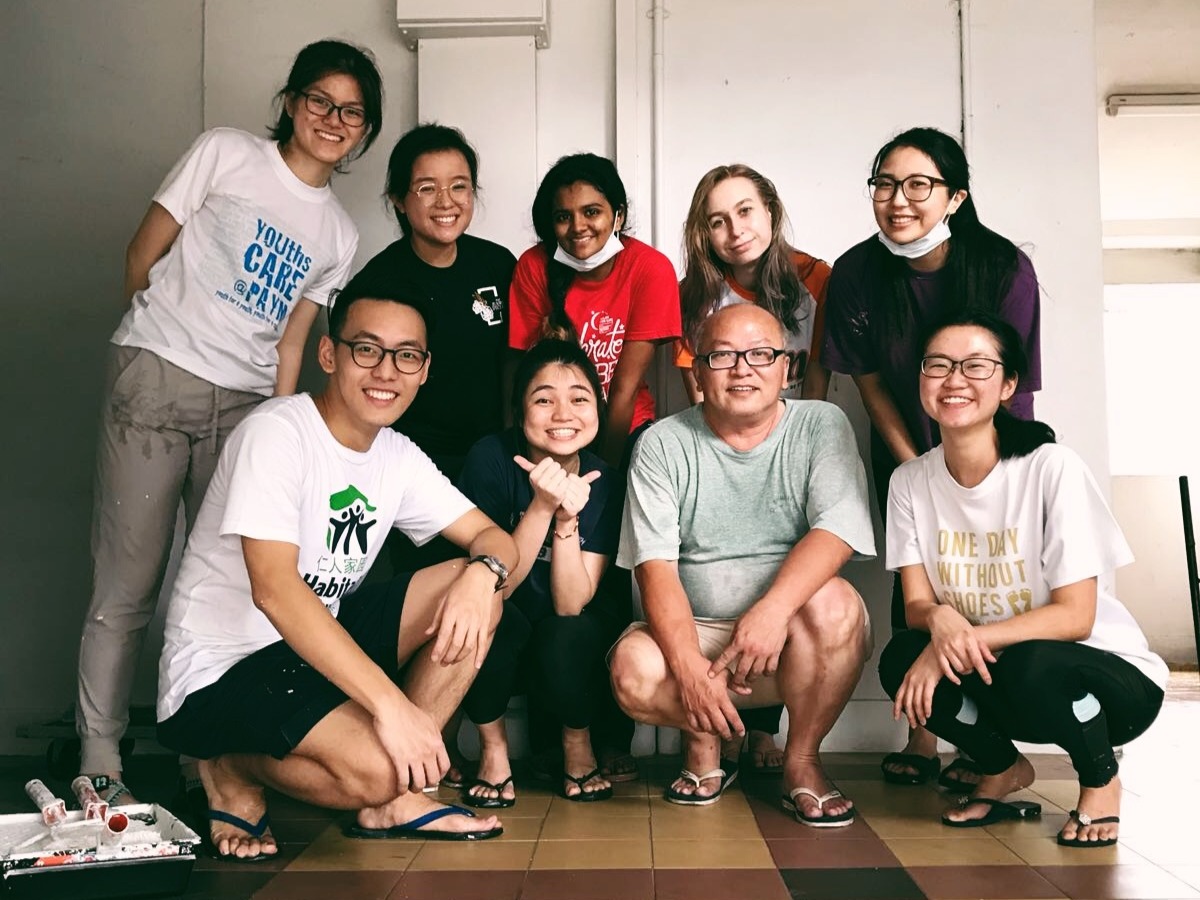
At Yale-NUS, Lee was recognised as Student Organisation Leader of the Year in 2018. The same year’s Kingfisher Awards recognised the college’s Habitat for Humanity Campus Chapter for its Project Homeworks programme. These are small, concrete markers of a college life spent organising as well as studying. Leadership, in that setting, came with a programme attached.
Academic recognition followed. The Global Undergraduate Awards’ 2020 Highly Commended list includes Lee in Economics and Politics & International Relations. An undergraduate award cannot explain an entire career, and it should not be asked to. It does establish that his interest in those subjects had substance before AI deployment became his public focus.
There is a temptation to convert every early achievement into evidence of a future profession. Resist it. A student organisation award is valuable on its own terms. So is an economics paper. The more revealing thing about Lee’s record is the range of activity it preserves. Music, academic work and student leadership appear together, without needing to audition for the same job.
A résumé rewards compression. It puts a whole year into a line and a whole project into a verb. A personal story benefits from slowing that compression down. The student who organises a programme is learning something different from the student who submits a paper, even when both students happen to be Darren Lee. The later career has room for both.
A song with another job to do
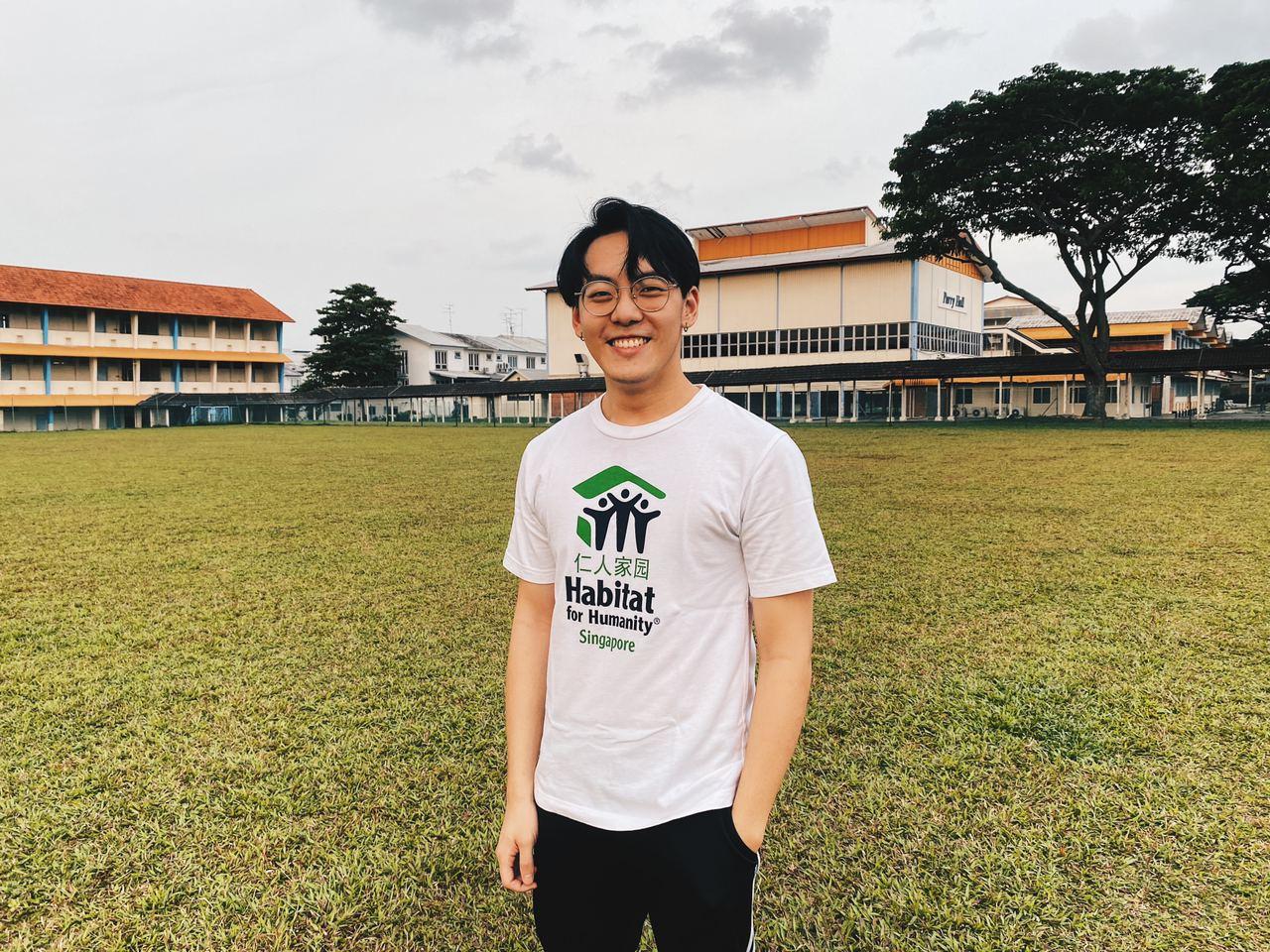
Lee also served as president of Habitat Singapore’s Yale-NUS Campus Chapter. After his term ended, he continued volunteering and mentoring younger leaders. By September 2020, he was working with local artists on a song called “Used To This”, inspired by Project HomeWorks. He wanted to engage young people with the organisation’s work through music they would recognise.
The project had a clear brief: connect an audience to a cause, with dignity at the centre. That is enough to make it distinctive without borrowing a tidy moral from it. A song can be a professional product, a personal expression or a way of inviting people into an issue. Here, Lee was giving his production skills another job.
Volunteer work and enterprise software should not be squeezed into a single lesson. They have different purposes. But this part of his life is worth keeping in the portrait because it shows a choice about where to put his abilities. A title had ended. The involvement continued. For a biography otherwise full of changing roles, that continuity matters.
GENie, and the work after the promise
When Lee announced his departure from BCG in March 2026, he said he had spent three years there and had built the firm’s AI agent platform from its beginnings. His later speaker biography identifies the platform as GENie and places the work within BCG’s technology, media and telecommunications practice. It describes deployments across dozens of enterprises and millions of customers.
Lee’s own reflection put the emphasis on deployment. He had personally led enterprise implementations around the world. The point he wanted to carry into his next chapter was the distance between a capable AI model and value for a business. He called the work of closing that distance deployment strategy, or development strategy, and said he planned to write more about it.
“I think there’s a big gap between a great AI model and real business value.”
Darren Lee, March 2026
The distinction is useful because a model and a service face different tests. A model can produce a convincing answer. A service must also fit the task, the company’s systems and the expectations of the person using it. An elegant answer to the wrong question is still an inconvenience. Customers generally prefer their inconvenience without a demonstration attached.
This is an interpretation of the problem Lee describes, rather than a claim about a particular client project: deployment makes the context unavoidable. The technology has to meet the organisation where the work happens. That requires choices about what the agent should do, what information it needs and when a person should take over. Each choice gives the impressive idea a little more weight.
There is also a change of scale in this chapter. Music reaches listeners; an enterprise agent operates within a service that other people rely on. Lee’s public account centres on that responsibility to make a system run. The platform’s reported reach supplies context, but the more revealing achievement is the move from building a capability to putting it to use.
Singapore becomes the next working base
Sierra announced its Singapore office in November 2025 as a regional headquarters for Southeast Asia. Co-founder Clay Bavor described an earlier conversation with Grab chief executive Anthony Tan as pivotal in directing the company towards customer support. The local connection preceded the office. Singapore was part of the company’s story before it became part of its map.
Lee’s joining announcement came on April 1, 2026. He described the Agent Development Strategist role as balancing commercial and technical work. He also pointed prospective colleagues towards openings for strategists and agent development engineers. The announcement was both a personal update and an invitation to help build the regional team.
The phrase founding APAC team describes a particular stage of that regional operation. Sierra itself was founded by Bret Taylor and Clay Bavor. Lee’s role is in developing agents with enterprises, within the company’s expansion into Asia-Pacific. Keeping that distinction clear makes his actual work easier to see.
- 2018Student leadershipYale-NUS organisation leader award
- 2020Music & communityGraduation and Habitat music project
- MAR 2026BCG chapter closesReflects on building and deploying agents
- APR 2026Sierra in SingaporeAnnounces founding APAC team role
Sierra’s own approach to training helps explain the environment around such a role. Its three-day Sierra University programme brings customer experience, operations and engineering people together. Participants work through agent behaviour, system connections and simulated testing before deployment. The sequence has a pleasing lack of mystery: decide what the thing should do, connect it, then see whether it behaves.
For someone interested in the gap between AI and business outcomes, this is fertile working territory. The commercial and technical sides cannot simply pass a document across a table and hope the other side understands. They need a shared account of the task. The product is only as useful as that account allows it to be.
A practitioner takes the conversation outside
By June 2026, Lee was listed among the speakers at TheFirst Spark, an AI event in Singapore organised by January Capital and Wavesparks. His biography placed him at the intersection of AI, strategy and deployment. The New GTM also listed him for an enterprise AI transformation panel scheduled for June 29, with practical deployment experience as his contribution.
The panel announcement emphasised patterns from more than ten enterprise AI deployments, along with failure modes and lessons. It placed Lee alongside operators from Standard Chartered, Dyson and Forrester. That is a useful setting for the subject: people bringing experience from different organisations to the same practical question, with no reason to expect a single answer.
The outward-facing part of his work now follows the interest he expressed when leaving BCG. He wanted to share what he had learned about deployment. The event listings show where that conversation was being offered, rather than inviting guesses about everything he might do next.
Lee’s career can be read through its changes of vocabulary: producer, consultant, strategist. It can also be read through the recurring act of making something usable by someone else. That reading does not require music to become a secret preparation for AI. It simply leaves both chapters intact. There is a song in the earlier one, and an enterprise agent in the current one. Each has an audience waiting on the other side.