A mortgage begins with a hopeful question: can I buy this house? Inside a bank, that question becomes several different jobs. Someone must capture the application, process the loan, prepare the documents and keep the records straight. D+H U.S. Operation sold software for those jobs. Follow the application through the institution, and the acquisitions begin to make sense.
- Customers: banks, credit unions and mortgage lenders.
- The offer: lending, compliance, core banking and managed IT.
- The turning point: Harland’s US$1.2 billion sale in 2013.
- The destination: Finastra, formed in June 2017.
01 / Buy the missing pieces
D+H’s American business was assembled. In 2011, the Canadian parent agreed to buy Wisconsin-based Mortgagebot for US$231.8 million. Mortgagebot supplied web-based mortgage origination technology to nearly 1,000 banks and credit unions. It served customers through long-term contracts. The attraction was a useful combination: software tied to a consequential transaction, bought by institutions with an ongoing need.
Avista Solutions followed in 2012 for US$40 million, adding mortgage loan origination software delivered as a service. D+H merged Avista into Mortgagebot at year-end. Compushare added another layer: technology management and cloud infrastructure for financial institutions. These were adjacent purchases. An application system answers one problem; keeping the institution’s technology running answers another.
Then came Harland Financial Solutions. The US$1.2 billion transaction, completed in August 2013, brought lending compliance, core banking and 5,400 U.S. bank and credit union customers. D+H was buying a larger place inside the bank. At a client conference that month, CEO Gerrard Schmid described the fit: “Product overlap is almost nonexistent.”
“Product overlap is almost nonexistent.”
Gerrard Schmid, D+H CEO · August 2013
02 / Follow the loan, not the logo
The product names explain the division of labor. Mortgagebot’s point-of-sale tools handled the borrower-facing application. MortgagebotLOS supported origination and processing. LaserPro handled compliant loan origination, processing and document preparation across mortgage, consumer and commercial lending. In April 2016, D+H added Commercial Origination & Processing functionality to LaserPro, explicitly targeting preparation time and manual work.
Elsewhere in the institution, PhoenixEFE supported core banking activities such as deposits, payments and loan management. UltraData Enterprise served credit unions. Atomic Credit Union selected UltraData in 2014 alongside internet and mobile banking, bill pay, remote deposit capture, analytics and loan servicing products. The selection illustrates D+H’s commercial logic: one institutional relationship could support several useful purchases.
For a community bank, that breadth offered access to specialist software without building each capability internally. D+H occupied the institutional plumbing market alongside alternatives such as Fiserv, FIS and Jack Henry. Its particular proposition combined banking systems with lending and compliance expertise. The relevant comparison depended on the job being purchased; a mortgage platform and a core processor solve different problems.
The difference matters when comparing proposals. A bank shopping for a borrower application should examine the processing steps that follow it. A credit union replacing its core system faces a wider operational decision. D+H could participate in both conversations, but the portfolio alone did not settle which combination suited a particular institution.
03 / A new badge cannot connect two systems
In January 2014, D+H announced that Harland Financial Solutions, Mortgagebot and Compushare would operate under one corporate brand. Existing product names would remain. The distinction was practical. Customers could recognize the tools they used while learning that the same supplier now offered more of them.
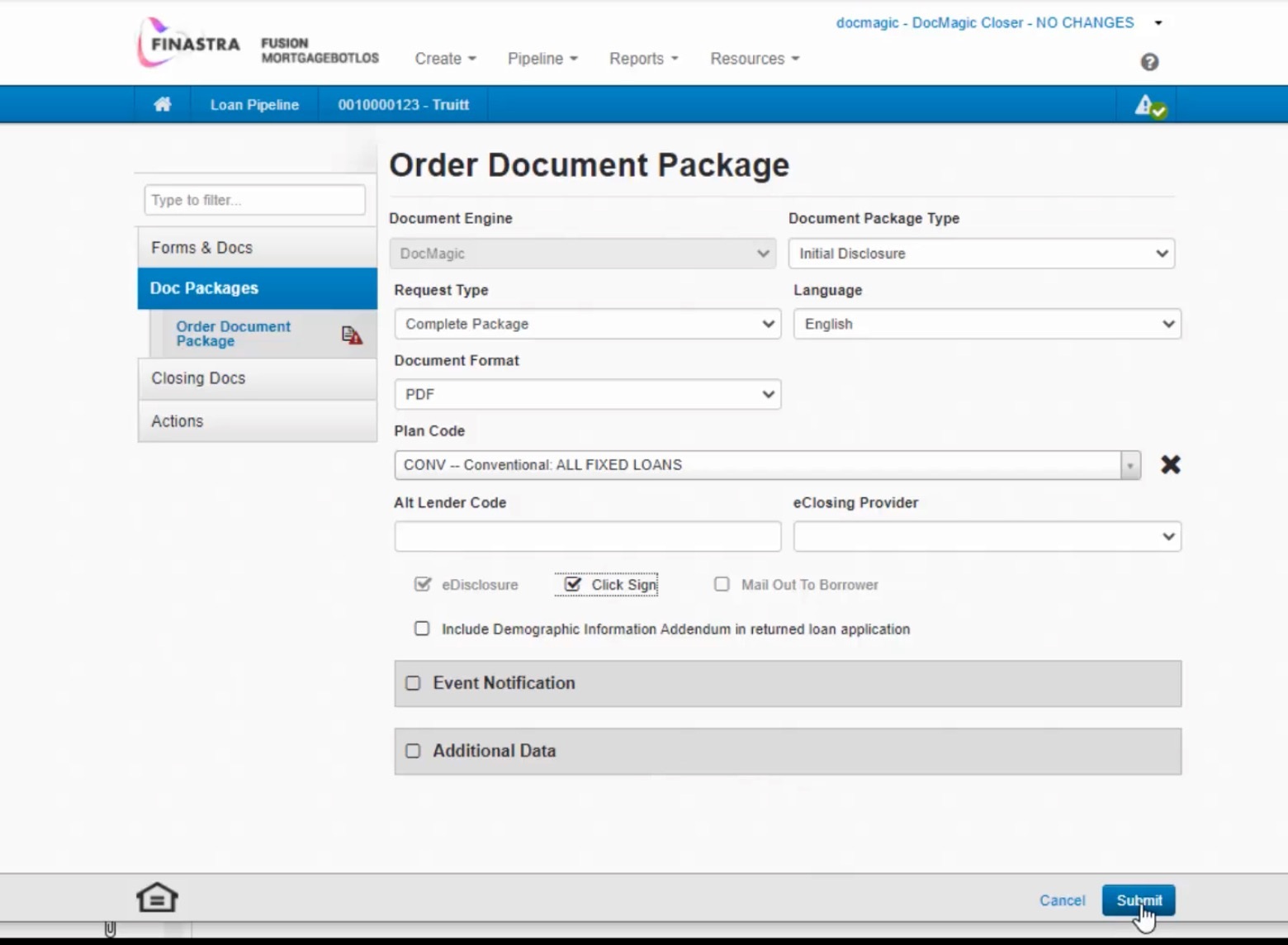
But a common name does not move data. In December 2014, D+H announced an agreement to integrate Optimal Blue’s mortgage pricing, eligibility and secondary marketing services with MortgagebotLOS. Lenders would access those functions without leaving the origination environment. In October 2015, it announced finalized Optimal Blue and DocMagic integrations, alongside its Barometer compliance preparation platform. The portfolio needed connections as well as ownership.
04 / The customer buys a working Tuesday
Northwest Federal Credit Union provides a specific example. A June 2016 D+H-sponsored case study described its deployment of MortgagebotPOS, MortgagebotLOS and LaserPro. The credit union also used D+H training and support to prepare for the TRID mortgage disclosure rules. The report credited the integrated deployment with reducing mortgage time-to-close by more than 30 percent.
That is one customer’s reported result in sponsored material, rather than a universal performance promise. Still, the detail is revealing. The purchase included software, configuration help, education and regulatory preparation. For the institution, the useful outcome was an operation that could continue lending while meeting its obligations. The software’s value depended partly on people knowing how to use it.
This is also where the business becomes harder to describe with a feature checklist. A disclosure rule can change the work around a familiar screen. The institution needs the documents, the process and the people to be ready together. D+H’s compliance products and education services addressed different parts of that same requirement.
05 / Recurring does not mean effortless
Harland’s appeal included its revenue structure: 80 percent of its 2012 revenue was recurring. Licenses, maintenance, hosted services and implementation work gave this kind of business several ways to earn money. The acquisition prices measured what D+H paid for companies; they were not the price a bank paid for software.
The model still had friction. D+H’s 2016 results attributed lower lending revenue partly to LaserPro’s renewal cycle. At group level, management also reported slower customer decisions in global transaction banking and savings from its operating realignment arriving later than expected. In its third-quarter outlook, it emphasized existing products, cross-selling, operating effectiveness and reducing leverage. An expanding portfolio still had to produce dependable operating results.
The earlier vulnerability was in the parent’s traditional business. D+H had evolved from cheque manufacturing into financial technology; its 2016 outlook still anticipated declining Canadian cheque volumes. Software acquisitions offered a route into other banking activities. The later operating pressures show why changing the revenue mix and integrating a larger company were separate tasks.
06 / The name leaves. The work stays.
In 2017, Vista agreed to acquire parent DH Corporation at an enterprise value of approximately C$4.8 billion, including debt. D+H and Misys combined in June as Finastra. Mortgagebot survived the corporate transition; in March 2026, the Finastra product received a FinTech Breakthrough award.
The practical lesson, as an interpretation of this history, is to map the handoffs before expanding the product list. Buy or build capabilities that remove specific work for the same customer. Test them together, and budget for training. The approach loses its appeal when integrations merely shift effort elsewhere, or when migration and support demands outweigh the benefits. A bank needs the application to reach the right destination, whatever name appears on the software.