There is a particular kind of meeting that every communications executive knows. The consumer people arrive with the joke. The health people arrive with the footnotes. Someone from legal asks whether the joke can be footnoted. Then everybody spends forty minutes deciding who owns slide seven.
Current Group exists because those people increasingly belong in the same meeting. Formed in June 2024 inside The Weber Shandwick Collective, the group put two established agencies under one chief executive: Current Global, a consumer and culture shop, and dna Communications, a specialist in health and science. Mike Rosich, who had joined dna in 2020 and risen to global president, became CEO.
The predictable move would have been to melt the names together, print new business cards and announce a seamless agency capable of everything. Current Group did the more interesting thing. It kept both names. It kept both specialties. The promise was not that every client would get everybody. It was that the boundary would become easier to cross.
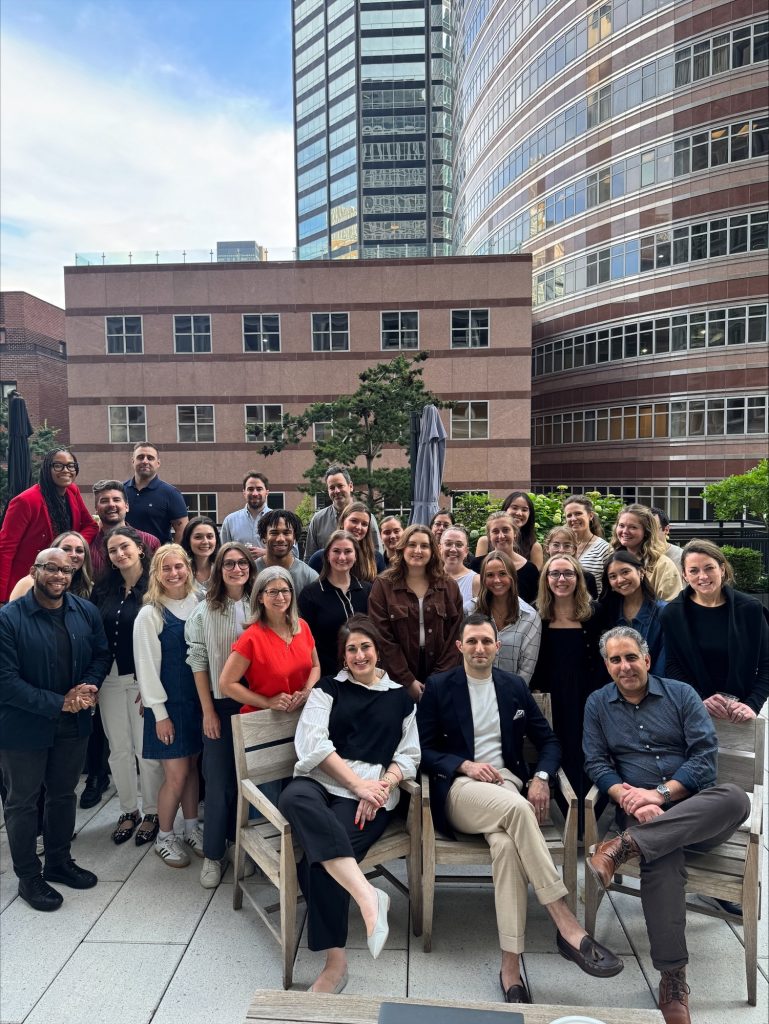
A merger with the middle left intact
The group sells the familiar materials of modern public relations: brand and communications strategy, campaign development, earned media, corporate reputation, social, influencer work, cultural intelligence and executive coaching. But its structure makes the menu more legible. Current Global is built to find the cultural opening. dna is built to translate complicated science without sanding off the truth.
Culture, consumer brands, creative campaigns, earned attention and corporate reputation.
Science, health, biotech, pharma, patient insight and medical communications.
CurrentWell is the cleanest expression of the model. Launched during the group’s 2025 restructuring, it joins dna’s scientific fluency with Current Global’s instinct for everyday culture. Its premise is that a person buying a sleep tracker, considering a vaccine or managing a chronic condition does not divide life into “healthcare” and “consumer.” Agencies often do. CurrentWell is meant to remove that organizational fiction.
“We’re still operating as two distinct agency brands but interconnected so we can pull resources and deliver more value across-the-board.”Mike Rosich, CEO
The work is serious. The objects are occasionally absurd
Consider a diamond made from ranch dressing. Current Global helped Hidden Valley Ranch turn a condiment into a laboratory-grown stone, auction it for charity and collect a reported 415 million impressions. For Fresh Step, the agency placed real adoptable cats inside the video game Stray; the campaign was credited with a 124 percent spike in adoptions. Heinz Ketchup Insurance invited customers in the UAE and Saudi Arabia to claim compensation for ketchup mishaps. More than 3,000 did.
These are jokes with distribution systems attached. They work because each can be repeated in one sentence. A ranch diamond. Cats inside Stray. Insurance for ketchup stains. The object carries the pitch.
dna operates where one-sentence simplicity is harder won. It works with health startups, biotechs and global pharmaceutical companies, translating data and disease into stories for patients, clinicians, policymakers and investors. Its recognition includes MM+M’s 2023 Small Healthcare Agency of the Year and 2024 workplace honors. The technical competence is not decorative. A funny idea can survive a loose adjective; a scientific claim may not.
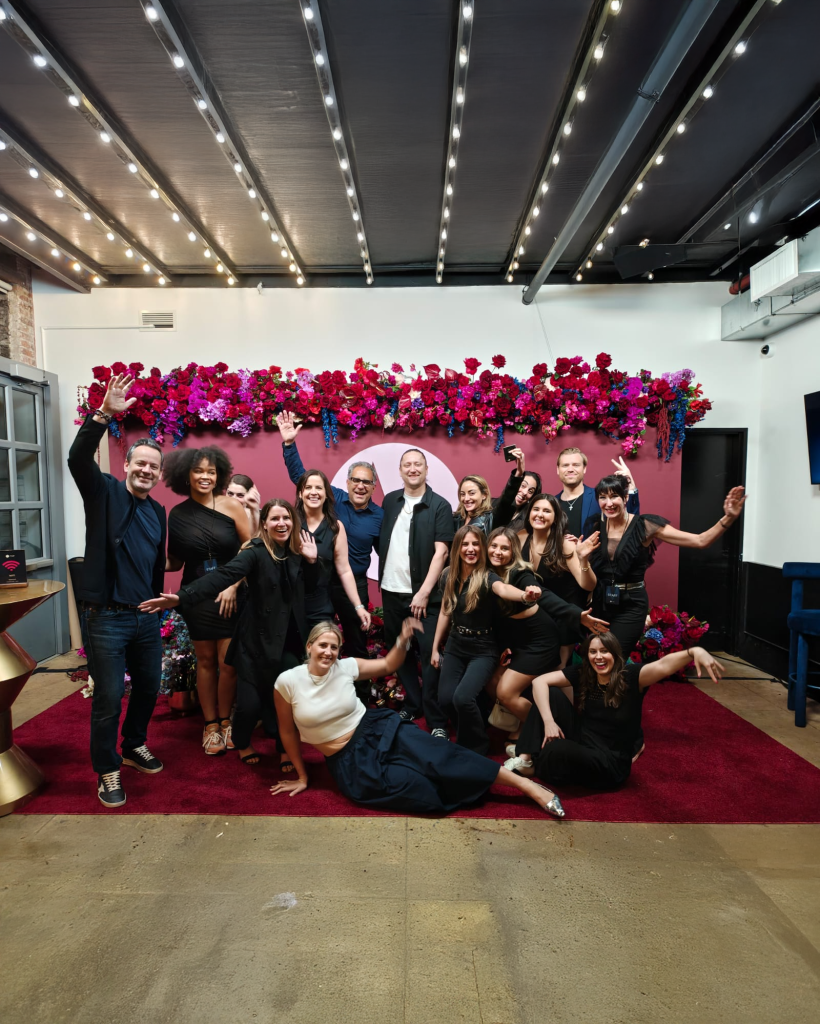
What did the new group actually buy?
There was no startup funding round and no announced acquisition price. Current Group was an internal regrouping of agencies already housed in the same communications network. Contemporary reporting said the launch would produce no layoffs.
The expense was organizational: shared leadership, new positioning and the daily work of getting two expert cultures to collaborate without converting either into a service department for the other.
That last cost is easy to underestimate. In 2025, the group restructured again. It installed a leadership team drawn from both agencies, moved Current Global’s North American and UK health staff into dna, and added CurrentWell plus a media and presentation coaching offer. The launch had created the roof. The restructuring decided where the plumbing went.
What changed the logic was not a public crisis or a failed acquisition. It was the brief. Consumer health had become a category in which clinical facts, wellness habits, culture and commerce arrive bundled together. Meanwhile, corporate reputation work required more specialized voices, not fewer. The old agency boundary was the first thing to stop making sense.
The useful part is smaller than the org chart
A company does not need two agencies and a global parent to copy the method. It needs two adjacent kinds of expertise and a recurring problem that falls between them.
Name the seam. CurrentWell is easier to buy than “better cross-functional collaboration.” Turn the boundary into a clear offer.
Preserve specialist status. Shared operations can help; forced sameness can remove the reason a client wanted the specialist.
Let the brief assemble the team. Integration is useful when it reduces handoffs, not when it fills a capability slide.
Measure behavior, not adjectives. Claims filed, cats adopted and stores outperformed are more persuasive than “engagement.”
The model has conditions. It works when the specialties are genuinely different, the client problem repeatedly crosses both, and leadership can decide who owns the work. It becomes expensive theater when every assignment triggers two chains of command, when collaboration exists mainly for pitches, or when the shared layer blurs accountability. Two boats tied together can cross a river. They can also spend all day bumping into each other.
Current Group’s market position sits between a standalone specialist and a giant integrated network. It offers the familiarity of named boutiques with access to broader scale. Competitors from Edelman and Burson to Golin, Zeno, Real Chemistry and Inizio Evoke can assemble comparable disciplines. Current Group’s distinction is not possession of the ingredients. It is the decision to leave the jars labeled.
That may explain the peculiar confidence of its slogan: “We don’t drift. We navigate.” Navigation is a good metaphor because it admits the current is stronger than the boat. Platforms change, science advances, audiences splinter and yesterday’s safe corporate phrase becomes tomorrow’s screenshot. The agency cannot still the water. It can only put the right people at the oars.