In January 1970, an office opened in Aachen with an inventory that sounds like a parable: three rooms, one pencil, one typewriter and a secretary. Six months later, 22 media projects from several continents were already piled on the desks. The Catholic Media Council - CAMECO - had discovered something about communications work that remains true in the age of generative AI. Making media is easy to imagine. Building an organization capable of making it well, paying for it and proving that it matters is harder.
CAMECO exists in that troublesome interval between the idea and the institution. A community radio network wants to serve listeners whom commercial broadcasters overlook. A donor wants to know whether the plan is credible. A church communications office has passion but no audience data. A newsroom wants to use AI without quietly importing every risk that comes with it. CAMECO plans, screens, evaluates, trains and connects. The output may be a strategy, a research method, a funding recommendation, a safer digital policy or the uncomfortable conclusion that a cherished project needs to change.
The original bug was not the microphone
The origin story begins one year earlier, when Dr. Otto Kaspar was struggling to find support for Catholic press projects. The problem was not a shortage of worthy proposals. It was fragmented judgment. Funders, publishers and international media bodies had no shared machinery for deciding what deserved support, what needed repair and what might collapse after the first grant.
That changed Kaspar's mind about what the sector needed. Not another newspaper. Not another donor. A coordinating office. Representatives of the press, radio, television, cinema and Catholic aid agencies gathered; the association was founded on 16 June 1969. Fr. Franz-Josef Eilers helped shape it, Karl Höller became its first executive secretary, and Msgr. Jesús Iribarren its first president. Their first questions were disarmingly modern: How should a communication project be evaluated? Can one project be judged without understanding its surrounding media system? What kind of training lasts?
“Are we doing the right thing? Are we doing things right?”CAMECO's two-question definition of evaluation
The first thing that failed, in other words, was coordination. A proposal could be sincere and still be vague about its audience, finances or management. A donor could be generous and still misunderstand local context. CAMECO's place in the market grew from being bilingual in these two institutional dialects. It helps local organizations make a plan legible to funders, and helps funders read beyond the polish of a plan.
A radio station learns to stop guessing
Consider a community station. Its presenters may know the market, the parish, the road conditions and which caller always phones after lunch. That intimacy can disguise a knowledge gap: who is actually listening, why, and what do they do next? From 2022 to 2024, CAMECO accompanied eleven stations in Kenya and Uganda through a programme called Know Your Audience, Improve Your Radio Ratings. It mixed online modules, on-site mentors, peer learning and field research. Managers learned sampling, focus groups, data analysis and how to turn findings into programming decisions.
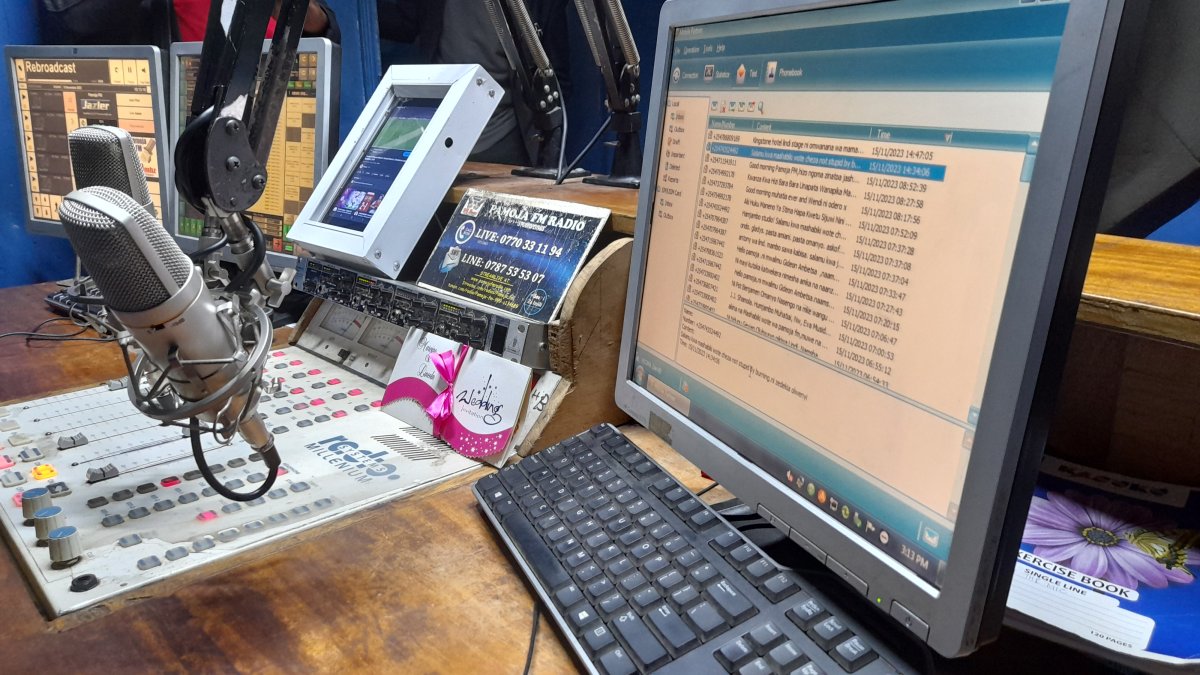
The transferable move is not “run a survey.” It is to place research inside the operating rhythm. The stations did not outsource curiosity to a report that would gather dust. Staff learned to collect the evidence themselves, interpret it together and use it when choosing programmes, approaching advertisers or explaining their public value. This is CAMECO's distinction from a conventional agency: the client is meant to leave with more capability, not merely more slides.
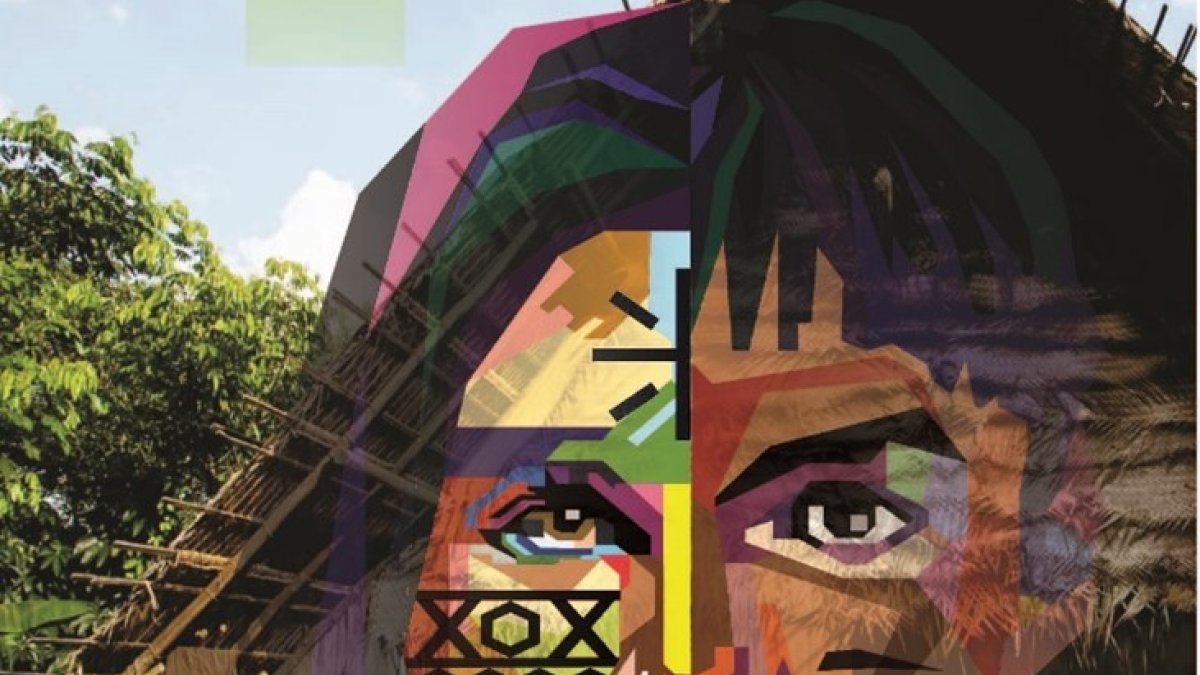
The same design appeared in Colombia. Cumare, a project with Comunicarte and the Pan-Amazonian Ecclesial Network, trained 40 local reporters from twelve church and community stations. They consulted eight communities, produced 40 shared radio programmes and improved their environmental reporting. Nine months after the formal project ended, 1,205 people were still using its Facebook page. The small but important achievement was a network that had reasons to keep speaking after the calendar said “finished.”
What does it cost?
There is no public rate card. CAMECO's digital-capacity work can be commissioned as one workshop, a combined package or a multi-year learning journey. The organization is a German registered charity, historically supported by Catholic aid agencies and now working through a mix of commissioned services and donor-backed programmes. It is not venture funded, has no disclosed valuation and does not publish organization-wide revenue.
Those are programme numbers, not consulting fees. They do reveal the model's economics: CAMECO often administers and coordinates other institutions' money, then applies screening and subject expertise to where it goes. The customers are therefore plural. Donors need diligence. Local partners need plans and skills. Journalism schools need curricula. Community media need evidence. Faith-based organizations need help navigating digital change without turning ethics into a poster on the wall.

The library is the product nobody can fake quickly
CAMECO's strongest competitive asset may be the least fashionable: a library. It began collecting media-development literature in 1969. In June 2026 that archive became Commbox, an online catalogue of more than 30,000 publications, around 17,000 of them freely available. It includes evaluation reports, training manuals, audience research and the grey literature that disappears when projects or organizations close.
The library's phrase is “powered by human intelligence.” It lands as a small joke in an AI year, but it describes a defensible position. Search engines retrieve. Curation decides what deserves to be retrieved. CAMECO has decades of decisions about community radio, conflict reporting, religious communication, sustainability and media systems embedded in its shelves. Larger implementers - DW Akademie, BBC Media Action, Internews, International Media Support - can bring far greater scale. CAMECO's advantage is continuity, a Catholic donor network and an unusually concentrated memory of how small media organizations behave under pressure.
The useful parts are remarkably copyable
You do not need CAMECO's history to borrow its habits. Put the people affected by a project inside the planning room. Combine an outsider's comparative view with a local expert's context. Define the audience before selecting the channel. Build measurement into ordinary work, not the final donor report. Treat a grant application as an operating hypothesis. And leave the people doing the work able to ask better questions without you.
A five-line field guide
- Begin with the decision the evidence must improve.
- Ask local partners to define success in their own conditions.
- Test organizational and financial capacity alongside creative quality.
- Train inside a live project, with real data and real deadlines.
- Schedule the next learning cycle before the first one ends.
There are conditions. This method needs access to staff, decision-makers and audiences. It needs enough time for people to practice, and enough candour to admit when evidence contradicts instinct. It travels poorly when a donor has already chosen the answer, when a local organization is treated as a delivery vehicle, or when training is purchased as a ceremonial one-off. CAMECO itself says digital capacity lasts best when organizations revisit it as tools and teams change.
That may be the pencil's real lesson. The artifact is charming because it is inadequate. One pencil could not handle 22 projects; goodwill could not substitute for criteria; a microphone could not answer for an audience. CAMECO has spent 57 years supplying the less photogenic half of media work - the methods, memory and institutional friction that make the visible half possible.