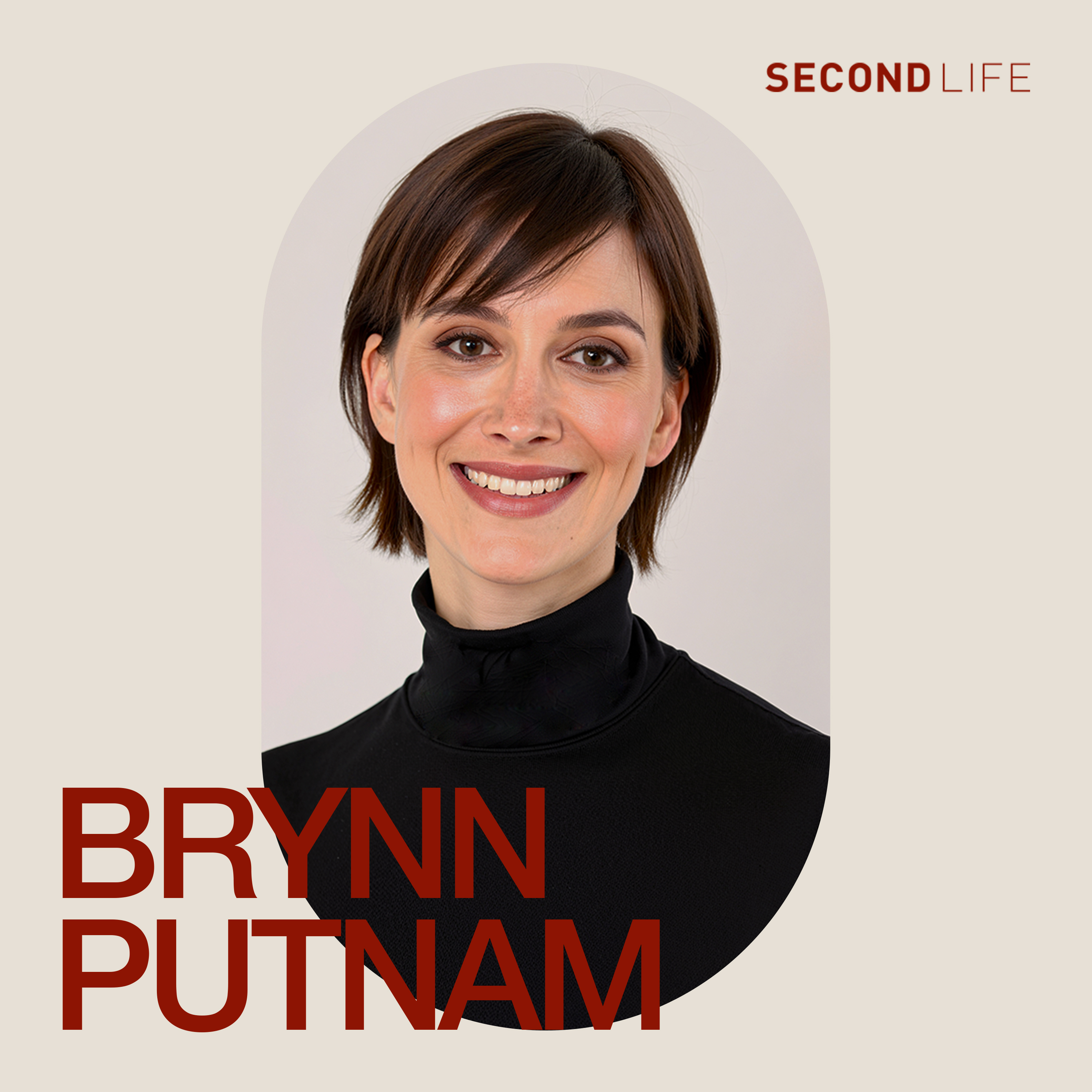
The console that wants you to put your phone down
Walk into a house with a Board in it and you will find a 24-inch screen sitting flat in a wood frame, four to six people leaning over it, and a stack of real game pieces that the glass somehow knows are there.
Board reads touches, gestures, and physical objects on its surface, which means the queen you slide across it is a real queen and the screen plays along. Putnam calls the category "together tech" - hardware whose entire job is to pull people into the same room rather than scatter them to separate ones. The device sells for $399, was named CAMP's "Gift of the Season" for 2025, and according to the company already lives in tens of thousands of homes, schools, hospitals, and restaurants across all fifty states.
The traction number she likes to repeat is engagement, not units: 85% of owners average thirty or more play sessions a month. For a piece of living-room hardware, that is the difference between a gadget and a habit.
"I didn't want to make another screen people stare at."
- Brynn Putnam, on the idea behind BoardFrom a company about her to a company about everyone else
Her last act was Mirror, the slim reflective panel that turned a blank wall into a fitness studio. She launched it in 2018, watched it explode through the lockdown era when nobody could get to a gym, and sold it to Lululemon for $500 million in 2020 - two years after launch. Most founders would have spent the next decade dining out on that.
Instead she changed her mind about what screens are for. "Mirror was very much about me," she has said of the shift. "At that next phase, my life was really just much more about my family and my friends." The seed for Board came from watching her own kids and the way a screen could swallow a dinner table. Her response was not to ban the screen but to redesign its incentives - keep the technology, change who it points at.
It is a genuinely contrarian bet. The entire consumer-electronics industry optimizes for solo, headphones-in, infinite-scroll attention. Board optimizes for the opposite: a thing that is no fun alone and best with five.
A ballerina who read Russian literature for fun
Long before any hardware, there was the barre. Putnam danced professionally with the New York City Ballet - reportedly from age sixteen - and with Les Grands Ballets Canadiens de Montreal. Somewhere in there she also went to Harvard and took a degree in Russian Literature and Culture, which is not the standard résumé line for a founder who would later ship touchscreens with engineers from MIT.
The mirror, it turns out, was the throughline all along. It is the dancer's most honest tool - the thing that refuses to flatter and keeps you accountable. When she founded the boutique studio Refine Method in 2010, she built a proprietary high-intensity training system with MIT engineers and earned a "Best New Workout" nod from New York magazine. The instinct to wrap a clever machine around a human ritual was already fully formed; she just kept aiming it at bigger rooms.
"Mirror was very much about me. At that next phase, my life was really just much more about my family and my friends."
- Brynn Putnam, on why Board existsHow the road actually went
She built a fake prototype, then sold the real thing for $500M
The most quoted Putnam anecdote is the one where she pitched Mirror to investors while nine months pregnant. The better one is quieter: she built her first Mirror prototype despite having, by her own account, no technical experience - a unit that did not actually work, shown to people who needed to believe it could. That gap between "I can picture it" and "I can build it" stops most people. She treated it as a detail to solve later.
That is the pattern across all three companies. Spot a daily human ritual - exercise, a workout class, family game night - then engineer a beautiful machine around it before anyone has agreed the machine should exist. The conviction arrives first; the engineering catches up.
Letting anyone build a game by talking
The roadmap item she is most animated about is Board Studio: an AI-powered platform that lets a person create an original game using plain-language prompts in under an hour. It is the logical end of the "together tech" thesis - not just a console with games on it, but a console whose games come from the people sitting around it.
The backers buying that vision are a who's-who. Union Square Ventures led the $20M Series A, with general partner Michael Mignano taking a board seat in what was billed as his first investment at the firm. Lerer Hippeau led the earlier $15M. The angel list reads like a founder's group chat: Biz Stone, Tim Ferriss, and Scott Belsky.