The first thing to understand about Boutique is that its founders had already built the sort of place other people spend evenings trying to find. Verana, their handmade hotel in Mexico, was completed in 2000. Far Meadow, a mountain camp near Yosemite, followed in 2005. Long before there was a rental platform to promote, there were actual guests, actual rooms and the daily business of making a place feel worth the journey.
- Handpicked vacation homes and small hotels for people who travel for design.
- A marketplace serving guests, property owners and travel advisors.
- The useful distinction: a point of view before the search begins.
The search that ate the holiday
Heinz Legler and Veronique Lievre understood a particular irritation. Finding somewhere to stay could become its own unpaid job. In their account of the company’s beginnings, they recalled writing in 2008 about rental searches that demanded too much time and produced accommodations that disappointed their aesthetic expectations. The holiday existed. The right room was buried somewhere in the results.
Boutique grew around that gap. Today it brings together homes and small hotels selected for design, quality and character. Travelers can search destinations, enter dates and book accommodation. But the interesting work happens before that familiar sequence: someone has decided which properties deserve to appear. A shorter list can be valuable when its omissions make sense to you.
A hotel before a platform
The founders’ experience helps explain the criteria. They were practitioners of hospitality with preferences they could name. In an interview first published in 2015, Legler put one requirement plainly: “The house has to be personal and show personality.” Lievre emphasized architecture, decoration and location. These are judgments about how a place feels, well beyond whether it has enough beds.
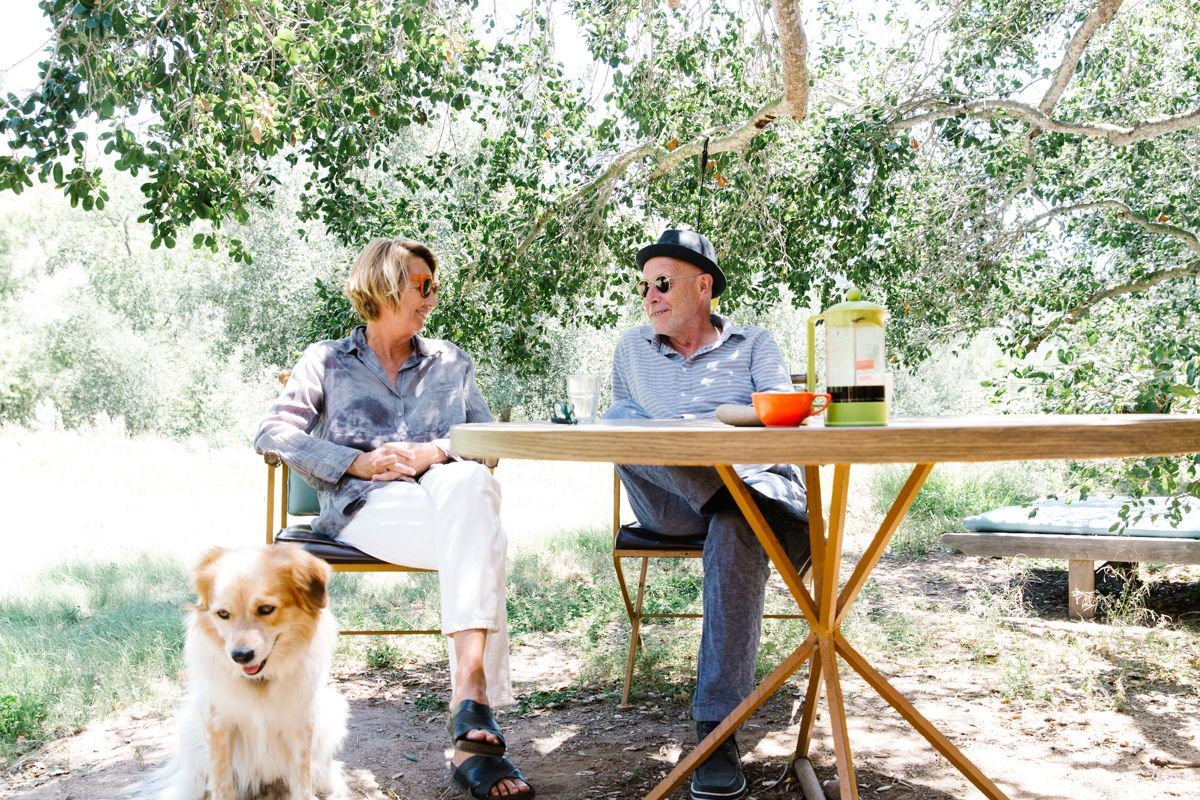
That sensibility also complicates the word luxury. In the same interview, the couple described an interest in charm and history alongside expensive properties. Their proposition leaves room for a smaller, stranger, more personal stay. Someone seeking marble everywhere may want a different filter. Someone who remembers the window seat more vividly than the room service may understand immediately.
“The house has to be personal and show personality.”
Heinz Legler / co-founder, 2015 interview
Two customers, one set of keys
A guest wants confidence that the house will justify the trip. An owner wants confidence about the person arriving with luggage. Boutique addresses both sides. Its host offering describes individual onboarding, listing advice, messaging, calendar integration and pricing tools. It also describes guest screening and host feedback after stays. The photographs attract attention; the arrangements behind them help a reservation happen.
The site gives that curiosity practical routes: collections include architect-designed properties, monthly stays and small hotels. A traveler can begin with a style of place, then narrow the decision around the trip. Owners, meanwhile, can submit a property for consideration rather than assume that every available home belongs in the collection.
The audience extends beyond people booking their own holidays. Boutique runs a travel-advisor program with itinerary tools and commissions. Its advisor website advertises more than 2,000 homes, villas and small hotels. That is the company’s own collection count, rather than a measure of nights sold. For an advisor, the practical attraction is an existing shortlist with a recognizable aesthetic.
An edited marketplace, with people on both sides of the transaction.
Airbnb and Vrbo offer familiar alternatives; design-minded travelers can also consider specialist collections such as Plum Guide. Boutique’s position depends on the usefulness of its editorial judgment. The traveler has to recognize enough of their own taste in the collection to trust someone else’s choices. That is a more personal promise than simply having availability.
The bill behind the beautiful room
The economics are recognizably those of a booking marketplace. Boutique charges hosts a commission on confirmed reservations and may charge guests service fees. Its terms say the guest fee is shown before checkout. The room rate alone therefore does not describe the whole bill. Dates, taxes, additional services and the property’s conditions all deserve a look before payment.
Booking also has two speeds. Some homes offer instant confirmation. Others require a request and a host’s acceptance. Boutique’s terms distinguish its marketplace and payment services from operating the accommodation: the reservation agreement is between guest and host. A carefully selected house still comes with its own rules. Read the cancellation policy, minimum stay and practical details while the photographs are doing their persuasive work.
A showroom with a checkout time
In April 2025, Boutique and Design Within Reach made their overlap unusually concrete. They outfitted the Desert Wave in Palm Desert with furniture from DWR’s offering, including pieces featuring Paul Smith textiles. Walter S. White’s 1955 house, with its rolling roof, became somewhere to experience design over a stay. The furniture was shoppable through DWR.
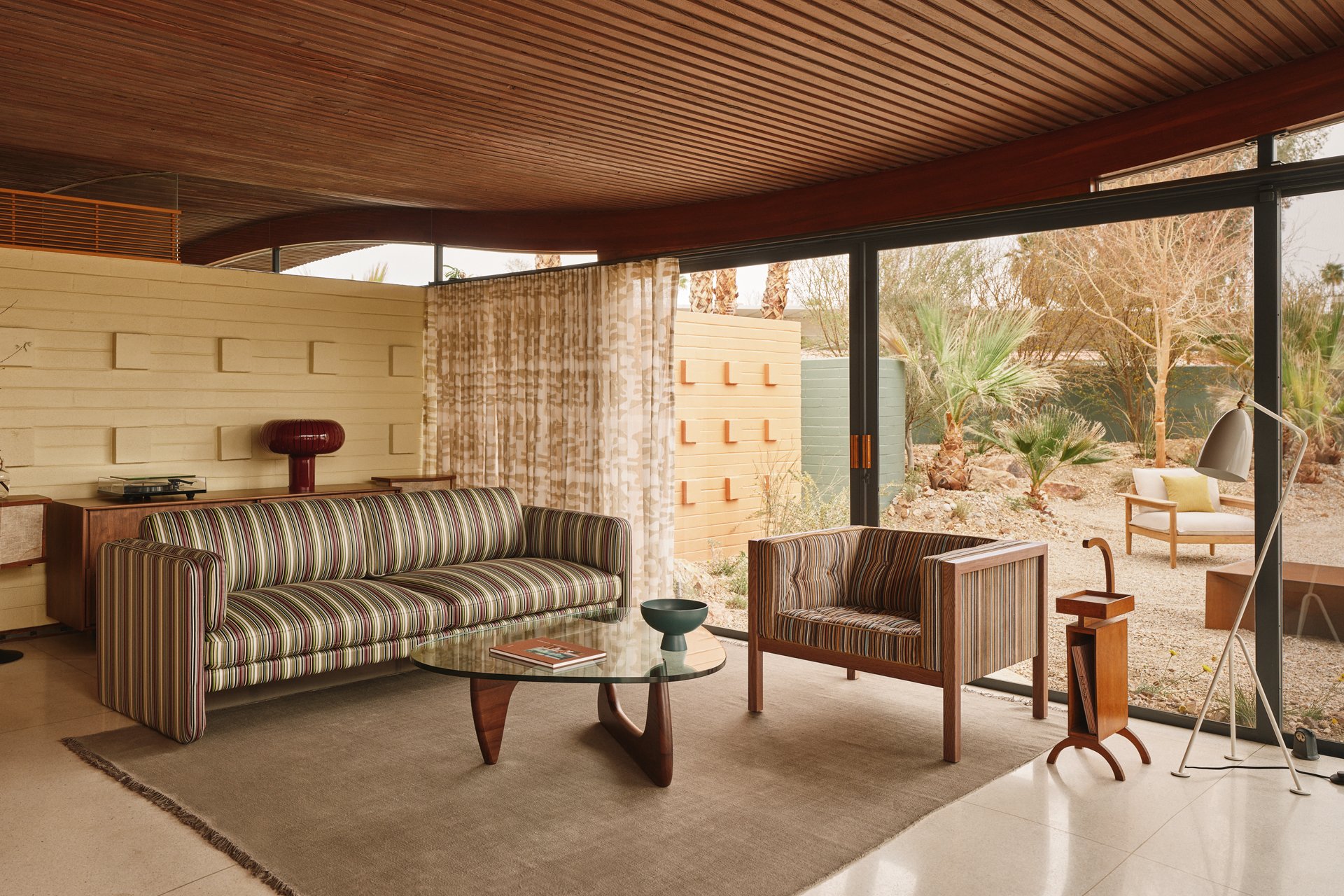
The promotional installation ran from April 21 through August 31, 2025, with a $250 DWR gift card and a $250 card for a future Boutique stay offered to guests. The idea is easy to grasp: sitting briefly in a showroom gives you one kind of information. Having breakfast beside the furniture gives you another. Architecture, accommodation and retail could share the same address.
That use of editorial context has a precedent. In 2017, BoutiqueHomes worked with Cool Escapes and architecture publisher avedition on a book featuring more than 60 vacation homes. A printed collection gives the reader permission to linger over a building without committing to dates. For Boutique, it also makes the selection visible outside the booking screen. The house can be interesting long before someone needs a holiday.
The taste test
The connection between looking and staying continues in print. In October 2026, Boutique featured How Architects Live, a new book by its CEO, Marc Blazer. Its accompanying article points readers toward bookable properties by featured architects. It is a natural extension of a business where curiosity about a house can become the reason for a trip.
There is a useful lesson here for anyone building a collection: make the criteria legible, then do the service work that allows people to act on them. The conditions matter. Travelers needing a particular neighborhood, flexible cancellation or specific accessibility features must establish those separately. Boutique works when the shortlist and the traveler’s priorities meet. Start with a house that interests you. Then check whether you can happily live there for a week.