A software company needs more software engineers. It sounds like a restaurant ordering takeaway. Yet that is precisely the arrangement that makes BestPeers interesting. In a review of an engagement beginning in January 2022, S2Infinitum Softech described bringing in fifteen BestPeers team members for React and Angular work. The client praised the results, then added a small, practical complaint: deployment needed attention.
- Custom applications, technical teams and continuing support.
- An Indore engineering operation with a California presence.
- A growing AI offer built alongside data and cloud services.
The telling detail is the coexistence of satisfaction and unfinished work. A product can improve while the machinery that releases it still needs tuning. That distinction runs through BestPeers’ business. Hiring a developer, delivering a feature and operating a useful system are connected purchases. They deserve separate questions.
Fifteen engineers. One revealing footnote.
S2Infinitum’s director, Sunil Gupta, said the team improved its product. His suggested improvement was blunt: “They need better DevOps implementation.” The engagement’s budget was confidential. BestPeers’ current Clutch listing advertises $50-$99 an hour and a $50,000-plus minimum project size. Those are advertised terms, not the cost of that assignment.
“They need better DevOps implementation.”
Sunil Gupta · S2Infinitum Softech · April 2023
For a buyer, the lesson is specific. Ask who owns the release process, production monitoring and the next change request. An extra engineering team can increase capacity. It still needs an agreed route from someone’s laptop to the system customers actually use. The handover belongs in the brief from the beginning.
The company behind somebody else’s product
BestPeers says it began in Indore in 2017 with forty people. Its Indian operating company was incorporated that May. The company’s own timeline places CMMI Level 3 attainment in 2022 and the integration of AI and machine learning into its operations in 2023. That is a story of an expanding services business, with process and new capabilities accumulating around application development.
Today, its public offer stretches across custom software, web and mobile applications, design, data engineering, cloud work and staff augmentation. Its LinkedIn description groups the work around AI engineering, data intelligence and cloud and product engineering. Read together, those offerings describe a supplier that wants to remain involved as a client’s technical needs change.
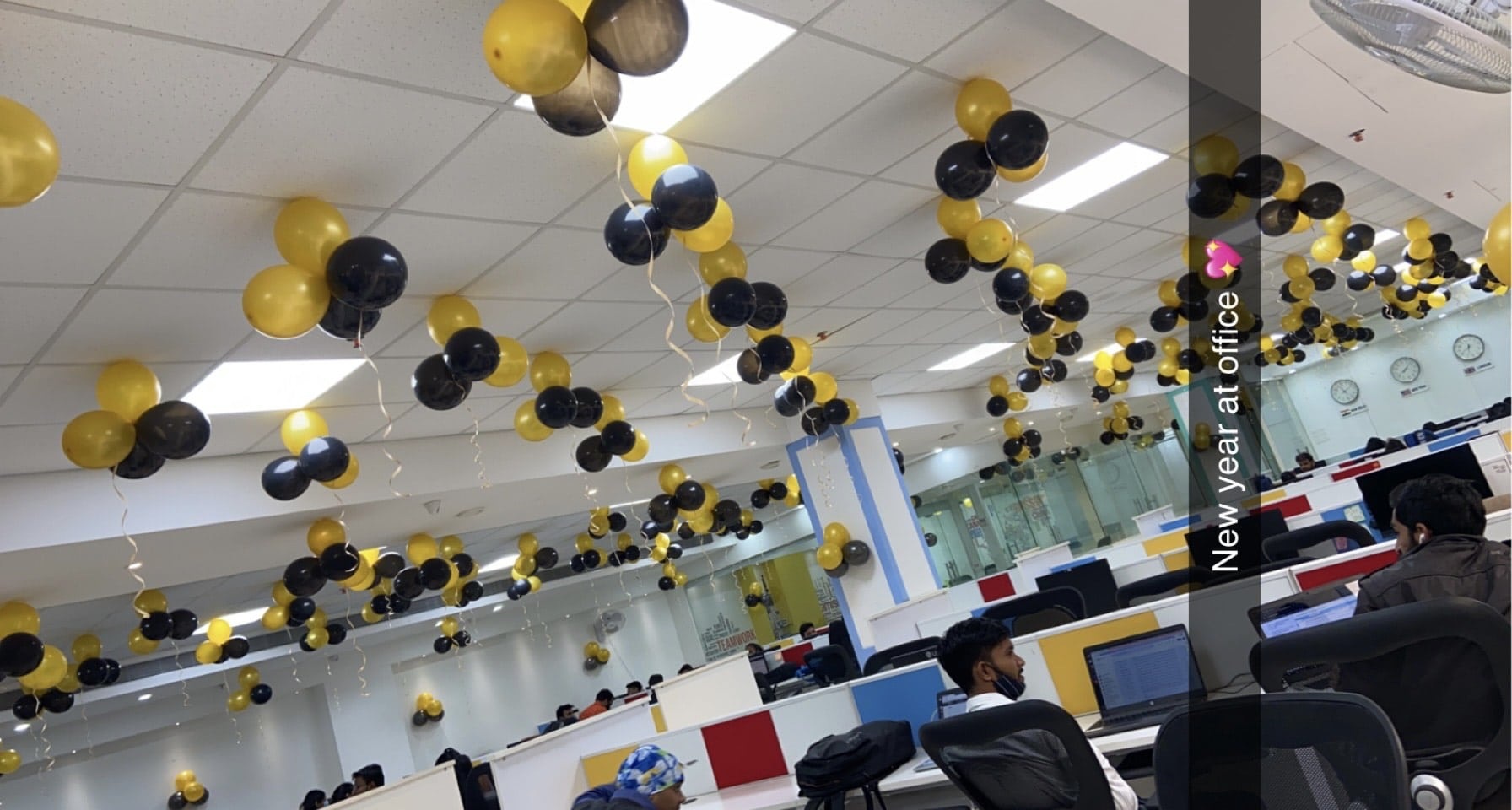
There is an unglamorous advantage to that range. A web application may need a mobile interface later. An analytics dashboard may need cleaner inputs first. A client using several of these services can ask the same supplier to connect the pieces. Whether that convenience pays off depends on the people assigned and the responsibilities agreed.
The people side has its own operating promises. BestPeers advertises a five-day week, flexible hours, performance bonuses and learning opportunities on its careers page. Its vacancies include Rails, Python, React Native, data engineering and DevOps roles in Indore. That combination is revealing: the newer data work sits beside the application skills that keep existing products moving. For a buyer, the useful follow-up is to ask which of those skills belongs to the proposed team.
The scooter is only the beginning
The portfolio makes the work easier to picture. BestPeers describes an Ola Electric buying platform covering variant selection through doorstep delivery. Another entry describes insurance products including job-loss, business-loss and device protection, with post-purchase tasks, claims and renewals brought into a dashboard. A hospital-management entry connects doctors’ and nurses’ shifts with payouts based on time slots.
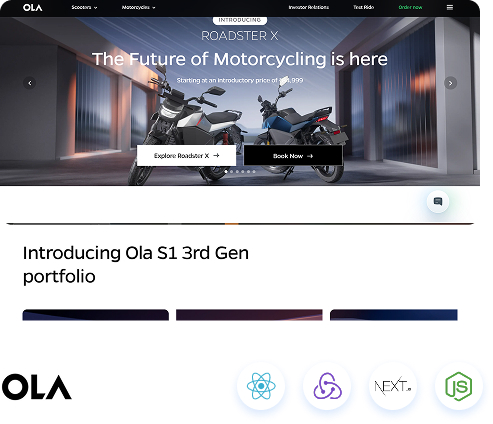
These descriptions reveal its market position. The visible interface is the doorway into a business process: a purchase, a claim, a shift, a payment. BestPeers offers the custom engineering needed to join those steps. Its appeal rests on matching a particular workflow and supplying people who can maintain it as requirements move.
Two ways to buy the work
A client can commission a build or add engineers to an existing team. BestPeers’ staffing service allows hourly, monthly and project engagements, with client interviews before onboarding. That flexibility makes sense for an organisation that already has technical leadership and needs a missing skill or additional capacity.
For a commissioned application, the software-development process runs through discovery, design, development and deployment, followed by optimisation. BestPeers says MVPs may take two to four months, while enterprise systems can run beyond six to twelve months. Those are planning estimates. Features, integrations and ongoing support determine the actual commitment.
That also defines the alternatives: hire internally, choose another agency, or use packaged software when the workflow already fits. A bespoke build earns its expense when the differences matter. Staff augmentation works best when someone on the client side can set priorities and make decisions. Flexibility does not remove management.
AI needs plumbing, too
BestPeers now markets chatbots, computer vision, forecasting and custom machine-learning systems. Its AI process includes a feasibility check on data readiness, technical requirements and potential return before development. That checkpoint is worth copying. A fashionable feature is a weak starting point; a defined operational problem gives a team something testable to solve.
The data-engineering offer supplies the adjacent work: ingestion, warehouses, streaming, governance and monitoring. These services help explain the move toward AI. A prediction or conversational interface needs information it can use and systems it can reach. The application’s usefulness depends on those connections, and on who maintains them.
Consider the sequence in its data service: audit the existing environment, plan an architecture, develop pipelines, deploy and monitor, then keep optimising. The practical appeal is continuity. Someone has to understand how information arrives, what it means and where it goes next. If a business cannot supply usable data or an agreed decision to improve, the feasibility stage should expose that before a larger build begins.
There is a fitting detail in BestPeers’ own product cupboard. Its employee Portal app handles attendance, leave and timesheets. The company that sells technology transformation also builds the software for an ordinary working day. In its September 2026 writing on AI-assisted code, BestPeers advocates automated security checks with human sign-off on generated fixes. That is a sensible place to end the sales conversation and begin the operating agreement: decide who checks the work, who approves it, and who answers for what happens next.