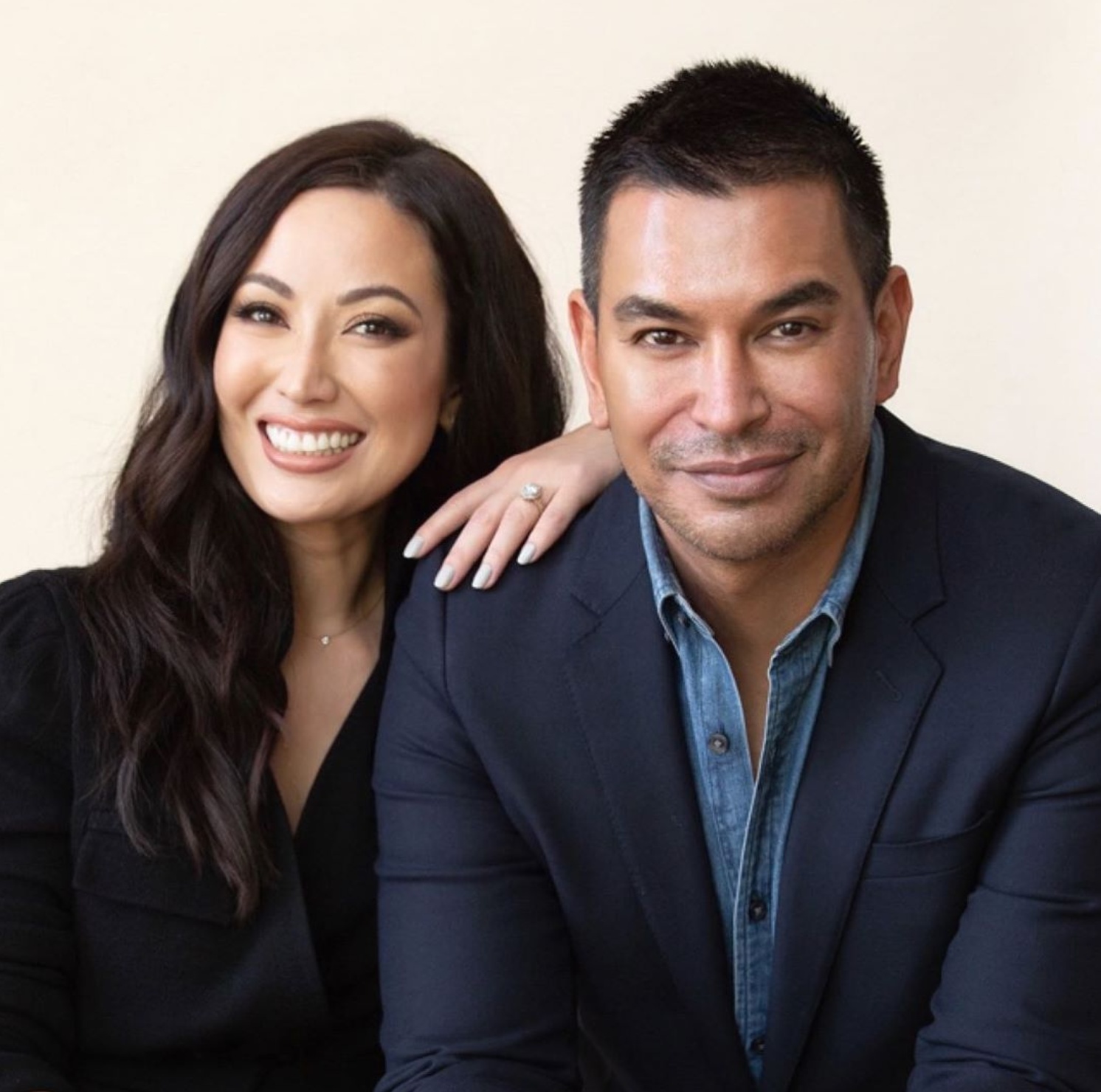
Carrie Barber went to lunch and came away with a different future. It was January 2020, Grammys week in Los Angeles, and she was meeting Ben Bennett at Sunset Tower. Celebrities were all around them. Bennett had a proposal: would she join him in acquiring and relaunching MAKE Beauty?
They had first connected over possible freelance work. Barber was an art director with experience at Sephora, Glossier and Violet Grey; owning a beauty brand had not figured in her plans. She told him she would think about it. Within hours, she had texted her acceptance. A sensible interval for considering a career change, provided you have already spent years learning the business.
The lunch makes a useful introduction to Bennett. His work involves recognising what a brand could become and choosing someone who might help it get there. The partner receives a business to shape. Bennett gets another beginning, the stretch of company life he has said he enjoys most.
The shop floor came first
Long before The Center, the West Hollywood beauty accelerator he founded in 2019, Bennett worked across a portfolio of apparel businesses at Limited Brands. His involvement with Bath & Body Works drew him into fragrance and personal care. He had arrived with an eye for trends and seasonality; he discovered a category where those instincts could influence an everyday purchase.
There is a particular education in selling something people will use up. A garment can wait in a wardrobe. A bottle empties. To build a lasting business, you need shoppers to return, which gives the initial burst of enthusiasm a rather practical examination.
Bennett later worked through his branding business, Bennett Kreative, and co-founded HatchBeauty with Tracy Holland. At HatchBeauty, the work ranged across celebrity projects, product development and retail positioning. Nuance, the line developed with Salma Hayek, was among its projects. It was an apprenticeship in turning a point of view into packaging, products and an offer a retailer could understand.
A desk with standards
A look at Bennett’s workspace in 2012 catches the creative director at close range. Fragrance samples sat in trays. A Byredo Bibliothèque candle supplied the atmosphere. Fresh arrangements by florist Eddie Zaratsian brought botanical inspiration into a converted Santa Monica warehouse. Bennett preferred them rustic rather than fussy.
He was particular about his equipment, too: Craft Design Technology pens and scissors, Field Notes pencils, Apple devices. His desk was made from reclaimed wood. The objects were part of the working environment he wanted to inhabit for long hours.
It is a pleasingly literal portrait of taste at work. Beauty development requires decisions about small things: the feel of an object, a shape, a colour, the impression a collection makes together. Bennett surrounded himself with examples. Even the scissors had apparently been through casting.
By 2019, he had sold his HatchBeauty stake to Lion Capital. The next business would draw on the same industry experience, with a different arrangement of ownership and operating support.
Choose the person for the part
MAKE already had a past when Bennett and Barber acquired it in 2020. Originally launched in 2013, it had developed a following before going quiet. Their task was to give it a future while understanding what had made people care in the first place.
Barber became co-owner and creative director. The relaunch arrived in May 2021 with four skincare products, priced from $24 to $30, and a direct-to-consumer approach. The visual history mattered, but so did a fresh product proposition. A familiar logo alone would have made a rather expensive souvenir.
The pairing brought together two different kinds of experience. Barber knew how to create a visual world for a beauty business. Bennett knew the development and commercial work required to make that world available for purchase. Their partnership had room for both.
His connection with Susan Yara had begun earlier, at a 2015 event for the Bliss cosmetics line, a HatchBeauty project. Yara built her own audience through beauty content. When Bennett moved on to The Center, their relationship became the basis for work together on Naturium.
Naturium’s beginning also carried friction. In 2020, Yara faced criticism for promoting the brand before publicly disclosing her connection to it. She apologised. The episode belongs in the story because an audience’s trust is part of what such a partnership brings to a business. That trust can also become a point of scrutiny.
The work between the launch and the deal
The Center’s proposition extended beyond matching a brand with a recognisable partner. It assembled operating capabilities that could serve several businesses: testing, manufacturing, distribution, and the strategic work around them. Each label could have its own character while drawing on a common pool of experience.
That arrangement addresses a problem Bennett had seen among emerging founders. Some needed money. Others needed help with development, sourcing or operations. A founder can have a precise idea of what a brand should look like and still benefit from someone who knows how to get it made.
His early investment activity also included businesses such as Kosas, Ellis Brooklyn and Circumference. The level of involvement could vary. Sometimes the useful contribution was advice or an introduction; sometimes the team could take a project off a founder’s hands.
- 01 / Point of viewA founder and a defined brand proposition.
- 02 / ProductDevelopment, testing and manufacturing support.
- 03 / ReachDistribution and operating expertise.
- 04 / Next stageNew capital, leadership or ownership as the business grows.
Bennett had also questioned whether the rush to build awareness necessarily produced lasting customers. In 2020, he discussed the difficulty of retaining shoppers when social media kept presenting them with something new. A busy launch calendar could win attention without settling the more consequential question of whether people would buy again.
That is a useful reservation from someone whose job includes making new things. The first order proves curiosity. A subsequent order asks more of the product and the business behind it.
Money, with people attached
In December 2021, The Center received a $15 million minority investment from Prelude Growth Partners. Bennett emphasised the value of its people and operating experience alongside the capital. Prelude’s Neda Daneshzadeh and Alicia Sontag brought consumer industry relationships to a business that was growing while still operating with a startup’s needs.
For Bennett, raising outside money was a departure from bootstrapping. He had built businesses that way before and still regarded it as possible. The trade-off was speed: reaching an intended audience required resources as well as a convincing idea.
The distinction matters when looking at the numbers that followed. Prelude’s investment was in The Center’s platform. The later Naturium acquisition was a purchase of a brand. They describe different parts of a company-building process, and the larger number makes sense only after the intervening work.
Purchase price paid by e.l.f. Beauty in cash and stock.
When e.l.f. Beauty announced the Naturium agreement in August 2023, it expected the brand to generate about $90 million in annual net sales. It planned to keep the business operating from Los Angeles and retain its entrepreneurial team. The acquisition closed on October 4.
A founder’s achievement can be described in the language of a transaction. What the buyer wanted, though, included people, products and an organisation that could keep working after the announcement. The photograph of a cheque, had there been one, would have missed most of the purchase.
Leaving can have several meanings
Phlur offers a different version of the handoff. The Center partnered with the fragrance business in 2021, and the brand relaunched with Chriselle Lim the following year. Its perfumes, including Missing Person, gave Lim room for the personal storytelling that became central to its public identity.
In July 2025, TSG announced an agreement to acquire Phlur. Lim would continue as creative director. She and The Center would retain meaningful stakes, while Prelude would exit its investment. Financial terms were undisclosed.
That structure complicates the easy picture of building a brand and walking away. Ownership could change while a creative role continued, and Bennett’s company could remain invested. The next chapter had room for earlier participants.
Saltair followed with another transaction in 2026. Founded with Iskra Lawrence in 2022, the body-care brand combined accessible pricing with fragrance and a welcoming public identity. On July 30, TSG announced its agreement to buy a majority stake. Transaction counsel subsequently described the sale. Lawrence’s role would include Chief Community Advocate, extending her connection to the audience that had grown around the brand.
These arrangements give the handoff some texture. A brand needs support for its next stage, but it also has relationships worth carrying forward. The work includes deciding who stays involved and how.
The attraction of another beginning
The pipeline continued while earlier brands moved into new ownership. In March 2024, The Center invested in Cyklar, the body-care business Claudia Sulewski had launched the previous October. She arrived with an existing product and an ambition to expand. Bennett arrived with a team that knew the work of developing a range.
His public account of his own abilities helps explain the pattern. He enjoys early growth and recognises that a larger business may need a different operator. In a 2021 interview, he put a number on his preferred territory:
“I’m really good at $0- $50 million in revenue on a business.”Ben Bennett, 2021
There is an appealing lack of theatre in that assessment. It allows for ambition without requiring a promise to occupy the same chair forever. Bennett can choose partners, build the operating support, and help a brand reach the point where another kind of expertise becomes useful.
The lunch at Sunset Tower belongs to that pattern. Barber saw the possibility of owning and reshaping a brand. Bennett saw someone he wanted beside him at the start. Years of work followed an invitation made over a meal. For a career spent bringing beauty businesses into existence, it is a fitting place to begin.