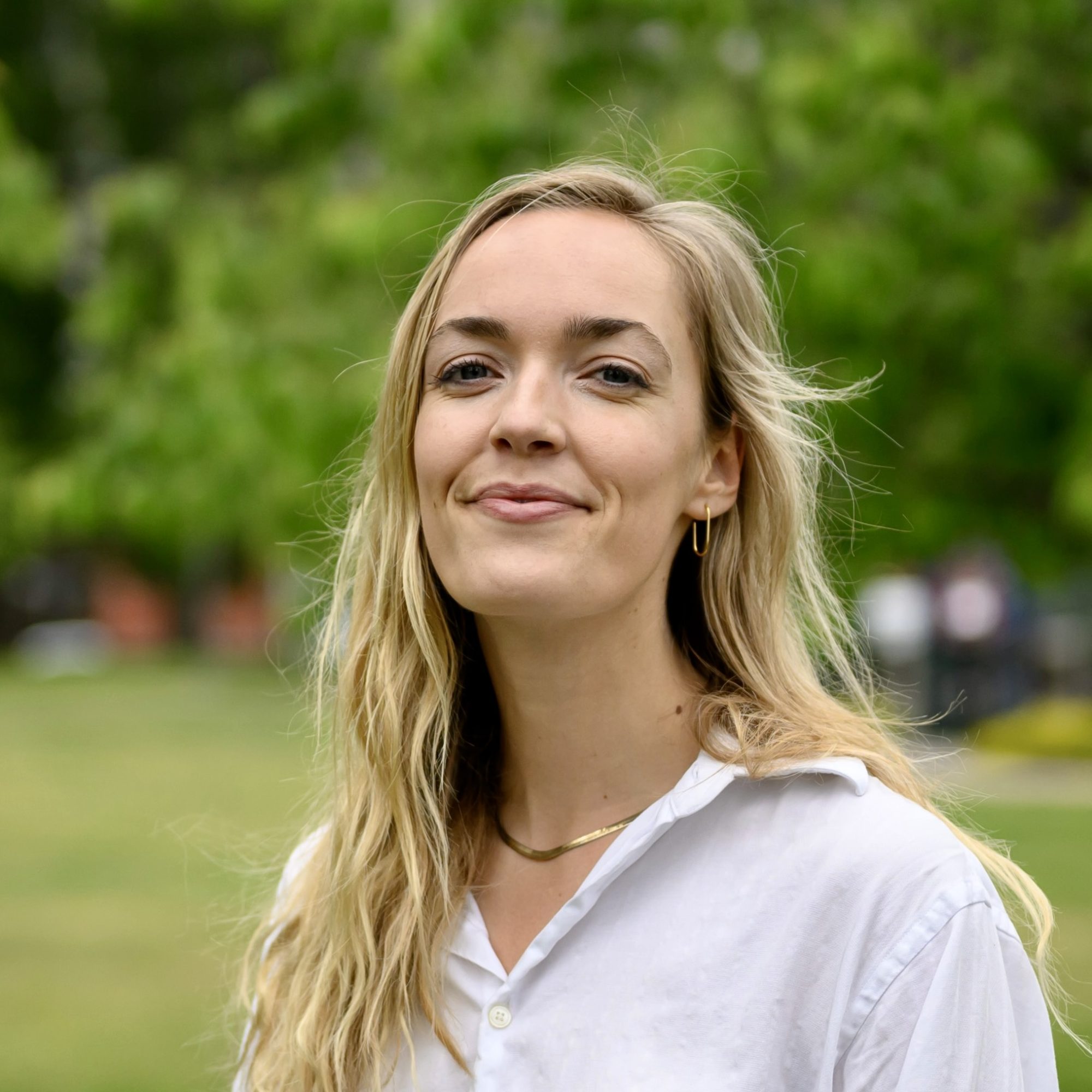
She spent years counting the carbon a building burns. Then she went looking for the carbon it was born with.
Most climate conversations about buildings stop at the thermostat - the heating, the lighting, the energy a structure guzzles once people move in. Anneli Tostar built a company around the part everyone skipped: the emissions baked into the concrete, steel, and glass before the doors ever open. As CEO and co-founder of Tangible, she runs a software platform that helps real estate developers find, measure, and slash the embodied carbon locked inside the stuff they build with.
Tangible pulls from third-party verified Environmental Product Declarations so a development manager - not a sustainability PhD - can pick a lower-carbon material and prove the impact to investors. Tostar's whole bet is that good defaults beat good intentions.
Tostar's resume does not read like a software founder's. Born in Oregon with Swedish roots, she studied anthropology and environmental policy at Harvard, then crossed the Atlantic for a master's in Sustainable Urban Planning & Design at KTH in Stockholm. Somewhere in there she co-founded MILJÖ, a blog about sustainable fashion. The thread running through all of it: how human communities shape, and are shaped by, the things they build and wear.
Her early career was firmly in operational carbon. At the UK's Better Buildings Partnership she worked as a stakeholder engagement manager, nudging major property owners toward net-zero. Later she helped the global sustainability consultancy Longevity Partners plant its flag in the United States. She knew the real estate climate world from the inside - which is exactly why its blind spot bothered her.
When she and co-founder Nicole Granath looked at how professionals actually picked sustainable materials, they found a mess: bulky databases, manufacturer websites, homegrown spreadsheets, and what Tostar memorably called "ye olde Google search." Sustainable design was happening one heroic project at a time, never as the default.
Building materials, she argues, are "a ubiquitous, invisible consumer product" - chosen constantly, examined almost never. In December 2021 the two co-founded Tangible to drag that choice into the light. As she put it, they wanted to build something that delivered "tangible climate impact" instead of adding "more hot air" to the sustainability conversation.
We think it should be stupidly easy to choose low-carbon materials.
Co-founds MILJÖ, a sustainable-fashion blog - an early sign she'd always read products through a climate lens.
Profiled by the Harvard Office for Sustainability.
Works as stakeholder engagement manager at the UK's Better Buildings Partnership, pushing net-zero carbon buildings.
Helps consultancy Longevity Partners expand into the US - then leaves to start her own thing.
Co-founds Tangible with Nicole Granath.
Raises a $3M seed round led by Foundamental; total raised hits $4M.
Latest reported funding brings the total to roughly $8.8M.
Find, manage, and report on the materials used across a project - then see the whole carbon picture and where to swap.
Foundamental led the seed; Fifty Years led the pre-seed. Redstone Built World Fund, Pi Labs, Asymmetric, and Deco Ventures joined.
Tostar's real estate sustainability background meets Granath's manufacturing sustainability experience - both tired of watching the industry stall.
Headquartered in San Francisco, aimed first at the North American market.
We want it to be easy for people who aren't sustainability experts to make the right choices.
Real estate has a climate problem.
Artist, urbanist, sustainability person.
Her personal site files her under "artist, urbanist, sustainability person" - paintings and photography sit right next to climate essays.
Oregon-born, Swedish-heritage, Stockholm-trained, San Francisco-based. The accent on her work is decidedly transatlantic.
Before building materials, she co-founded a fashion blog. The instinct to ask "what is this actually made of?" came early.
Her career flipped from operational carbon (energy a building uses) to embodied carbon (emissions baked in before day one).
Concrete, her favorite villain, is the second most-used substance on Earth after water - and roughly 8% of global emissions.
Build something that catalyzes tangible climate impact - not more hot air.