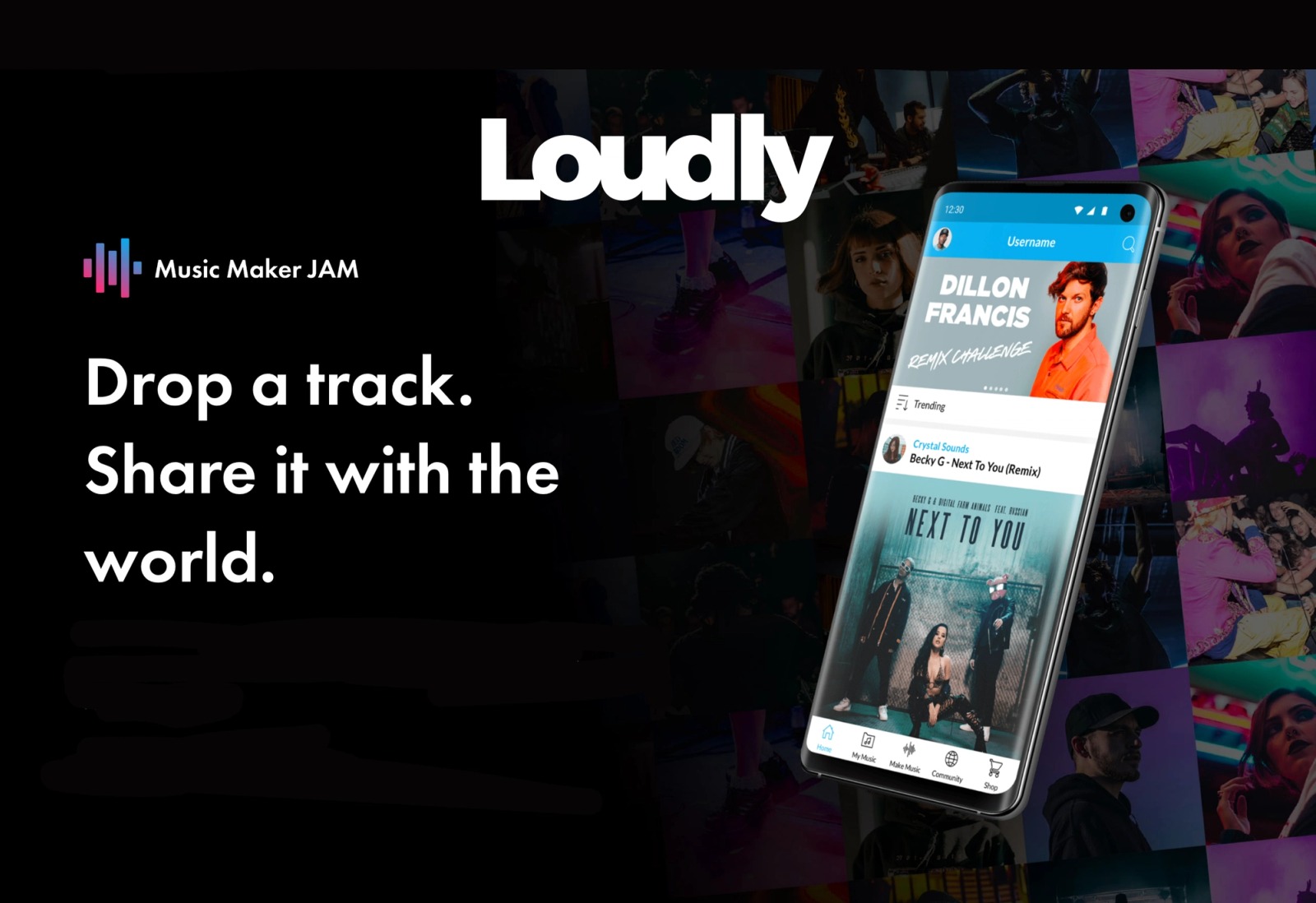
To enter the competition, you had to download the app. That was the useful part. In June 2018, Music Maker JAM and AMW announced a remix contest around the launch of Loudly, a social music platform. Entrants would make something, submit it, and wait for a livestream announcing the winners. A publicity campaign had become an invitation to practice being a customer.
- AMW combines publicity, entertainment marketing, events, and business software.
- Its useful trick: connect the promotional activity to a specific customer action.
- Its newer bet is AMW Suite, bringing sales and service into one workspace.
The prizes were tailored to the audience. First place included a 90-day PR campaign with Times Square exposure. Other prizes included an iPad, headphones, and music-making resources. The announcement forecast roughly 2,000 entrants. AMW’s later case study describes thousands of submissions. Those are different kinds of evidence: an expectation at launch and the agency’s retrospective account.
But the mechanism is clear. An advertisement could tell musicians that a new app existed. The contest gave them a reason to open it. That distinction explains a surprising amount about AMW, a company whose work now stretches from celebrity appearances to software that drafts a sales follow-up.
01 A guest list is a distribution plan
Consider a very different assignment: introducing The Ritz-Carlton’s first Austrian hotel. For the Vienna opening, AMW describes work in event consulting, planning, and talent acquisition. Its case study names Joss Stone, Dita Von Teese, and Elizabeth Hurley among the guests and performers it helped secure.
The visible product was a party. The work underneath involved matching talent to a brand, negotiating participation, and coordinating the evening. A recognizable guest creates a reason for a photograph; a well-run event gives that photograph somewhere to happen. AMW’s account links the opening to coverage in travel and hospitality publications.
That is where the agency fits: between a client with something to announce and the people whose participation makes the announcement travel. Its Hello Kitty work describes a similar combination of talent negotiation and coordination, right down to arrivals and sound-checks. Glamour has a surprisingly administrative underside.
- 01Offer a prizeGive creators a reason to care.
- 02Require creationEntry involves using the apps.
- 03Make it publicA livestream gives it a finish.
Its Young Futura case study offers a more numerical example. AMW says the duo’s “Gypsy Woman” video accumulated more than 500,000 views and received music-publication coverage. That is a visibility result, reported by the agency. It does not isolate how many views the campaign added, how much the campaign cost, or what those viewers subsequently bought. Buyers should keep those questions attached to the number.
02 The name got smaller. The brief grew.
AMW traces its beginnings to a European promotion business in 1997. It opened a US office in 2005. The more revealing milestone arrived in September 2015, when A&M Entertainment announced that it was becoming AMW and extending its work across more industries.
“We will continue to service the entertainment industry while expanding our reach”
MIKE COATES / VP / SEPTEMBER 2015
The announcement named technology, hospitality, travel, sports, and consumer goods. It also described branding work ranging from identity design to stage concepts and storyboards. The change was explicit: experience acquired in entertainment could serve clients with other things to sell.
Today, AMW addresses businesses, founders, and creators. Its service menu includes media outreach, content, social management, digital campaigns, and personal branding. It operates with team members across North America, Europe, and Asia. The breadth is its proposition: fewer handoffs between the people shaping a story and the people executing it.
The services page describes starting with one service and adding another once it works. A lead coordinates the specialists. For a small team, that offers a way to buy outside expertise without immediately commissioning every item on a long agency menu.
03 Put a price beside the promise
AMW earns money through projects, retainers, packaged services, and software subscriptions. Custom work starts with a written scope and price. Its public catalog also makes some smaller purchases unusually legible.
Catalog starting price / one-time
Advertised three monthly placements
Different scopes, not comparable measures of return.
The basic personal-branding package advertises three placements a month; higher tiers add features and distribution. Those commitments tell a buyer what is being sold. They do not establish that a reader becomes a customer. AMW’s campaign terms require payment before work begins and make campaign fees non-refundable once a campaign starts.
For a buyer, the sensible question is specific: which audience, which publication, which action afterward? The Loudly example is useful precisely because it supplies an action. Coverage without an intended next step leaves the commercial part of the campaign unfinished.
04 After the applause, somebody must reply
In May 2026, AMW announced AMW Suite. The platform combines customer records, proposals, portals, funnels, support, and AI assistance. Its own history dates the effort to turn internal tools into products to 2024.
The connection to the agency business is easy to see. Winning attention creates follow-up work. A lead needs an answer; a proposal needs approval; a new client needs context carried from sales into delivery. The Suite’s pitch is to keep that history together.

AMW names its assistants Sheri, Jenna, and Aria. They address support, sales, and marketing analysis respectively. People review the drafts and decide what goes out. AMW positions the Suite against combinations of tools such as HubSpot, Zendesk, and PandaDoc. That makes consolidation the buying argument; feature depth and integration fit still deserve a demonstration.
05 Start with the job you can count
The most transferable part of AMW’s current offer may be its AI implementation method. It describes measuring repeated work, testing one task, and reviewing time saved, turnaround, edits, and actual adoption. That is a practical starting point for an operator tempted to automate everything at once.
The conditions matter. AMW says the work should recur, have a written history, and belong to someone responsible for it. If every assignment differs or the knowledge lives in one person’s head, documentation comes first. An assistant cannot reliably inherit a process that nobody has explained.
There is a useful lesson connecting the contest and the customer record. Choose what should happen next, then arrange the work around it. For a musician, that might mean making the first remix. For a business, it might mean answering the first inquiry before the interest disappears.