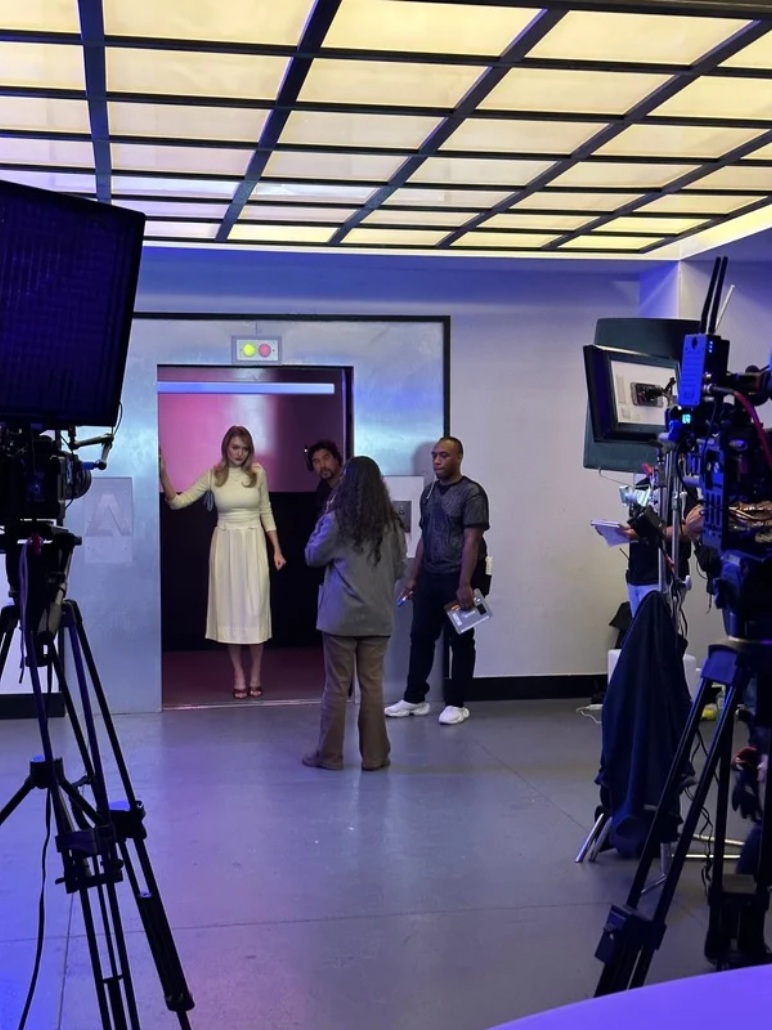
The elevator doors are open. A woman in a pale dress stands inside. Beyond the doorway, people confer beneath a luminous ceiling, flanked by cameras and lights. It is a production photograph on Alta Media’s website, and it contains a pleasing disproportion: all this equipment, all this coordination, for entertainment designed to fit in the palm of a hand.
That disproportion is a good place to begin with Alta Media USA. Its two public-facing businesses are Alta Talent, which supports livestream creators, and AltaTV, which offers short dramas. One helps people perform in the moment. The other puts writers, actors and production teams to work before the audience arrives. Viewed together, they suggest a company organized around a deceptively demanding unit of value: somebody’s next minute.
The interesting part is how practical the proposition becomes. There are creator applications, equipment, coaching, referral programs, production schedules and episode purchases. For all the website’s talk of going viral, the machinery underneath is recognizably work.
A phone screen, two kinds of performance
Alta Media describes its mission around artists, brands, livestreaming and short-film production. Its LinkedIn specialties include TikTok, short drama and C-Drama. The corporate website makes the division easier to follow: Alta Talent is the creator-facing operation; AltaTV is the entertainment destination, with links to its Apple and Google apps.
These businesses address different customers. A livestreamer wants help building and running a channel. A viewer wants something worth watching. A referral partner wants a way to introduce talent, while a community manager takes on a more sustained relationship with creators. Treating all four as one audience would miss what the company actually offers.
My reading of the combination is that Alta is working on two versions of audience retention. A live performer can respond to the room; a scripted episode must anticipate the room. The tools differ. The audience still gets to leave. That gives the company’s mixture of creator services and drama production a logic beyond the shared use of video.
The less glamorous side of “go viral”
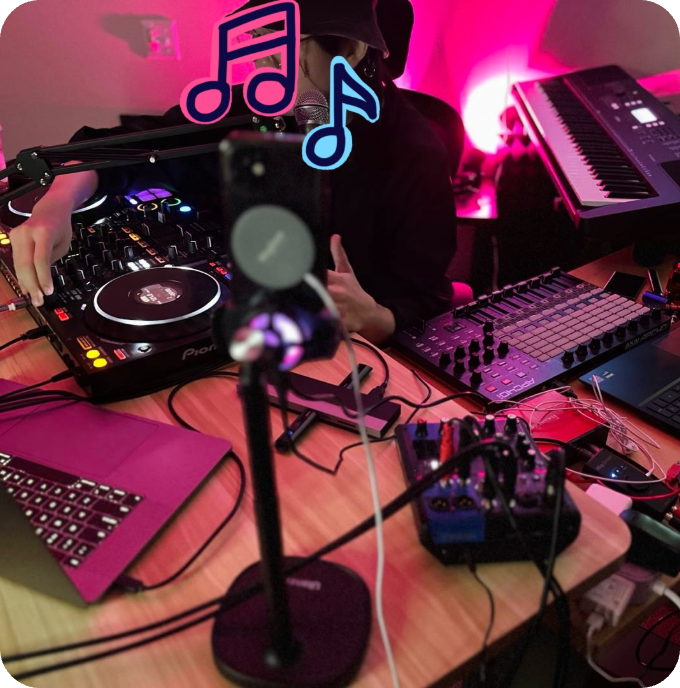
Alta Talent’s creator page advertises workshops, equipment help and access to offline livestream studios in Los Angeles and San Francisco. It also lists account protection, algorithm-focused training and TikTok monetization support. This is an offer aimed at people who need a working operation around their on-camera talent.
Its FAQ gets more concrete. The agency says it supplies coaching, content strategies and analytics insights, can help creators obtain PC streaming access, and has channels for accelerating account appeals. For somebody trying to make a habit of broadcasting, those details matter: an inspired performance is difficult to deliver through an account you cannot use.
Joining is free, according to the FAQ. The same page says Alta typically includes exclusivity for the platforms it manages, with flexibility discussed case by case. It describes participation in PK battles as optional and says creators can leave. Those statements belong together. The useful starting point for a creator is the complete arrangement: which platform is covered, what support will arrive, and what the agreement asks in return.
“No, joining our agency is free.”
Alta Talent · creator FAQ
Refer a creator. Or help run the community.
Alta’s partnership programs make a useful distinction between finding talent and managing it. The Member Program focuses on scouting and successful referrals. The Ally Program goes further, asking participants to cultivate creator communities, with access to workshops, network resources and platform insights.
The distinction is worth copying even outside entertainment. Introducing someone is a bounded task. Helping that person improve is an ongoing job. Alta gives the jobs separate names and separate descriptions, which makes the commitment easier to understand. A person with a good network might prefer referrals; someone who enjoys coaching and coordination might prefer the community role.
For a brand or artist considering Alta, this is also a useful clue about its expertise. Its public offer is rooted in creators and formats: helping people stream, supporting their operations and making short films. A buyer can begin with a particular audience and piece of work, then ask which part of that offer serves it.
A minute on screen can take months on a calendar
AltaTV’s production hiring brief supplies a corrective to the idea that short entertainment must be simple to make. Its producer role calls for coordinating talent availability months ahead, supervising several productions at once, and overseeing budgets, vendors, locations, permits and post-production.
That is a production system with overlapping obligations. The brief specifically seeks vertical-drama experience, alongside collaboration with writers, directors and the head of content. Its emphasis is on delivering scripted work at volume while maintaining creative and technical standards.
In a 2025 recruiting post, filmmaker WEN REN invited experienced vertical professionals to apply to Alta Media USA and held out the prospect of “real creative and financial ownership.” Read as a recruiting pitch, the appeal is clear: people who understand the format should have a meaningful role in shaping the work. It also locates Alta’s ambitions in the craft of making shows.
The next episode has a price, too
AltaTV markets episodes as roughly a minute long, with free opening installments and routes to further viewing through payments or advertising. Google Play lists more than 500,000 downloads. That is a distribution milestone, not a count of people currently watching.
The store description advertises some episodes from ten cents. Apple’s purchase list also includes coin packs and VIP options, so the practical cost depends on the offer a viewer chooses. A tiny advertised unit price should not be confused with the total price of finishing a story.
Customer reactions show why that distinction matters. In a July 2026 Google Play review, one viewer initially praised the brief commercials, then revised the assessment after encountering coins and membership charges on another title. Another reviewer, writing in March, objected to long ads and the pace of unlocking episodes. These are individual experiences, but they identify a clear design tension: wanting the next installment does not automatically mean liking the steps required to reach it.
An April 2025 Apple reviewer raised a different issue, asking for easier category search and story descriptions before selection. The lesson is broader than pricing. A viewing service must help someone choose a story, enjoy it and continue it. Each transition is part of the product.
Build for the moment you want to earn
Alta’s clearest distinction is the combination of creator support with scripted mobile entertainment. Within short-drama viewing, it sits among alternatives such as DramaBox, ReelShort and ShortMax. For livestreamers, the comparison is with other creator networks or the work of running a channel independently. The relevant comparison changes with the customer.
What can a reader borrow? Specify the format before organizing the work. Separate a referral from a management relationship. Make operational support concrete. For paid entertainment, examine the entire route through a story, including interruptions and purchases. These are deductions from Alta’s public offer, not promises of its results.
The fit depends on the person. A creator determined to keep every platform relationship nonexclusive would need to resolve Alta’s published exclusivity expectations. A viewer who wants uninterrupted, predictable access should examine the available viewing offer. A filmmaker seeking an expansive running time may prefer a different format. The elevator photograph brings it back to something tangible: many people doing coordinated work, hoping that a stranger with a phone will want to see what happens when the doors close.
Meet the creators. Watch the dramas.
Alta Media website · Creator FAQ & contact · Browse AltaTV · Google Play · App Store
LinkedIn · Alta Talent on Instagram · Alta Talent on TikTok · AltaTV on Instagram · AltaTV on Facebook · AltaTV videos on YouTube