A Microsoft research team had a document problem. The files existed. The people who needed them existed. Between the two sat an intranet that made finding things unnecessarily difficult. When Allyis took on the migration, the assignment involved more than 3,000 documents and a platform with its own design constraints. It was a small, familiar kind of corporate misery: the answer was somewhere in the system.
- Allyis builds and runs technology, content and support operations for businesses.
- Microsoft work helped establish its expertise in the space between software and everyday use.
- Tech Mahindra bought the Allyis targets in a deal worth up to $125 million, including earnouts.
First, make the documents findable
Allyis’s historical account describes custom navigation, JavaScript inside a SharePoint template, and more than 70 document libraries. Each document could carry 10 classifications. The team completed the migration in three weeks. Users could then publish without knowing HTML, and full-text search helped them retrieve material across the collection.
The initial failure was discoverability. Moving a confusing folder structure into a newer system would have preserved the confusion. Allyis changed the structure as it moved the files. For anyone contemplating a migration, that is the detail to steal: decide how people will find and classify information before congratulating yourself on how much you have transferred.
A website needs an operating crew
Another Microsoft engagement makes the business easier to understand. A group needed support for an intranet, roughly 270 internal sites and several newsletters. Allyis became its content management and development partner in 2002. The job mixed strategic planning with the daily business of getting material published.
That meant coordinating more than 150 monthly content submissions, working across marketing and management, handling unexpected requests, and maintaining consistency. The case study reports an average publishing turnaround of four hours. It also reports monthly intranet hits rising from 500 to more than 60,000. Those are historical vendor-reported results, not a promise about the next customer’s website.
The revealing unit of work is the submission. Somebody has to check it, route it, format it and publish it. A platform supplies the machinery. A managed team supplies the attention. Allyis occupies this useful, occasionally unglamorous territory, where an editor, a developer and a project manager may all be needed to finish the same task.
The marketing budget went somewhere unusual
In 2003, Allyis redirected most of its marketing budget toward employee services and recognition. Seattle Business reported the decision in a 2010 workplace profile that named founders Richard Law, Ethan Yarbrough and Ken Efta. The company won the magazine’s midsize workplace category that year, having also won in 2008.
The same account described monthly financial disclosures to employees, an anonymous portal for management questions, and twice-yearly town halls. These were concrete ways to make the company’s internal information accessible, while it was selling clients help with their own information systems.
“Good intentions are not enough if they’re not acted on and prioritized within an organization.”
Richard Law · Seattle Business · 2010
For a services company, the budget decision has a straightforward logic. Its delivery depends on people remembering the customer’s systems, expectations and awkward exceptions. Supporting those people is an investment in the continuity the client is buying.
Local talent, international delivery
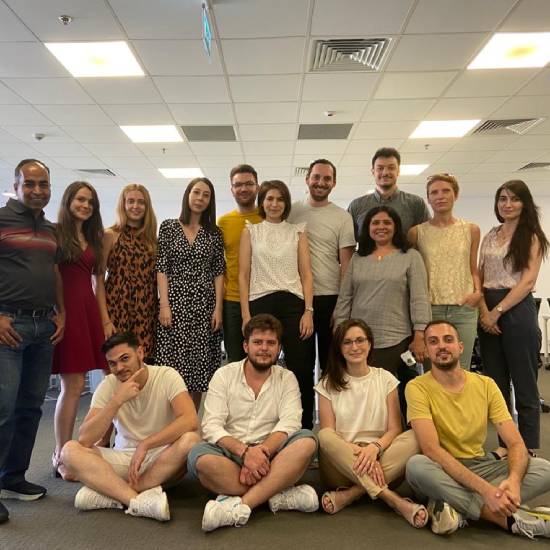
Allyis calls its community recruitment approach Greenshoring. It describes drawing talent from universities, veterans and minority development programs, then combining recruits with industry experts. The stated idea is to build competitive outsourcing teams using local talent and infrastructure.
That positioning sits alongside an international footprint. The company now lists locations in the United States, India, Romania and Costa Rica. Its U.S. address is in Redmond, Washington. The local emphasis describes how it wants to recruit; the office list describes where it can deliver.
Its community commitments also extend to waste reduction. Allyis reports King County workplace recycling recognition dating to 2010 and EnviroStars green business certification in March 2018. These are modest operational details, but more specific than a broad claim to being a responsible business.
What the $125 million bought
On December 31, 2021, Tech Mahindra announced the acquisition of Allyis India and Green Investments, the Allyis Group holding company. The filing specified up to $125 million, including employment-related and performance-related earnouts. The targets had generated $39.6 million in revenue in 2020 and employed more than 660 people at the time.
The buyer identified learning, marketing, instructional design, cloud, automation, analytics and technical support as capabilities the deal would strengthen. The range matters: the acquisition joined technical implementation to the work of explaining, operating and supporting technology.
A later analyst report hosted by Tech Mahindra describes another development: Allyis began building trust and safety services in 2016 through a custom project for an existing enterprise client. That practice expanded into content review, policy compliance and appeals. The report describes gaming moderation across text, images, audio and video, as well as advertising review.
Buy the work you need done
Today’s service menu includes engineering, digital experiences and HR solutions. The HR offering uses a build-operate-transfer model: Allyis builds a client’s team and HR organization, operates it, then transfers it. This is a business selling delivery capacity and expertise, rather than a self-service software subscription.
For a buyer, the practical distinction is scope. A narrow development assignment might suit a specialist consultancy. A temporary vacancy might suit a staffing agency. Allyis’s broader mix becomes relevant when the work continues across development, publishing, training and support, and somebody needs responsibility for keeping it moving.
Its older adoption guidance supplies a useful buying test: establish the problem, understand users, and plan for training. If the workflow is tiny, ownership is unclear, or the organization will not support adoption, adding a managed team may add expense without resolving the underlying issue. The question to bring to Allyis is specific: which recurring piece of work should your people stop having to chase?