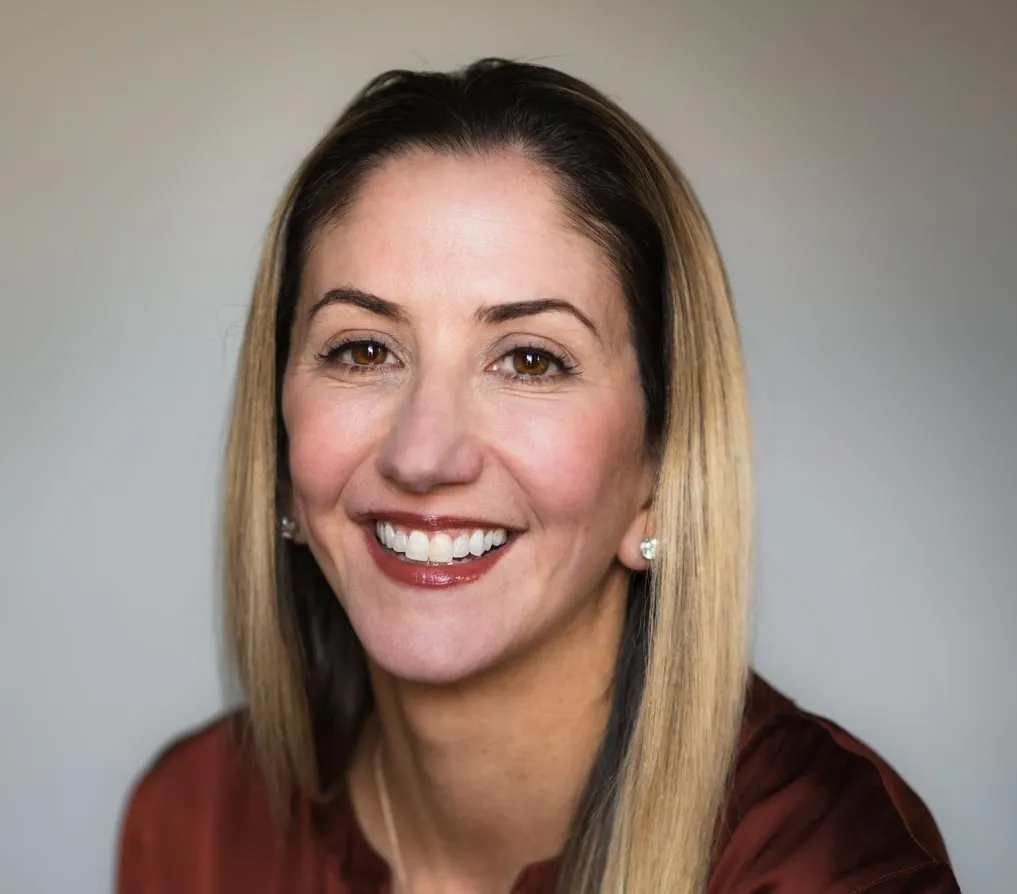
Three years, four products, one playbook.
The hire
When Aliisa walked into OpenAI, the lab had a research reputation and a commercial blank page. The org was still arguing whether selling to enterprises was a distraction from the mission or the only way to fund it. Aliisa was the answer to that argument. As the first commercial hire, she didn't inherit a quota - she invented one. She had to build the segmentation, the pricing surfaces, the deal desk, the security review responses, and the muscle to walk into a CIO's office with a product the CIO had read about in the newspaper but had no procurement framework for.
The contrast with her prior stops was the point. Mixpanel had taught her how to instrument a sales motion around product analytics. WalkMe had taken her through the gauntlet of public-company-readiness: the diligence, the disclosures, the discipline of forecasting in front of strangers in suits. OpenAI gave her a third education entirely - what happens when the buyer's appetite outruns every existing enterprise process. Including yours.
The launches
While she was inside, OpenAI shipped DALL-E, ChatGPT, ChatGPT Enterprise, and Sora. From a sales perspective each launch was a different beast. DALL-E was a curiosity that taught the buyer what generative meant. ChatGPT was the consumer wedge that gave every employee in every Fortune 500 a daily habit. ChatGPT Enterprise was the product Aliisa's team most directly carried - it had to make the same magic safe enough for legal, compliant enough for risk, observable enough for IT, and priced for procurement. Sora was the reminder that the platform underneath was still moving faster than any enterprise rollout cadence the world had ever seen.
Three years of that and a person learns specific things. She learned what objections die quietly in a champion's inbox. She learned which security questionnaires actually move and which ones are theatre. She learned the gap between what an enterprise believes it can deploy and what it can actually push to production - the gap she would later say, on the record, that she is most excited to help startups close.
The pivot
The pitch from Lauren Kolodny took. Aliisa joined Acrew as a General Partner with a remit pointed at AI-native companies reshaping enterprise software. Her early thesis, expressed in interviews, is unfashionably concrete: the moat in AI products will not be the model weights. It will be context. Whoever owns, curates and adapts the context layer for an enterprise will own the relationship, the renewal, the expansion, and the budget line. There is also, in her view, room for lighter, cheaper models that compete on inference cost. And then there is the application layer, which she calls out as the place she most wants to write checks.
None of this is novel as a slide. What is novel is that it comes from somebody who watched enterprise buyers say yes and no to AI at the table for three years, in real time, with real money.