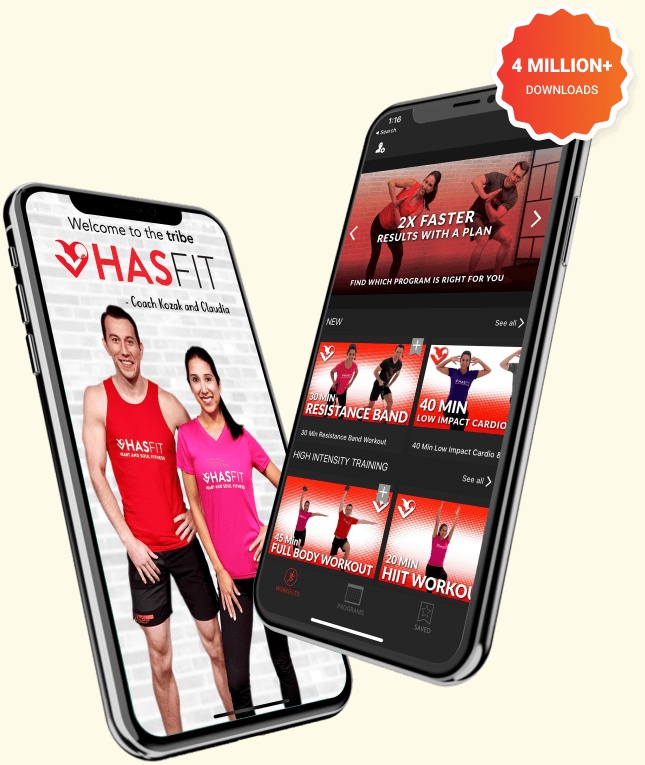
In 2013, HASfit already had something a startup might spend years trying to acquire: an audience. According to Agicent’s account, the fitness channel had a million-user base when the two businesses first connected. The problem was what to do with that attention. A video could demonstrate a workout. A software product could help someone find it again, build a routine around it and return tomorrow.
- Agicent builds custom mobile and web software for startups and established businesses.
- Its work includes fitness, teacher networking, telemedicine and AI marketing products.
- Buyers can commission a project, add engineers or bring in technical leadership.
Agicent’s first HASfit version reproduced the website and video channel in app form. The company describes a subsequent system with native iOS and Android interfaces, a backend and an administration console. That last component is easy to overlook. Somebody has to manage the videos after the developers have finished their presentation.
The interesting question is how much of a business an app developer needs to understand. Enough to draw its screens? Enough to connect its database? Or enough to notice that the person publishing tomorrow’s workout needs a usable tool too?
The expertise is already in the room
Founded in 2010 by Sudeep Bhatnagar and Surendra Patle, Agicent describes itself as an outsourced development company for technology startups, growing app publishers and enterprises. Its own company page places its headquarters in India; its listed development address is in Noida. It also maintains US locations. Geography helps explain the delivery model, but the portfolio tells you more about the work.
Take ApplePie. Its premise is a social network for teachers, with space to connect, share lessons and promote a Teachers Pay Teachers store or a blog. Those details matter. A teacher’s professional identity can include a classroom, a resource business and a community of colleagues. Building for that person requires more specificity than adding a profile picture to a generic social feed.
Aiko & Egor presents another problem. Created by California nonprofit See Beneath, its simplified underwater animation is intended for children with autism to watch alongside family members. Agicent lists conceptualization, design, development and maintenance among its services on the project. Here, the purpose of screen time shapes the product: shared attention, rather than another stream to scroll through alone.
“Agicent makes App Development process painless with their industry knowledge, attention to detail and a professional step-by-step development system.”Joshua Kozak, HASfit founder, in a company-published testimonial
Three ways to buy the missing piece
Agicent sells several kinds of help. A founder can commission a defined software project. A company with an existing engineering operation can add developers. A startup without senior technical leadership can use its fractional CTO service. These arrangements solve different organizational problems, even when the same programming languages appear in the proposal.
Its staff augmentation offering describes dedicated teams, individual remote developers and temporary project extensions. Its fractional CTO page advertises an approximate rate of $50 an hour and outlines work such as feasibility assessment, architecture and technology selection. That is a published service rate, not an estimate for an entire app.
The distinction is useful when comparing alternatives. An in-house hire, a freelance team, a development agency and a no-code prototype each place different demands on the buyer. Agicent’s proposition combines design and implementation with continuing support. Whether that combination is valuable depends on which responsibilities the customer can already handle.
The price is attached to a problem
Historical client interviews on Clutch offer two concrete reference points: an Apple Pie founder reported spending around $12,000; a Bluetooth middleware client reported roughly $50,000. These were different engagements, reported at different stages. Neither number is a current quote. The middleware client said the project ran longer and cost more than expected, attributing the delay to their own side.
The same review collection contains a revealing rescue story. Goals4Glory’s founder said three earlier developers had left the fitness app pieced together. Agicent reviewed the code, identified errors and agreed a plan. The founder described research and repeated conversations before choosing the company. Confidence returned through examination and communication.
For a buyer, that suggests a practical starting point: bring the existing code, unresolved decisions and a precise description of the broken behavior. Ask for a diagnosis before asking for a launch date. A polished proposal cannot substitute for knowing which part of the product needs repair.
AI still needs somewhere to put the data
Agicent’s newer portfolio includes Scowtt, a predictive sales and marketing platform. Agicent says it joined as the product design and engineering team in mid-2024 and delivered an MVP in four months. Its account describes CRM data ingestion, predictive scores and interfaces that let business users act on those scores.
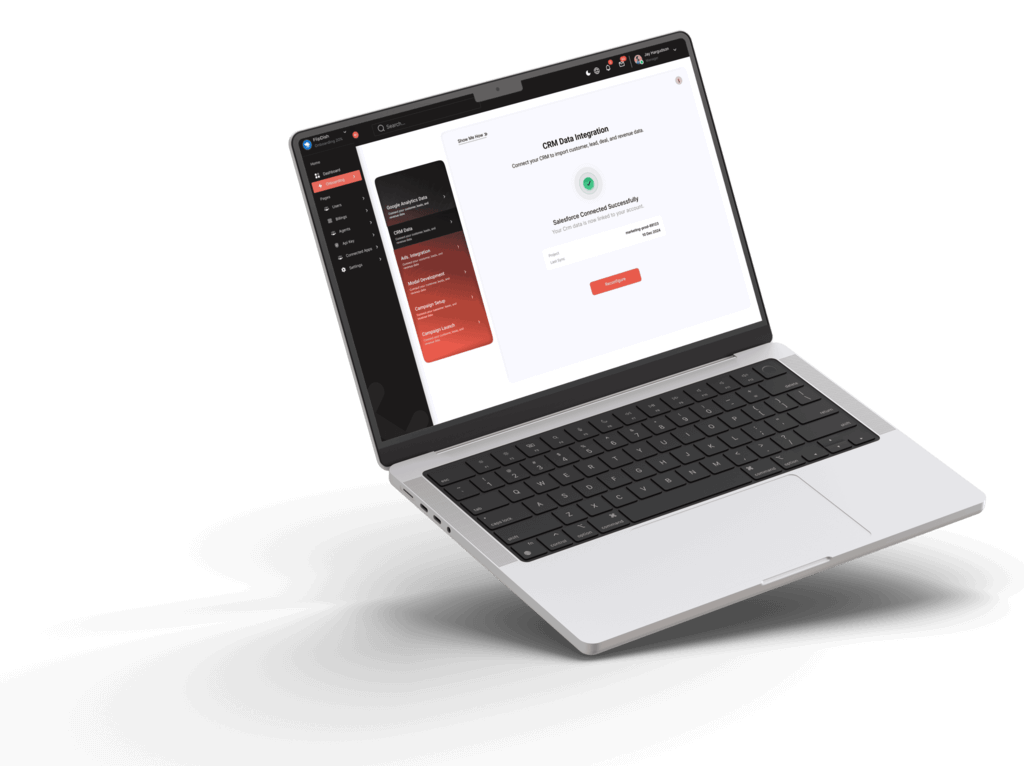
Scowtt announced a $12 million Series A in December 2025, led by Inspired Capital. That investment belongs to Scowtt. Agicent’s role, as described in its case study, was engineering the product around Scowtt’s models. The distinction helps keep a useful story honest: a development partner can contribute to a funded company without owning its technology or receiving its investment.
Start with the return visit
Agicent’s MVP offering gives customers a way to begin with a smaller release. Its maintenance services acknowledge that release day creates another set of responsibilities. Consider MediOrbis, the telemedicine product in its portfolio: connecting someone to an appropriate practitioner involves a workflow, not merely a video-call button. Every additional step needs a clear owner.
The lesson a founder can copy is to define the return visit before approving the first screen. What will bring someone back? Who updates the content? Which decision will the first version help you make? If the product’s purpose remains unsettled, or nobody can review work regularly, outsourcing adds another coordination problem. Agicent can supply engineering. The customer still has to decide what deserves to be built.
Follow the work
Explore Agicent, its project portfolio and development blog. Follow the company on LinkedIn, X, Instagram and Facebook. Read Bhatnagar’s interview recap and Scowtt’s funding announcement.