A hotel room looks like a simple purchase until the person sleeping in it is part of an airline crew. Then the reservation belongs to a moving system: a schedule, a pickup, a changing assignment, a bill. Move one piece and several other people need to know. The bed stays where it is. Everything around it can change.
- API connects crew accommodation planning, hotel bookings, ground transport and reconciliation.
- Airlines buy the service; crews experience it through rooms, rides and MyCrewCare.
- Its useful trick: carry the operational record all the way into the invoice.
Accommodations Plus International, usually shortened to API, works inside that problem. Its customers include airlines and operators in rail, cruise and sports. They need travelers housed and moved, repeatedly, while the underlying plan keeps changing. API combines software with sourcing specialists and operational support. Its promise becomes most interesting at the point where one department hands a task to another.
The reservation is only the beginning
Tony Kamel founded API in 1984. By the June 2025 announcement of its acquisition by Haveli Investments, the company reported more than 85 airline, cargo, rail and cruise clients, with over 6,000 hotels and service partners across more than 700 cities. Those figures describe a working network. They should be read separately from the much larger property universe advertised in hotel sourcing materials.
That distinction explains something about the business. Finding a property in a database is one task. Agreeing terms, checking its suitability, arranging transport and handling changes are several more. API’s sourcing service includes market research, hotel inspections, contract negotiation and risk assessment. It retains inspection documents and photographs. A room is a physical place, however elegant the software used to reserve it.
JetRFP handles hotel proposals. Insight + supplies dashboards and reports. Hotel Express offers self-service hotel booking for corporate and leisure travel. The central operational product, ACES, connects crew planning, day-of-operation changes, hotel confirmations, arrival validation and accounting. API says it automates more than 95 percent of transactions. That is a company claim about transactions, rather than a guarantee that every difficult layover runs itself.
One change, several destinations
Consider the handoff between a crew scheduling system and a hotel booking system. If an assignment changes, the accommodation requirement may change too. In 2021, API announced a bidirectional connection between ACES and Jeppesen Crew Tracking. Reservation updates could travel back into crew tracking, while changing crew plans could reach ACES. Crew members would be notified as their arrangements changed.
- 01Schedule changesCrew system → ACES
- 02Rooms + rides updateReservations follow the plan
- 03Crew gets the detailsItinerary + transport information
- 04Trip data reaches billingValidated records → invoice
The point is easy to miss because integration sounds like plumbing. Yet a correct reservation sitting in the wrong system is of limited comfort to someone waiting outside an airport. API’s expertise sits at this intersection: airline planning, hotel procurement, ground transportation and the software needed to keep them talking.
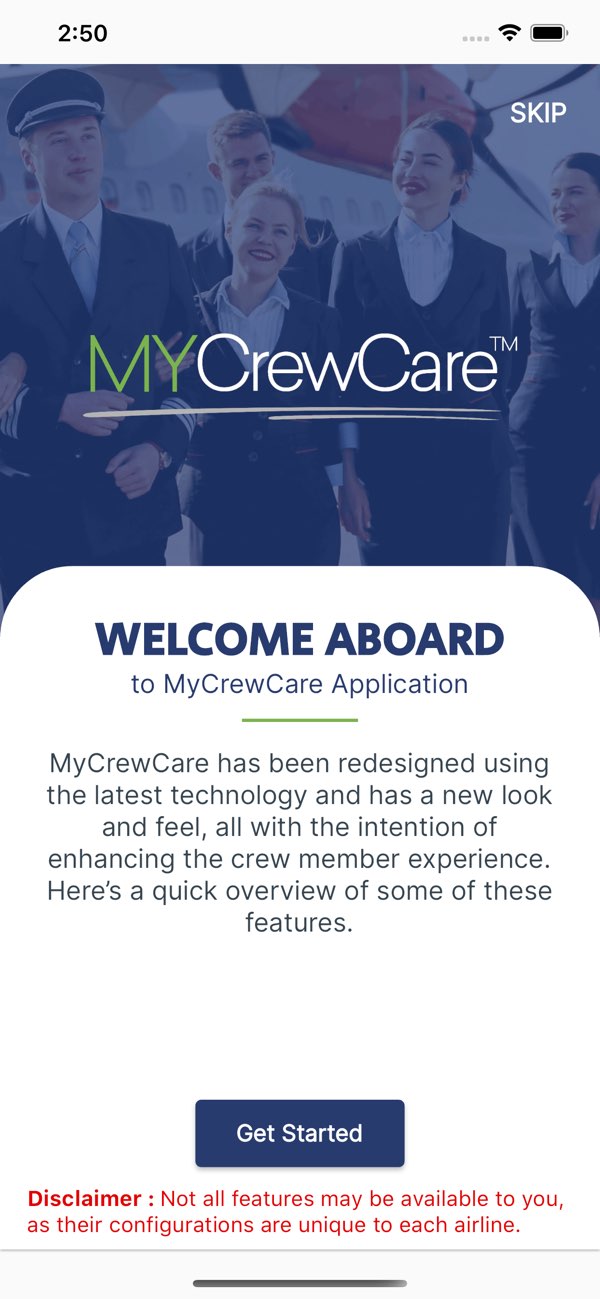
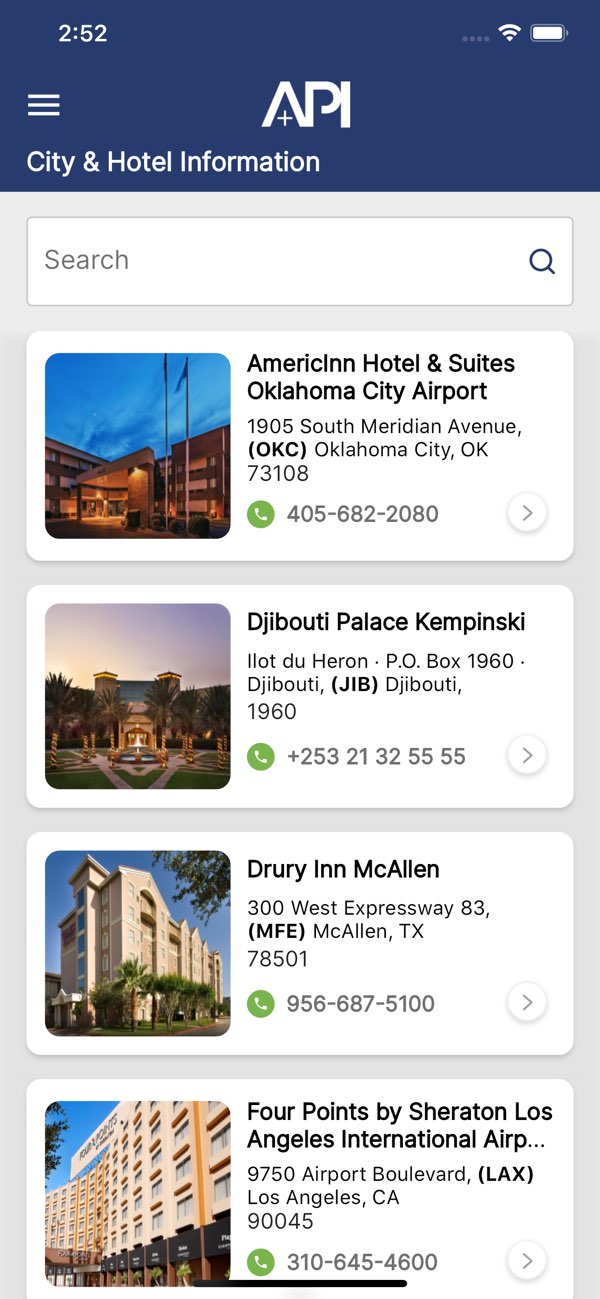
MyCrewCare brings the arrangement onto the traveler’s phone. Crew can see itineraries and hotel details, check transportation information and submit feedback. The ground transport feature lets them signal that they are ready. CancelMYRoom allows a crew member with alternative accommodation to release a booked room. Available features depend on the airline’s configuration.
The bill travels backward
The accounting detail is particularly revealing. API calls its method reverse invoicing. Instead of treating the supplier’s bill as the starting point, eINVOICING uses validated records in ACES to create the invoice submitted by the provider. Contracted discounts, terms and tax rules can be applied to the underlying trip data.
That changes where the checking happens. The reservation, the stay and the financial record are meant to remain connected. An attractive hotel rate has less value if the final bill ignores its terms. For an operations buyer, this makes reconciliation part of the accommodation decision, alongside room availability and crew communication.
“We will continue to invest in technology solutions and people that add value to our clients and partners.”
Richard McLeer · 2018 investment announcement
API sells this combination to businesses: accommodation technology, procurement and managed operations. Its hotel relationships also give properties access to recurring crew demand. The commercial logic is mutual dependence. Operators need dependable rooms; hotels can benefit from baseline occupancy. Both need the reservation and payment record to make sense.
The passenger joins the loop
The same coordination problem appears when a passenger’s journey breaks down. DPAX supports hotel booking, electronic vouchers, virtual card payments and traveler communication, backed by round-the-clock operations. Its October 2024 Uber for Business announcement added rides through Uber’s Guest Rides interface, letting airline staff arrange transportation and review ride history within DPAX.
The recent agreements show the two sides of API’s market. In May 2026, it announced selection as crew accommodation technology provider across IAG airlines. A June agreement covered crew accommodation support for Thai Airways. In August, Copa Airlines selected DPAX for passenger disruption recovery. These announcements describe intended workflows and scope; they are not measured savings reports.
A useful business in the handoffs
API competes with specialists including TA Connections and HRS Crew, which also connect lodging, transport and operational systems. Its case rests on the combination of its own platforms, supplier relationships and service teams. Haveli’s 2025 acquisition followed investment from ClearPoint and Invus in 2018, when Richard McLeer became CEO. The stated direction has remained investment in technology and expansion.
There is a practical lesson here for anyone managing repeated purchases against a changing schedule: make the operational record useful to the person paying the bill. Accurate feeds, correct contract rules and available rooms still matter. Software cannot conjure hotel inventory during a disruption. But fewer disconnected records give the people handling exceptions a better place to start. The room key is a small object. Keeping everyone’s version of the night aligned is the larger job.