William Tu once tried to rescue a clothing business by taking its stock to a stall in rural northern Jiangsu. The clothes had struggled online. They struggled there, too. A different place to sell them did not produce a different answer. It is a useful episode to keep in mind when meeting the founder of Good Driver Club: before he asked drivers to reconsider a familiar expense, customers had given him some fairly direct feedback about his own ideas.
Today his business revolves around another purchase people would prefer to spend less time thinking about. Good Driver Club brings careful drivers together to share eligible vehicle repair costs. Tu’s invitation is to look closely at the spending, retain money that goes unused, and understand the connection between one member’s damaged car and another member’s contribution.
There is an appealingly unglamorous object at the center of this venture: the receipt. Plenty of companies would like a customer to admire the app. Tu’s company also wants the customer to examine the invoice.
A bargain is a theory until somebody buys it
Tu arrived at entrepreneurship with experience in businesses that take consumer decisions seriously. He worked at Procter & Gamble, then at McKinsey, and moved into venture capital at Capital Today. He earned a bachelor’s degree at Nanjing University and an MBA at Stanford Graduate School of Business. His career crossed sales, consulting and investment before he became responsible for persuading customers on his own account. His six years at Procter & Gamble included sales and marketing work. At McKinsey, his assignments covered automotive, financial services and consumer businesses, with work on strategy, mergers and acquisitions, operations, and companywide change.
At Yizhedian, the discount clothing venture he co-founded, he described a retail business buying inventory outright. The practical problem was how to make low prices apparent to shoppers. In a 2012 interview, he explained that photographing many styles in tiny quantities made each photograph expensive. A bargain could be difficult to present attractively without spending away part of the bargain.
The detail is wonderfully awkward. Selling inexpensive clothing still requires somebody to make the clothing look worth buying. The arithmetic on the purchasing side does not automatically communicate itself to the person on the other side of the screen.
That problem gives his later work a recognizable thread. When the benefit depends on understanding how money moves, explaining the arrangement becomes part of operating it. A cheap price can attract attention. Customers still need to understand what they are looking at.
Fifteen years without a claim
Tu’s account of his own driving supplies the personal irritation behind Good Driver Club. For 15 years, he says, he paid roughly $3,000 a year without making a claim. His company puts the value of his car at $15,000. The annual payment was one fifth of that value. It was a comparison liable to make even a patient customer reach for a calculator.
Paying for protection without needing it is an ordinary outcome. Tu’s dissatisfaction concerned the relationship between his record, his bill, and the spending behind that bill. The cost was visible; the explanation felt remote. His proposed answer would let a member see individual events and the expenses associated with them.
An earlier venture took him into used cars. After leaving Youche.com in 2015, he initially considered the automotive aftermarket, including parts. Research brought him up against a practical difficulty: a vehicle has thousands of components, and a young company would struggle to supply the range repair shops needed. He moved toward driver mutual aid instead. That turn makes his current emphasis on operations easier to understand. The automotive market had already presented him with a problem that a tidy description of demand could not solve.
His interest in drivers helping other drivers predates the U.S. club. He founded Hive Auto Mutuality in 2016. His public career record later dates his Good Driver founder role to 2019, while the U.S. company’s own chronology places its establishment in 2022. These are separate milestones in a longer interest, rather than a single sudden conversion.
There is a difference between noticing an irritating bill and returning to the same question across ventures. Tu’s career has done the latter. The object of attention has become quite specific: careful drivers, the cost of repairing their vehicles, and the rules by which they might share that cost.
Someone who knows the repair desk
In 2022, Tu met David Clark, an auto claims veteran with more than three decades of experience. Clark had worked in leadership roles at major U.S. insurers. He knew the process from inside, including the distance between an abstract model of costs and the practical work surrounding a damaged vehicle.
The connection matters because Tu’s business needs both kinds of knowledge. A founder can propose that members share actual losses. Someone still has to understand the repair, the estimate and the documents. A dent is indifferent to the elegance of the business model.
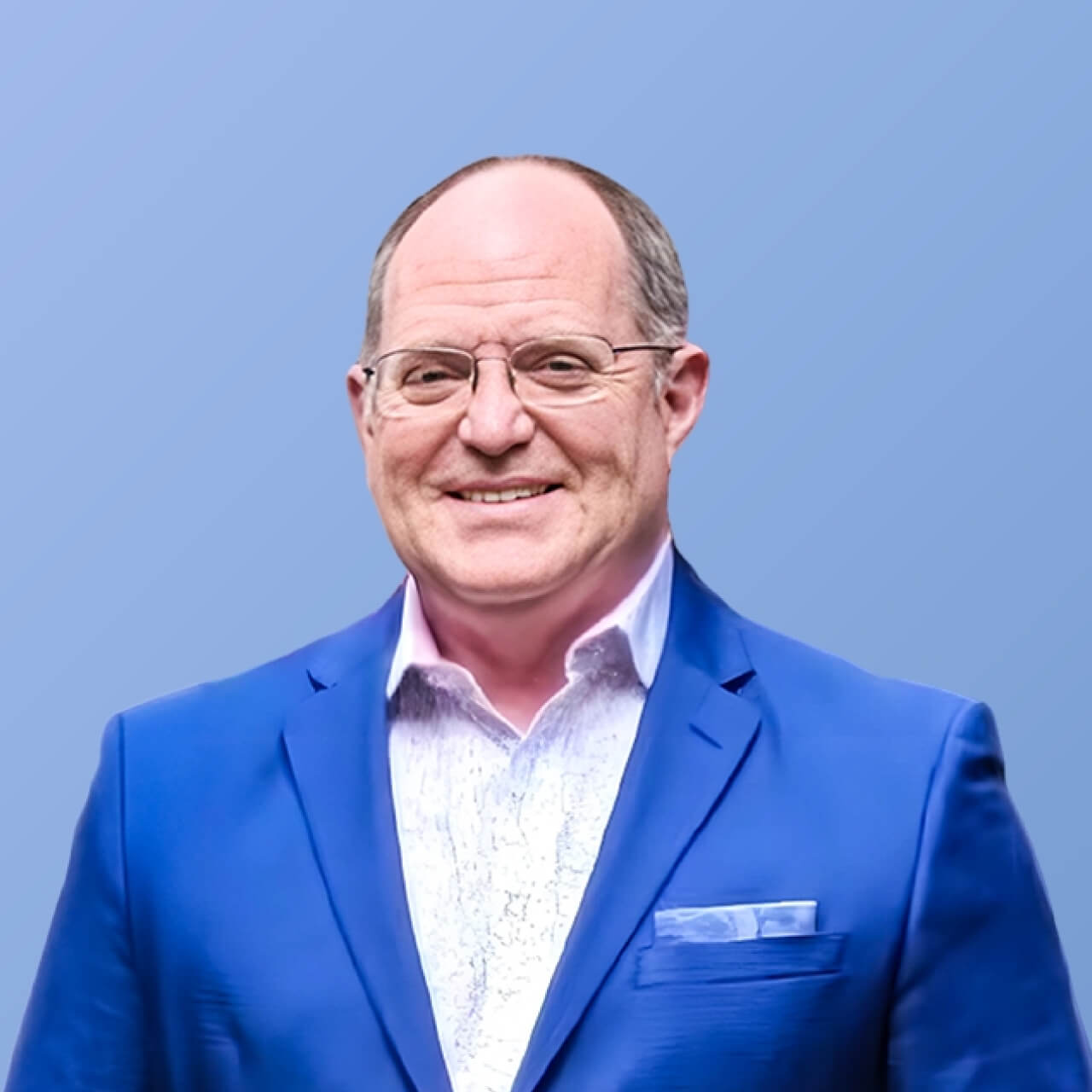
Clark now serves as vice president of service operations. Tu’s leadership team also includes Clint McKinlay as president of sales. In discussing McKinlay’s arrival, Tu emphasized practical judgment and the ability to explain the service, bring people into it, and build a team capable of supporting growth.
Those are revealing priorities for a founder selling an unfamiliar arrangement. Every explanation has to survive a follow-up question. Every new member eventually encounters a real process. Tu’s task includes assembling people who can make the promise intelligible and then carry out the work behind it.
Monday, with supporting documents
The club’s weekly rhythm makes Tu’s interest in visibility concrete. Eligible events are published on Monday, with details and supporting records. Related repair costs are shared the following Monday. Members receive email updates and can inspect the events in the app, including photographs, invoices and other documents.
“Too many systems ask people to trust a black box.”
William Tu
The interval is part of the design. Publication comes before the associated sharing. A member can look at what happened before seeing its cost allocated. The product asks people to engage with a sequence rather than accept an unexplained total.
Members can review events and track repair progress in the app.
In the April 2026 redesign, the company made plan information, sharing requests and repair tracking easier to follow. The app also displays the material behind weekly events. For Tu, the interface has to do more than introduce the club. It has to help a member understand participation after joining.
That creates a continuing obligation. A business promising visibility needs details that remain readable when somebody is annoyed, busy, or worried about a car. The invoice cannot merely exist somewhere. A member needs a reasonable way to find it and understand why it matters.
A shorter name, a clearer invitation
In April 2026, Good Driver Mutuality became Good Driver Club. The earlier name described the structure. The new one put the people participating in it closer to the front. Alongside the name came a refreshed identity, an updated website and app, and simpler onboarding.
A club is an easy thing to picture. It has members. They have something in common. There are rules about joining and obligations after entry. Mutuality takes a little longer to explain over dinner, by which time someone may have changed the subject.
Tu described the renamed business as a place for the drivers the community was built to serve. That emphasis fits his problem: recognition has to be understandable to the person being recognized. A careful driving record is personal. A financial mechanism can feel impersonal even when it has been designed around that record.
The company also became a corporate sponsor of End Distracted Driving, which announced the partnership in May 2025. That connection extends its interest beyond the repair transaction into driving education and awareness. The organization’s school and community presentations give the company’s stated interest in safer driving a setting outside its own app.
The money that stays put
At enrollment, members pay a 20% service fee. The remaining 80% stays in their accounts until required for eligible repairs. Unused money remains with the member. The distinction between the fee and the retained pledge is central to understanding what Tu is offering.
Service fee
Runs the club.
Member-held pledge
Available for eligible repair costs. Unused money stays with the member.
The boundaries belong in the explanation. Good Driver Club is a cost-sharing community, not an insurance company. Members retain liability insurance. Sharing does not guarantee payment, and the amount a member keeps depends on what the community spends. An 80% retained pledge is not an 80% saving. Confusing those figures would undo the clarity Tu says he wants.
By April 2026, the company reported more than 5,000 completed plans and over $1.5 million in collective member savings. Those figures describe the company’s reported experience at that point. They do not tell an individual driver what a future plan will cost.
Tu’s aspiration is that careful driving should produce a benefit people can recognize in their own finances. The practical expression of that ambition is modest enough to examine: a published event, a documented repair, a contribution, a balance that may remain in the account.
His earlier retail problem was how to let customers recognize value before buying. The current one continues after they join. Each week gives them another opportunity to inspect the arrangement. Tu has built himself a business in which the explanation keeps coming due. Monday is already on the calendar.