There is a peculiar delay at the center of American credit. You pay a bill today. The evidence may arrive later. Your lender sends information to a credit bureau on its own schedule, and the number you care about catches up. WalletHub has built a business around making that waiting room useful.
The story in three moves
- Check: free daily credit scores, reports, and monitoring.
- Act: credit guidance, comparisons, and money-management tools.
- Follow the money: advertising supports free access; subscriptions buy additional features.
The company checks for fresh TransUnion information every day. Creditors, WalletHub explains, typically report about every 30 days. Those two clocks are easy to confuse. Daily access cannot make a bank send tomorrow’s data today. It can shorten the interval between a change reaching your file and your noticing it. That is a modest promise with a surprisingly large product attached.
Before the dashboard, a crowd
When WalletHub emerged from beta in August 2013, its launch announcement described a personal-finance social network. Consumers could review more than one million financial companies, professionals, and products. They could ask questions and compare experiences. The release offered a familiar analogy: Yelp, applied to personal finance. A mortgage broker would finally have somewhere to collect the digital equivalent of a restaurant review.
Founder Odysseas Papadimitriou had spent almost eight years at Capital One before starting CardHub and, later, WalletHub. He knew financial products from the seller’s side. In a 2017 TIME interview, he described the ambition as to “build the brain of a financial adviser.” The interesting word was brain. A directory could organize choices; an adviser would have to connect those choices to a particular person.
By early 2016, contemporary reviews documented WalletHub’s free daily scores and reports. That June, Papadimitriou announced its mobile app. The product now had a recurring reason to exist on someone’s phone. A review helps when you are shopping. A credit alert can matter on an otherwise ordinary Tuesday.

The useful part is the next move
WalletHub serves U.S. consumers who want to understand their credit, compare products, or get household finances into view. The company says millions of consumers use it. That broad description includes several distinct jobs: checking for an unfamiliar account, evaluating a card, or following a debt-payoff plan. A person can arrive for a number and stay for an explanation.
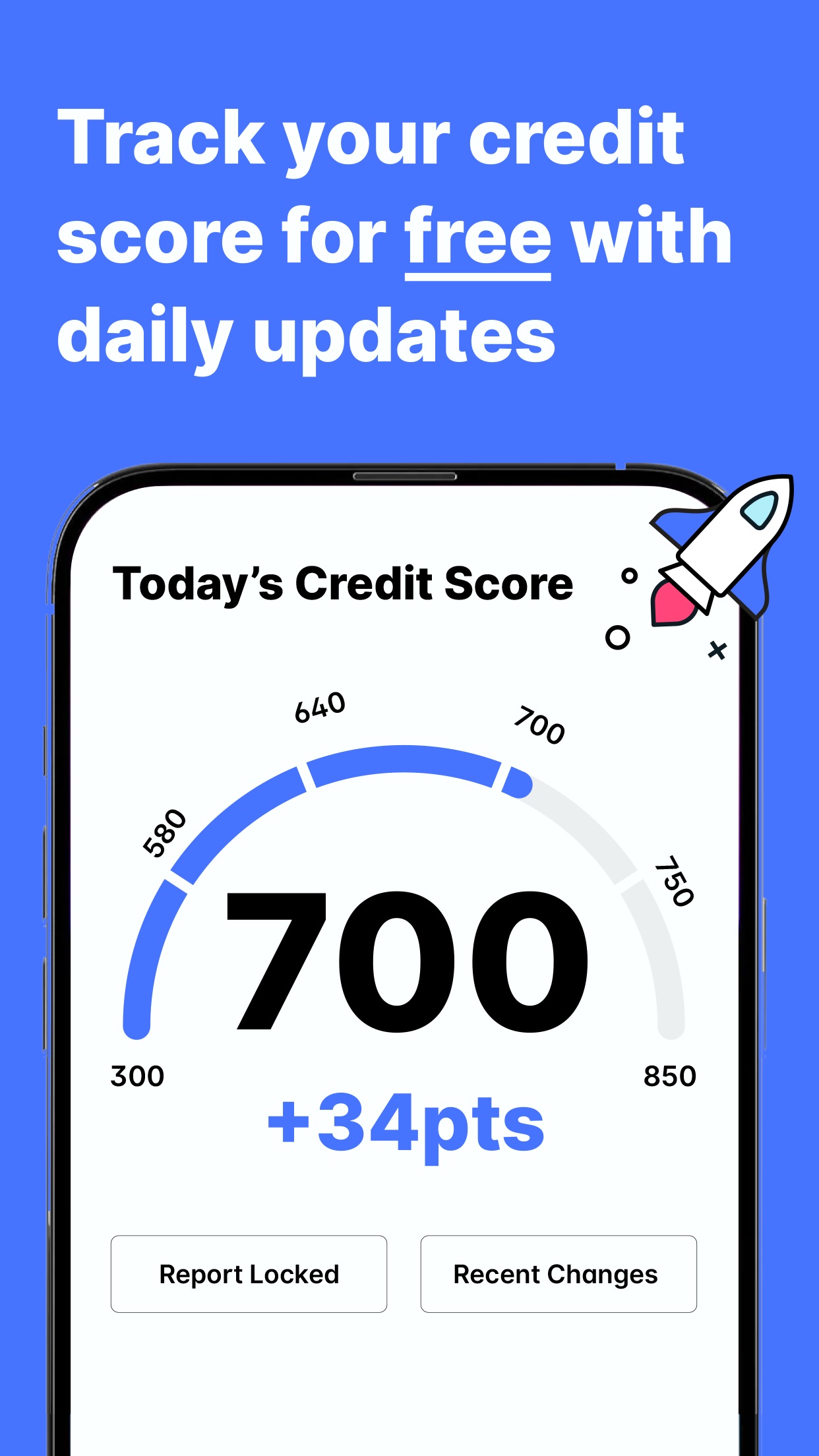
The credit score shown is VantageScore 3.0, calculated from TransUnion information. Checking it is a soft inquiry, so looking does not lower it. WalletHub adds credit analysis and a simulator for exploring hypothetical changes. The simulator lets a user rehearse a decision before making it. Its output remains an estimate; a lender can use another model, another bureau, or other approval criteria.
One file. Two clocks.
A creditor’s typical reporting cycle
WalletHub’s refresh cycle
A fresh check can return the same information.
Alongside the credit tools sit card and loan comparisons, calculators, consumer reviews, and financial explainers. WalletHub’s expertise is partly editorial: writers and researchers turn complicated terms into something a shopper can examine. Its public identity therefore stretches across credit monitoring, comparison shopping, and personal-finance publishing. Each supplies a different reason to visit.
A sensible first visit starts with the report beneath the score. Check whether the listed accounts belong to you, then look at what changed. WalletHub offers a full-report view and a timeline of major changes. The number is a headline; the underlying file contains the explanation. A surprise is more useful when you can trace it to a particular entry.
Free has a business model
The free service is supported by advertisers. WalletHub discloses that qualifying clicks, approved applications, or opened accounts can generate compensation. Advertising affects where offers appear and how prominently they appear. The company also says its editorial evaluations operate independently, with commercial information excluded from the internal reports editors use. Offer placement and an editorial verdict are different parts of the page. Readers benefit from recognizing both.
Subscriptions add another payer: the consumer. WalletHub publicly confirmed Premium and Premium+ in January 2024. The paid proposition now includes automatic account syncing, budgeting, subscription management, portfolio tracking, and identity-protection features, depending on the plan. One current official comparison advertises Premium at $7.99 a month, billed annually. Apple lists multiple purchase variants, so the checkout price depends on the offer and billing route.
That expansion puts WalletHub into overlapping markets. Credit Karma is an alternative for credit tools; NerdWallet for financial comparisons. Budgeting subscriptions such as Monarch Money and Rocket Money compete for the recurring money-management relationship. WalletHub’s pitch is the combination. Whether the combination earns its subscription depends on which tools someone actually uses.
Then the search bargain cracked
In August 2025, WalletHub made an unusually revealing distribution decision. It said it had blocked Google and other search engines from accessing 40,000 pages, leaving that material available through free accounts. Papadimitriou argued that AI systems were copying content without providing the traffic and revenue needed to sustain it.
“Impossible to invest in content when theft is allowed.”
Odysseas Papadimitriou, quoted by The Desk, August 2025
That was the company’s allegation. The decision illustrates a real strategic tension: WalletHub uses AI in its own tools while objecting to how other AI products obtain information. The distinction concerns who controls the material and who gets paid. Free registration preserved consumer access while putting an account between the publisher and automated discovery. It also risked sacrificing search visibility.
The reversal also brings the original social-network idea back into view. In 2013, WalletHub wanted people to contribute experiences and gather around financial questions. In 2025, it asked people to enter through an account to reach part of its information. The reasons differed, but both approaches put a direct relationship with the reader at the center. That relationship becomes more valuable when a search engine can answer a question without sending someone to the page that helped answer it.
Copy the habit, read the limits
The transferable idea is straightforward: pair information people need with a concrete next action. Give them a reason to come back when their circumstances change. WalletHub’s daily check, explanation, and suggested response form that loop. The design lesson is useful well beyond finance.
The boundaries matter just as much. A refresh depends on upstream reporting. A simulated score cannot guarantee credit approval. An alert still needs attention. WalletHub describes itself as a fintech company rather than a bank or credit repair service; its tools do not erase accurate negative history. A dashboard can make a problem visible. The person looking at it still has to decide what happens next.