The first thing to fail was a piece of the building. In June 2020, exterior ceiling soffits collapsed at Lynwood High School’s Imperial campus. Inspections followed. So did a much larger problem: students and staff would need somewhere else to go. The district’s reconstruction account describes the decision to relocate them to a campus on Bullis Road after investigators determined that the damaged structure required rebuilding.
A school move sounds like an address change until you follow the consequences. High school students need classrooms suited to high school. Middle school students need new placements. Younger children may have to stay at elementary school longer. Every adjustment produces another household with another question. Where does my child go? What is safe? What will be ready when classes start?
In early 2021, Lynwood Unified brought in VMA Communications to help explain the changes. The firm hosted virtual information meetings and question-and-answer sessions, then produced construction updates, email bulletins, videos and social posts. Its account of the assignment is a useful introduction to a business whose output includes something less photogenic than a campaign launch: a parent understanding the next step.
A reporter’s instincts, a public meeting’s patience
VMA’s founder, Valerie Martinez-Bencomo, had been a Southern California newspaper reporter and ran the California Latino Legislative Caucus in Sacramento during the mid-1990s. She started the company in 1996 as a one-woman operation in Montebello. Those earlier occupations help explain the combination visible in the firm today: a concern for how information travels and experience with how public decisions get made. Her career and the company’s origins are described in VMA’s history.
The company’s stated approach is multilingual and multicultural. It emphasizes adapting outreach to people’s histories, daily needs and cultural experiences, and developing staff from underserved communities. That is a practical position for work involving residents who may share a postal code without sharing a language, schedule or relationship with government.
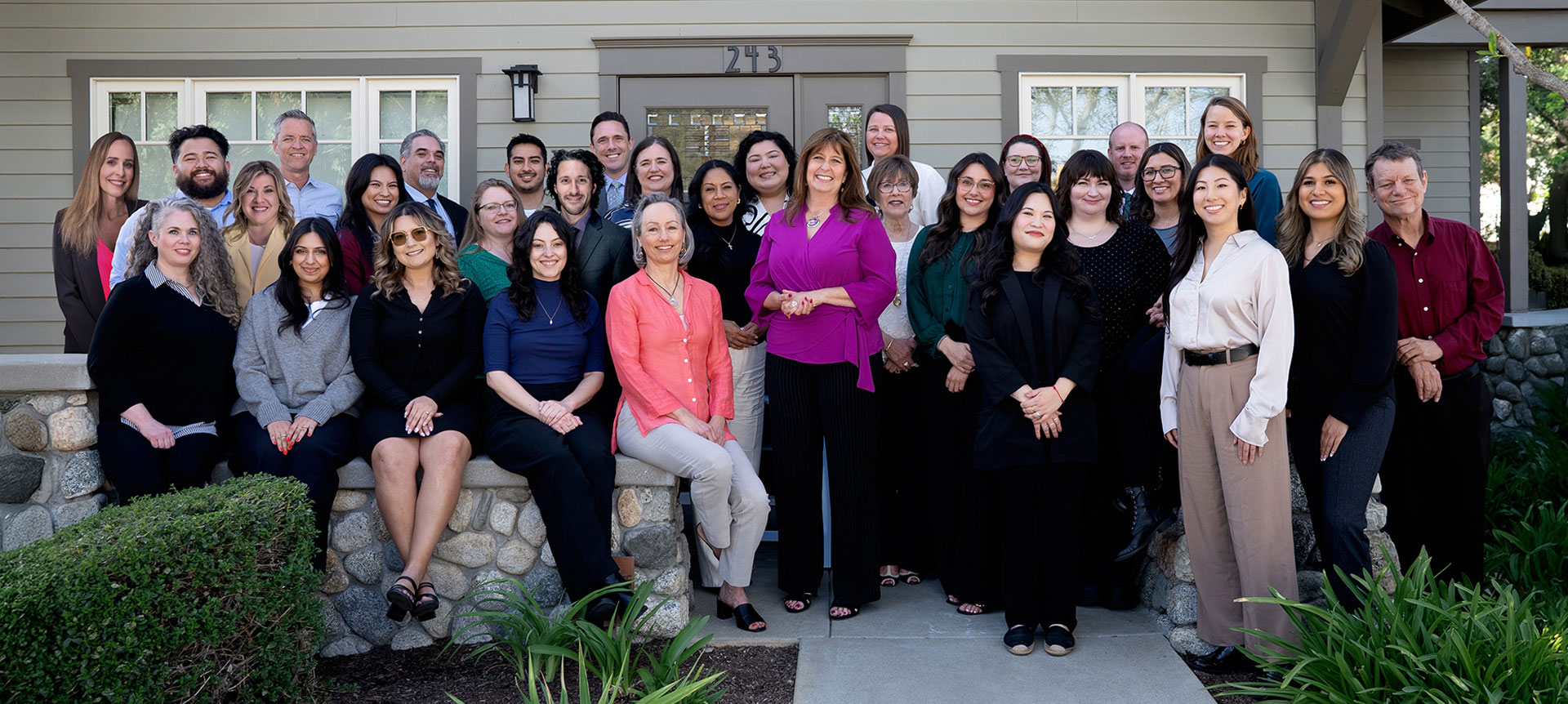
The leadership roster includes separate responsibilities for public affairs, community engagement, content and production, design, and contract administration. Martinez-Bencomo is President and CEO; the firm says she personally oversees strategy. The organization suggests the breadth of the assignment: someone must work out the message, someone must make the materials, and someone must make sure the engagement can actually be delivered.
“We help communities move forward with trust and transparency, while making final projects stronger.”
VMA’s description of its community engagement work
The $66,000 choice
A particularly revealing description of VMA comes from a prospective buyer. In February 2026, Tri-City Mental Health Authority staff recommended the company for a four-month recruitment marketing assignment. The proposed scope combined strategy, a recruitment video and shorter clips, digital advertising, and a mobile-friendly recruitment landing page. The quoted amount was $66,000.
Two other finalists quoted less. Staff’s evaluation cited VMA’s proximity to the communities served, relevant references and in-house capabilities. It is a concrete example of the firm’s market position: a service business selling judgment, production and local understanding together. The document records a recommendation for this specific scope, rather than a general price list or a completed campaign.
For a buyer, the useful question is which parts of the job need to stay connected. An attractive video and a working recruitment page belong to the same assignment. Choosing and coordinating separate suppliers takes work, too.
Twenty minutes with the fifth grade
For Los Angeles County Waterworks Districts, VMA faced a different audience. The agency wanted fifth graders to understand local water supply and conservation. VMA developed a 20-minute interactive presentation with age-appropriate illustrations and activities, alongside arrangements with teachers in eight targeted school districts. The program included tests before and after, plus teacher review forms.
This is an unusually useful detail in a communications portfolio. It puts a question beside the act of publishing: did anybody learn? A fifth grader can sit through a colorful presentation and retain very little. The testing makes understanding something the program can examine.
The transferable idea is simple enough to try in an ordinary organization. Pick the thing the audience should understand, ask about it before the explanation, then ask again afterward. The measures should fit the task. A water lesson invites a knowledge check; a recruitment campaign needs to examine whether the people responding fit the roles.
Give the engineer someone to talk to
Infrastructure outreach adds another requirement: the audience may have information the project team needs. VMA says its Delta Conveyance work included facilitating conceptual design meetings between engineers and a 20-member stakeholder committee. It prepared material that translated technical information into accessible language and says the discussions contributed to refinements intended to reduce community impacts. Its case study places explanation inside the design conversation.
That is a more demanding assignment than announcing a finished plan. The method depends on people having something meaningful to discuss and a project team able to respond. A well-run meeting cannot make an unchangeable decision participatory. Buyers should decide what feedback can affect before they ask anyone to spend an evening supplying it.
For Metrolink’s SCORE program, VMA’s work took a more visible form: branding and messaging carried into fact sheets, flyers and social posts. Its portfolio describes preserving visual continuity with earlier materials. Familiarity has a job here. Residents should be able to recognize that several separate notices concern the same public undertaking.
Seven hours in the future of mobility
VMA also works for commercial clients. During the pandemic, Ricardo North America wanted to reintroduce itself under new leadership. VMA organized a seven-hour virtual Mobility Summit with more than two dozen speakers, mixing live and recorded segments, executive discussions and product demonstrations. The company says its work included a microsite, advertising, video production, email and social outreach, plus arranging an Automotive News partnership.

VMA reports more than 3,500 microsite page views in the first week and more than 1,500 new business leads from the event. Those are the agency’s reported results. They describe attention and prospective business; assessing commercial return would require following those leads through the sales process.
Its Claremont Lincoln University assignment used another combination: branded materials and testimonial videos supported by Google and LinkedIn advertising. VMA reports millions of impressions and thousands of clicks in that campaign account. Across these projects, the firm supplies the materials and the means of getting them in front of a chosen audience.
The question after the announcement
Education remains a particularly distinctive part of VMA’s practice. Through California School News Report, it distributes district stories and photographs. Its service description includes ready-to-publish coverage, media alerts and explanatory tip sheets. The publishing rhythm gives routine school achievements a route into public view, alongside the urgent communications required when something goes wrong.
Lynwood offers a necessary reminder about that second kind of work. In 2024, LA Public Press reported continuing family concerns about transport and street safety after the relocation. A parent living near the closed campus now had a child traveling farther to school. Those difficulties were real even when the reasons for the move were understandable.
That distinction should shape the brief for any communications firm. Give it access to the people making decisions. Tell it what can change. Judge its work by whether the intended audience can use the information. Then keep attending to the underlying service. The next question may arrive after the presentation ends, from someone who understood every word and still needs a way to get their child to school.
Follow the work
VMA website · Project portfolio · School news · LinkedIn · Instagram · Facebook