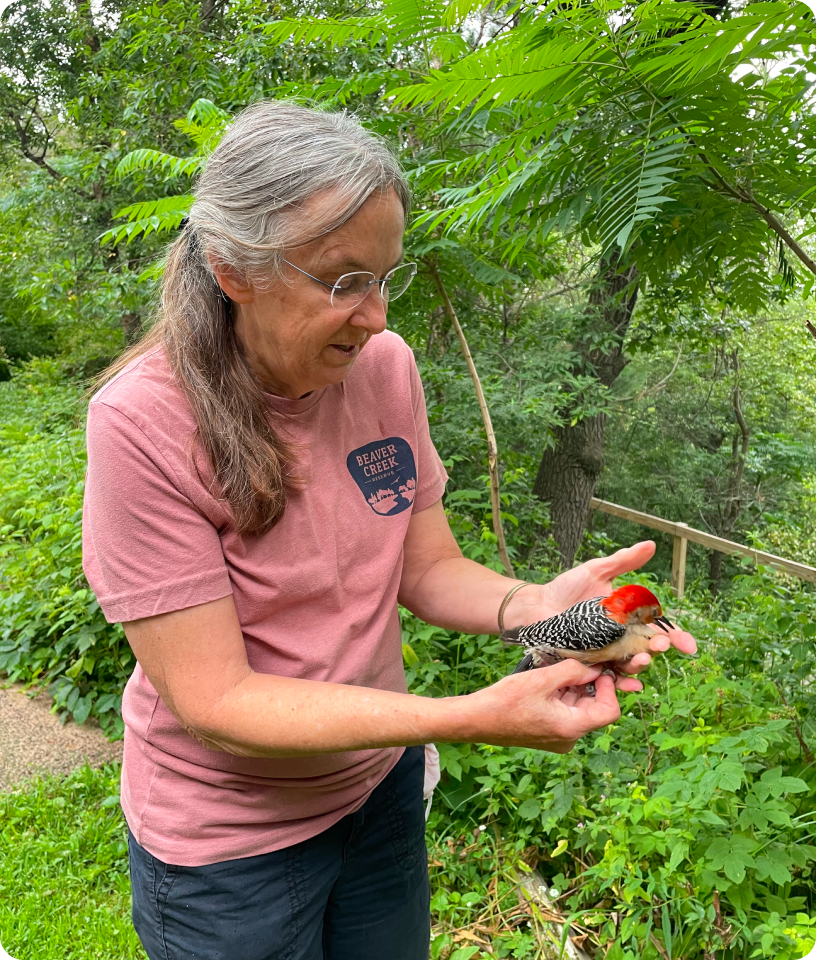
Beaver Creek Reserve had the woods. It had the trails. It was getting the people, too. In spring 2023, new school-district contracts meant the Wisconsin outdoor education organization needed to expand its capacity from 350 children to 700. Staff had been preparing for growth. The registration software was another matter.
In Guildara’s account of the project, the system Beaver Creek had bought proved unsuitable. The reserve moved all 23 camps onto the platform then known as Village. The company reports that the following camp season served more than 600 families, with less staff involvement before arrival. More contracts and employees were part of that expansion. The software’s job was to keep registration from becoming the bottleneck.
- Find the activity. Families browse local classes and camps.
- Run the business. Providers handle enrollment, schedules, and payments.
- Help pay for it. Eligible registrations can receive donor-funded scholarships.
01 / A classroom with no single address
Village began with a question about the opportunities a family can assemble. Founder Noah Plewa grew up learning through community resources, homeschooling, and later a project-based school. His mother, Trish Cummins, helped make those connections. As he reflected on that upbringing, he recognized how much it depended on family circumstances.
“How do I scale Trish?”Noah Plewa, in Education Reimagined, 2021
That question gives the business its shape. A community can contain willing teachers and curious children without offering a workable way to connect them. Village set out to organize families, activity providers, and donors around local learning opportunities. Each brings something the others need: demand, teaching capacity, or money.
The company was founded in 2020. Early financing included a reported $475,000 investment in November 2021 involving Wisconsin fund Winnow and private investors. Local reporting described a hybrid venture: a commercial software operation alongside a nonprofit mechanism for helping families afford programs.

02 / The third person at checkout
The ordinary activity marketplace has two sides. A parent wants a class; an instructor has a place available. Village adds the donor. Through its collaboration with The Village Project, now an independent nonprofit partner of Guildara, financial assistance can enter the same process as enrollment.
A family checks scholarship eligibility on an approved activity. If awarded support, it registers at a reduced price while the provider receives the full registration amount, subject to applicable fees. That matters to a small studio: being more accessible need not mean asking the teacher to absorb the tuition discount.
Donors can direct support toward communities, categories, organizations, or specific activities. The nonprofit supplies monthly reports. For the donor, that creates a connection to a concrete purchase of learning time. For the family, the relevant number is the price it can actually pay.
Music educator Laren Loveless gives the mechanism a practical face. Her Music & Me scholarship instructions direct families to check eligibility while registering through Guildara. Financial information stays private from the music provider. The advertised assistance can cover up to the full tuition, depending on eligibility and funding.
03 / The small business behind the lesson
For providers, Guildara handles scheduling, rosters, payments, waitlists, and reporting. Its customers include sports facilities, camps, dance studios, and arts educators. These businesses sell an experience delivered by people, often locally and in person. A registration system earns its keep by leaving those people with fewer administrative chores.
The company’s smaller customer examples are instructive precisely because the numbers are modest. Its published case study reports Moonrise Aerials moving from seven registrations in the first scholarship month to 15 in the second. The Paint Shack recorded 30 registrations and more than $900 in a highlighted month. These are provider anecdotes, rather than controlled experiments. They suggest where the product can matter: a handful of additional families can be meaningful to a small operator.
There are other ways to run a program. Valley Sports Academy’s testimonial names Upper Hand as its previous system. Providers can also stitch together a website, emails, and a payment service. Guildara’s distinctive proposition is the connection between those business functions and scholarship funding. The comparison a provider should make is practical: can this setup bring families through registration, keep records usable, and help fund places that might otherwise go unfilled? A longer feature list alone cannot answer that.
04 / Put a price on the plumbing
Village’s commercial ambitions were visible early. In 2022, local reporting described a $1.2 million investment led by Brian Seubert, an operator of Valley Sports Academy. The proposed revenue model then took 5% of collected fees.
By October 2026, Guildara offers a different choice: a 1% platform fee on online payments or a subscription replacing that fee. Stripe processing remains separate at 2.9% plus 30 cents per charge. The annual plan advertises $499 for the first year under a promotion ending October 31, against a displayed standard $1,188 annual price.
05 / A new name, the same coordination problem
Village became Guildara in November 2025. The company explained that a broader community and donors seeking more customization had outgrown the old identity. Existing accounts and the mission continued. Its current team page lists Seubert as CEO and describes a culture built around collaboration, diversity, and learning.
The operational work continues. February 2026 brought dedicated provider fundraising buckets within The Village Project. June added waitlist exports; July extended series scheduling to a full year. These changes address ordinary business needs: raising local money, reaching families who missed a place, and planning the next season.
The useful lesson is to put assistance where the decision happens. But the mechanism depends on actual funding. Monthly family and provider limits can block awards; exhausted funds can do the same. Scholarships also require eligible participants and approved activities. A well-designed registration form can coordinate those resources. The community still has to supply them.