BREAKING   Vena Vitals shrinks the ICU blood pressure monitor into a skin sticker Validated against arterial lines in 600+ operating-room patients VeriTrack submitted for FDA 510(k) evaluation Founded 2019 at UC Irvine  ·  Y Combinator S20 Continuous. Noninvasive. Blood pressure. BREAKING   Vena Vitals shrinks the ICU blood pressure monitor into a skin sticker Validated against arterial lines in 600+ operating-room patients VeriTrack submitted for FDA 510(k) evaluation Founded 2019 at UC Irvine  ·  Y Combinator S20 Continuous. Noninvasive. Blood pressure.
Company Dossier  ·  Irvine, California  ·  Medical Devices

Vena Vitals.

A soft sticker, worn on the skin, that reads your blood pressure beat by beat - no cuff, no needle.

Wearable Sensor Digital Health Hard Tech UC Irvine Spinout
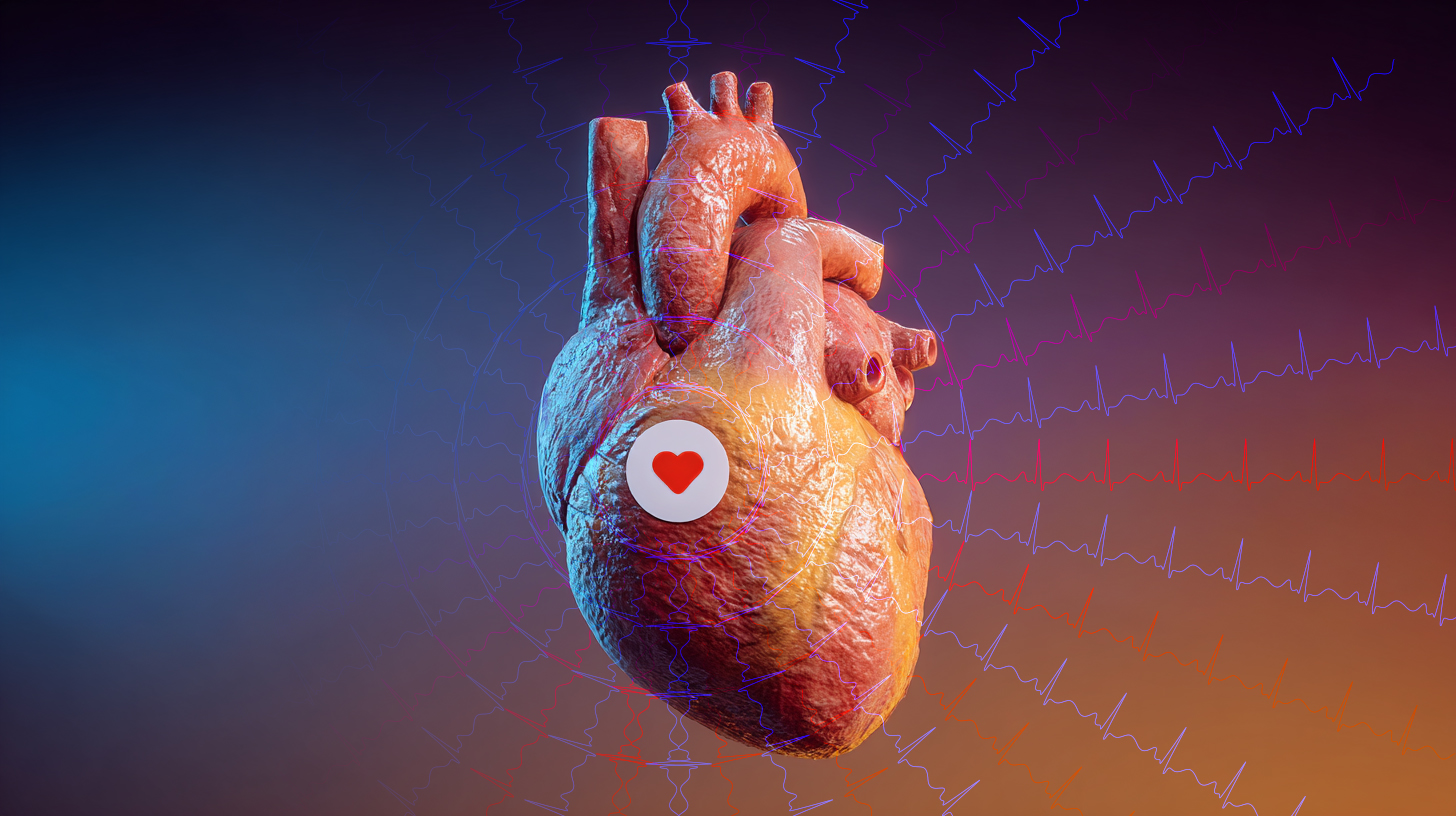
Vena Vitals continuous blood pressure monitoring sensor
The whole ICU, on a bandage. Vena Vitals' flexible sensor sits over an artery and never lets go of the pulse.
The Room Nobody Sees

In an operating room, the truth arrives one heartbeat at a time.

Somewhere in a hospital right now, a patient is asleep on a table and a thin line runs into an artery in their wrist. It is the gold standard for watching blood pressure during surgery - accurate, continuous, and quietly dangerous. It requires a needle threaded into a vessel, a skilled hand, and a tolerance for the small risks that come with puncturing an artery. For everyone else in the building - the patients on the ward, the sleeper with apnea, the person whose pressure only gets checked once a year at the doctor - the truth arrives as a single snapshot from a squeezing cuff, and then vanishes.

Vena Vitals looked at that gap and asked an almost impertinent question: what if you could get the arterial line's honesty without the artery? Their answer is not a machine you wheel into a room. It is a bandage-sized sensor you stick on the skin.

This is a massive unmet need in healthcare. Ray Liu, Co-Founder & CEO
600+
OR patients tested
2019
Founded at UC Irvine
S20
Y Combinator batch
0
Needles required
The Product

VeriTrack: a pulse, translated.

The VeriTrack system is built around a patented capacitive pressure sensor made of - of all things - wrinkled metal. Placed on the skin over a palpable artery (during surgery, usually the dorsalis pedis artery on the foot), it feels the artery push against it with every beat. As pressure rises, the signal intensifies; as it falls, the signal dampens. Proprietary algorithms turn that rhythm into a number, in real time, streamed over Bluetooth to a tablet.

Side by side with an arterial line - the instrument it hopes to replace - the sensor tracked rapid pressure swings almost perfectly. It is soft, it is flexible, and it does not break the skin. The company has submitted it for FDA 510(k) evaluation. It is not yet commercially available.

How It Works

From artery to answer, in four steps.

STEP 01

Stick

The soft sensor adheres over a palpable artery like a bandage - no cuff, no line.

STEP 02

Sense

Each pulse presses the wrinkled-metal capacitor; the signal rises and falls with pressure.

STEP 03

Translate

Proprietary algorithms convert the waveform into beat-to-beat blood pressure.

STEP 04

Stream

Readings flow over Bluetooth to a tablet for clinicians to watch in real time.

The Case For Continuous

A snapshot lies. A stream tells the story.

A once-a-year cuff reading catches a single moment. Blood pressure, though, is a moving thing - it spikes, dips, and reacts, especially right after the breathing pauses of sleep apnea. Vena Vitals says it is the first technology able to quantify those post-apneic spikes as they happen. The illustration below sketches the difference between what a cuff sees and what a continuous sensor sees.

Blood pressure time cuff: one point
VeriTrack - continuous, beat-to-beat Traditional cuff - a single snapshot

Illustrative only - waveform is a schematic, not clinical data.

The People

Two lab mates, twenty years, one startup.

CEO Ray Liu and scientific founder Michelle Khine first met as graduate lab mates at UC Berkeley more than two decades ago, working on biomedical sensing before their paths split - Liu into industry, Khine into academia. The technology that became Vena Vitals grew out of Khine's UC Irvine lab and Josh Kim's PhD work. They reunited to build it.

RL

Ray Liu

Co-Founder & CEO

A veteran of large medtech companies and digital-health startup exits. He brings the commercial and regulatory playbook.

MK

Michelle Khine

Co-Founder & Scientific Founder

UC Irvine biomedical engineering professor whose material-science work is the technical spark behind the sensor.

JK

Josh Kim

Co-Founder

Developed the core technology during his PhD and was lead author on the seminal papers underpinning the device.

What You Can Do With It

Start in the OR. End on the nightstand.

Hospitals & ORs

Continuous perioperative blood pressure without threading a line into an artery - the first market and the proving ground.

Sleep Apnea

Quantify the blood pressure spikes that follow each apneic event - a signal the company claims no one else can capture.

Home & Chronic Care

The longer-term vision: remote patient monitoring and chronic-disease management, moving from bedside to bedroom.

The Backing

Grown from a university lab.

2019

Founded in Irvine

Spun out of UC Irvine biomedical engineering research, with technology from Michelle Khine's lab and Josh Kim's PhD.

2020

Y Combinator, Summer batch

Joined YC alongside support from MedTech Innovator and EvoNexus.

2021

Seed funding & federal grants

A mix of venture capital and NIH/SBIR grants, plus a Proof of Product grant from Beall Applied Innovation.

2026

FDA 510(k) filed

VeriTrack submitted for clearance after validation on 600+ operating-room patients; hospital clearance anticipated this year.

Nine of the company's fourteen employees came out of UC Irvine - five of them with PhDs.
The sensor is often placed on the foot, over the dorsalis pedis artery, during surgery.
The sensing element is made from wrinkled metal - a material-science trick that turns tiny pressure changes into readable signals.
We're the first and only technology that can quantify blood pressure spikes immediately after apneic events. Ray Liu, Co-Founder & CEO
Watch & Listen

Founder talks & demos.

CEO Ray Liu has walked through the technology on the Life Science Intelligence stage. Interviews and demos:

Back In The Room

The line comes out. The sticker stays on.

Return to that operating room. The needle in the wrist did its job for decades, but it always asked something of the patient in return - a puncture, a risk, a specialist's steady hand. Vena Vitals is betting the next version of that room looks different: a soft square on the foot, a steady stream of numbers on a tablet, and a truth that keeps arriving long after the surgery ends and the patient goes home.

The cuff has barely changed in a century. If Vena Vitals is right, the thing that finally changes it will be smaller than the palm of your hand, and you will barely feel it there.

Continuous. Noninvasive. Blood pressure. That's the whole pitch - and most of the work is making it boring enough to trust.