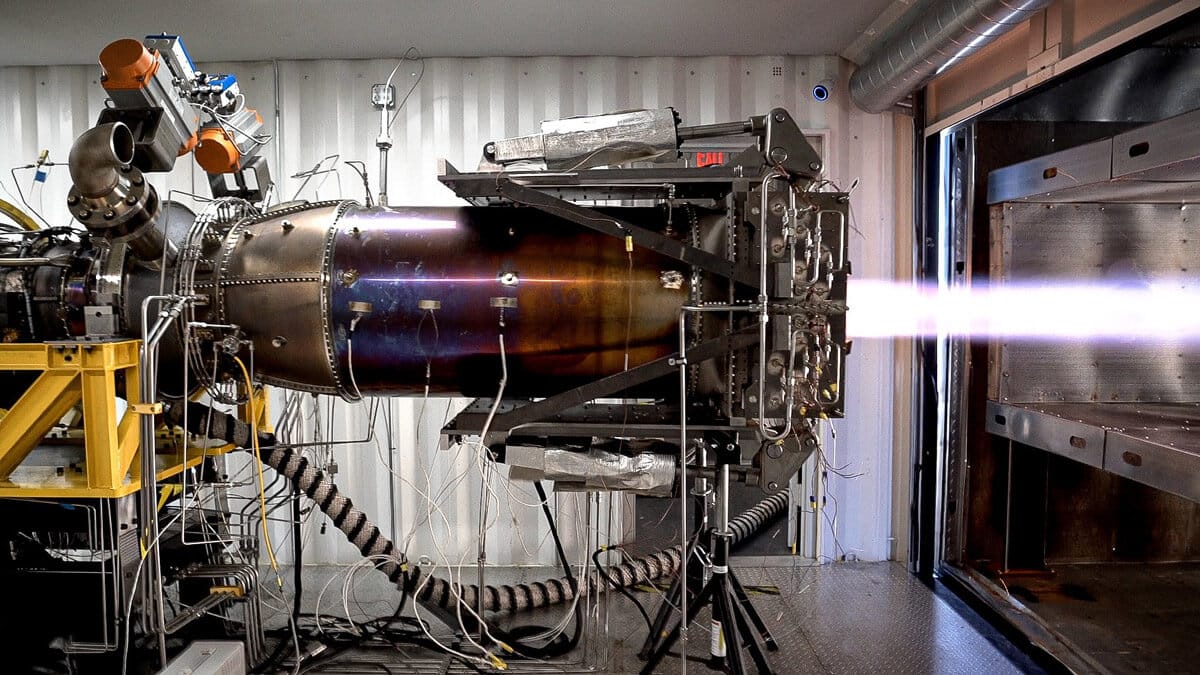
A rocket company and a non-alcoholic brewery make an unlikely pair. One builds spacecraft. The other fills cans. Yet Rocket Lab and Athletic Brewing appear together among Trinity Capital’s equipment-finance highlights. Look past the products and the resemblance becomes obvious: both businesses need physical things before those things can earn their keep. Somebody has to pay for the machinery while the future is still being assembled.
- Trinity lends to growth businesses that want more capital with less equity dilution.
- Five lending teams match financing to businesses, equipment and financial assets.
- Keeping ownership creates another obligation: interest, repayment and sometimes warrants.
This is the territory Trinity occupies. It supplies private credit to companies whose ambitions have outrun their available cash. For a founder, that can mean buying equipment, financing expansion or reaching a milestone before raising more equity. For an investor, the same transaction becomes a claim on payments. The two sides are buying different things from the same contract.
The machine has its own balance sheet
Consider the equipment problem. Paying cash for a production line ties money up in metal. Selling shares to buy it gives investors a lasting claim on the whole company. Trinity offers equipment financing of up to $100 million, with funds drawn as assets are needed. It says these facilities are secured by the financed equipment, allowing room for other borrowing elsewhere in the business.
That distinction matters. A lab instrument, a manufacturing tool and a software launch have different spending patterns. Equipment finance ties the borrowing to something specific. Trinity also lists financing for previously purchased assets, a way to release capital already sitting on the factory floor. Its equipment portfolio ranges across aerospace, energy, robotics and food production. The common ingredient is capital intensity.
Five desks, five versions of risk
Equipment is one of five lending verticals. Tech Lending supplies venture debt, often alongside equity. Healthcare & Life Sciences finances activities including commercialization, working capital and acquisitions. Sponsor Finance serves private-equity-backed growth businesses through senior debt, unitranche loans and other structures. Asset-Based Lending provides facilities against financial assets, including warehouse lines for businesses that originate credit.
The advertised borrower profiles offer a useful reality check. Sponsor Finance looks for businesses with more than $20 million in annual recurring revenue or annualized GAAP revenue, alongside qualities such as proven unit economics. Asset-Based Lending describes an ideal customer with $5 million in annualized revenue and short- to medium-duration assets. This is substantial-company financing. A promising idea alone does not meet those descriptions.
The price of keeping the shares
“Non-dilutive” is an appealing word. It deserves careful reading. Debt preserves ownership by substituting a payment obligation for an immediate equity sale. A complete comparison includes interest, fees, collateral and any warrants that give a lender the right to purchase shares. Borrowing can reduce dilution without eliminating it from every transaction.
Trinity reported a 15.0% effective yield on average debt investments at cost in the second quarter of 2026. That figure includes fees and effects from early repayments; it is a portfolio result, not a quoted interest rate for a new borrower. It does, however, make the economic bargain visible. Investors expect to be paid for lending to these businesses.
“Our internally managed structure remains a key differentiator.”
Kyle Brown, CEO · February 2026
Trinity itself operates as an internally managed business development company, or BDC. Its staff work inside the company rather than through an outside BDC adviser collecting management fees. It earns income from lending and can participate in equity upside. A managed-funds business adds investment vehicles alongside the public company. Alternatives include venture lenders Hercules Capital and Horizon Technology Finance, conventional bank financing and another equity round.
The loan that returned as stock
The untidy version of this business is more revealing. In 2021, Trinity provided $30 million in equipment financing to bitcoin miner Core Scientific. Core entered Chapter 11 in December 2022. The original repayment path had broken. A lender holding equipment-related claims now had to work through a bankruptcy.
Trinity received a $28.3 million claim and elected to take common shares in settlement. After Core emerged from bankruptcy in January 2024, Trinity sold the shares for $29 million. Including interest already received, it reported a 17.7% internal rate of return on the investment. The recovery depended on a reorganization and a market for those shares. That sequence is hardly a promise that every troubled loan will recover.
A bigger lending engine
Founder Steve Brown started Trinity in 2008. The business later combined predecessor funds into its BDC structure, then completed an IPO in 2021. Its expansion now includes buying and partnering. In March 2026, Trinity and Capital Southwest announced a lending joint venture with $50 million committed by each. In May, Trinity announced its acquisition of Equipment Leasing Services, retaining its leadership as a standalone portfolio company.
The deployment numbers show the scale. Trinity’s October update reported approximately $614 million funded during the third quarter, against $880 million of new commitments. Commitments describe agreed financing; fundings describe investments actually made. Confusing the two makes a lender look busier than its cash movements establish.
- Secured loans
- $378m
- Equipment financing
- $159m
- Warrants & equity
- $77m
The work continues in specific businesses. On October 20, Trinity announced a $20 million commitment to ABM Respiratory Care for commercial expansion and further development. For that borrower, the extra runway has a concrete destination: getting respiratory technologies into more markets while continuing to invest in products and research.
Give the extra time a job
The practical lesson for a borrower is to name the milestone before choosing the loan. Will the equipment produce revenue? Will expansion create enough cash to service debt? What happens if the next equity round arrives late? Extra runway helps when it leads somewhere financeable. A business with no credible repayment source can turn a cash shortage into a cash shortage with secured creditors.
Trinity’s own June results show that risk remains: five portfolio companies had investments on non-accrual status. Inside the firm, its 12-month analyst residency includes site visits and credit presentations to the investment committee. Judgment has to be practiced. The rocket and the brewery may share a financing problem, but somebody still has to understand each business well enough to write the loan.