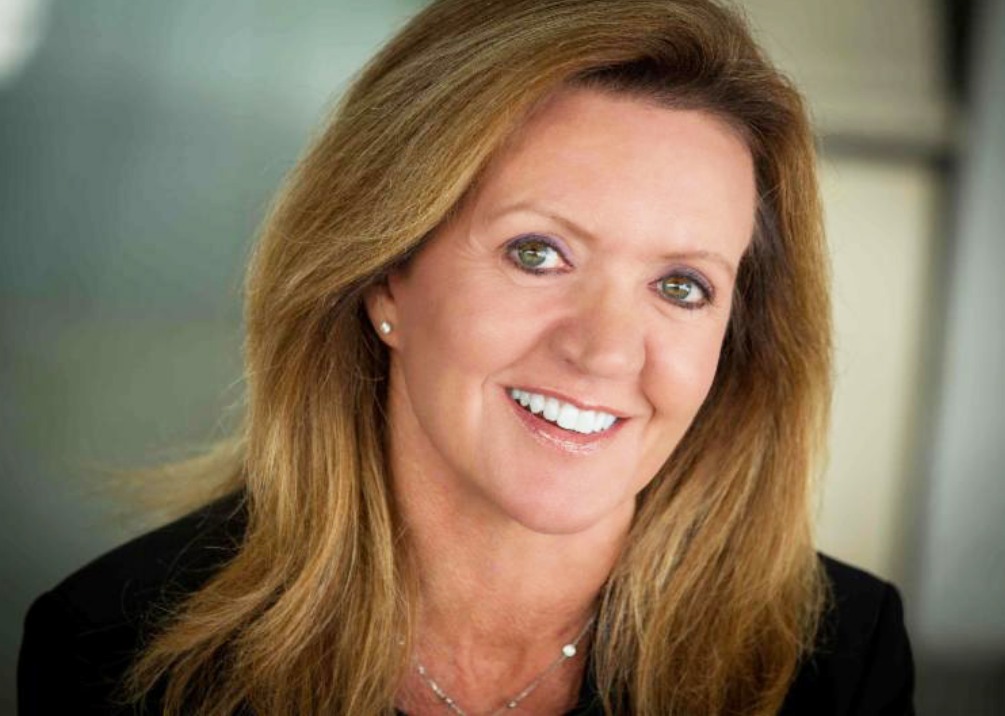
In the beginning there was one room. It was 1993, and Cindy Osbrink had a handful of young actors, a place in the feature-film business and a difficult proposition to sell. She was not only asking casting directors to believe in children. She was asking parents to believe that Hollywood could be approached as a long game.
The child actor is a peculiar kind of client. The product changes height between meetings. School runs on one calendar, pilot season on another, and a parent is simultaneously chauffeur, guardian and anxious witness. A young performer may be precocious without being ready, ready without being right, or right for a part that will disappear by Friday. The obvious strategy is to chase the next audition. Osbrink chose the slower one: build the person who will walk into many rooms.
A career ladder disguised as an agency
Today The Osbrink Agency represents actors, models, voice performers and creators from babies through adults. It works across Los Angeles, New York and Atlanta. Its departments cover theatrical work, commercials, print, voiceover and digital media. This looks like a list of services. It is better understood as a sequence of second chances.
A child who is not ready to carry a television series may learn the mechanics of a set through a commercial. A model may discover an appetite for on-camera work. An actor between screen roles may build a parallel voiceover practice. A young celebrity with an audience can add a brand partnership. The agency does not have to predict one perfect road. It can keep several roads open.
That is the practical difference between Osbrink and a giant generalist. The largest agencies can offer global packaging power and enormous networks. Osbrink's claim is narrower: concentrated experience with the awkward, highly supervised journey from young promise to working adult. The firm names Brie Larson, Dakota and Elle Fanning, Tyler James Williams, Raven-Symoné and Jake Lloyd among the performers Cindy represented. The point is not that every client becomes famous. It is that the system was shaped around the years before anyone is.
“Each one of us has different gifts. And our job is to find those gifts.”Cindy Osbrink, Hometown to Hollywood interview
The booth in the middle of the machine
The voiceover department makes the model unusually concrete. Osbrink says its performers have worked across more than 200 animated series, along with films, games and commercial brands. It also maintains an in-house booth where talent can receive direction. That detail matters. An agent normally stands between the audition and the buyer; a booth lets the agency improve the thing being sent.
Its personnel underline the point. Maureen Rose joined in 2004 and built the voiceover division while later taking on adult commercials. Brian Mathias came from the other side of the table: more than two decades in casting, work on 40 animated films and more than 30 animated series, and a 2018 Daytime Emmy for casting. Keegan Monti-Kewley combines agenting with the technical problem of home-studio design. The expertise is not abstract. It lives in microphones, dialogue direction and the uncomfortable second take.
The first thing that broke was the internet
The most illuminating Osbrink story is not about a premiere. It is about broadband. The agency told Burbank Water and Power that its former internet service went down daily, sometimes for hours. In an office whose business depends on moving audition material, an outage did not merely slow email. It suspended the market.
The agency asked studios and production companies which provider they trusted, then moved to ONEBurbank fiber. The choice looked sensible before 2020. After casting rooms closed, it looked existential. In-person appointments became uploaded self-tapes; files went out, notes came back, new takes went up. Cindy Osbrink said the connection made the transition possible.
Not taste. Not relationships. Connectivity. Daily outages exposed an invisible dependency before self-tapes made it impossible to ignore.
This is the useful bit for any creative company. The glamorous output rests on an unglamorous transfer layer. Find the workflow that cannot tolerate interruption - uploads, approvals, rendering, booking - and give it more reliability than seems reasonable. Osbrink changed its mind after asking nearby professionals for evidence, not after reading a provider's promise. The cost of the service was not published. The cost of the old failure was: hours in which the agency said it was effectively out of business.
Hollywood meets the follow button
The next disruption was cultural rather than technical. A young actor could now arrive with two careers already tangled together: performer and creator. Traditional representation knew how to negotiate a television role. Influencer firms knew how to turn audience attention into brand campaigns. In February 2024, Osbrink and The Digital Dept. joined those machines.
The partnership launched a young-adult division aimed at Gen Z and Gen Alpha talent. The Digital Dept. brought creator management, campaign strategy and relationships across TikTok, YouTube and Instagram. Osbrink brought the young performers and a development pipeline built over three decades. Dolphin Entertainment told investors the partnership saved years of development time; it reported more than three dozen young social-media talents on the roster soon after launch.
The restraint is worth noticing. Osbrink did not announce that every theatrical agent had suddenly become a platform strategist. It partnered with specialists. That is a replicable move: when an adjacent market shares your customers but requires different operating muscles, borrow the muscles before building them. It works only when the handoff feels continuous to the client. A loose referral network would not create the same advantage, and a firm without an established client pipeline would bring much less to the bargain.
The product is not a booking. It is a sequence in which each booking makes the next kind of booking more plausible.
What the hopeful can actually do
Osbrink maintains a public submission form, an unusually plain front door for a business wrapped in mythology. Applicants choose Los Angeles, New York or Atlanta; select theatrical, commercial, print or voiceover; then send photos, a résumé, audio files or a reel link. The agency warns that replies can take up to three weeks and asks people not to call.
That list suggests a better application strategy than “show star quality.” Make the evaluator's job small. Choose the right department. Supply material in the requested format. Show one memorable strength. For young performers, the family system matters too. Cindy has described the working relationship as a marriage between agent, manager and parent, while insisting that the child still has to do the work. A parent determined to manage every creative decision will not fit a hands-on agency. Nor will a performer who wants instant access without the routine of training, retakes and rejection.
Build adjacent services around the client's next likely need, not around an impressive org chart.
Put domain experts close enough to improve the work before it reaches the buyer.
Ask respected peers which infrastructure survives real pressure, then pay for reliability.
The model depends on patient clients, aligned families and enough opportunity to support several career lanes.
The agency is still a private business. It does not publish revenue, valuation, funding history or its specific commission terms. Its customers are talent seeking work and the casting teams, studios, advertisers and brands seeking talent. Its competition ranges from focused firms such as CESD, DDO, Coast to Coast and Clear Talent Group to much larger agencies that can tempt a breakout client with broader reach.
That last tension never goes away. Develop someone successfully and you may teach the market to bid for them. Osbrink's answer has been to make staying useful: more disciplines, more cities, more specialized counsel, now more digital opportunity. The bet is not that a child actor will remain a child. It is that the relationship can grow up first.