A blood pressure monitor is an unusually efficient messenger. It produces a number, displays it, and, if connected, sends it somewhere else. Its assignment is wonderfully narrow. The assignment of the person receiving that number is considerably messier. Does the patient need a call? Has a prescription run out? Should the physician get involved? The interesting part of remote monitoring begins where the machine’s job ends.
- Accuhealth’s monitoring and Signallamp’s chronic care services came together in 2024.
- Tellihealth sells providers a combination of devices, software, and clinical support.
- The practical test: can a reading become useful action inside an already busy practice?
Tellihealth has organized a company around that handoff. Its customers are hospitals, health systems, specialist groups, and independent practices. Its work happens between their appointments: collecting measurements, supporting patients, coordinating care, and returning information to the people responsible for treatment. Remote patient monitoring supplies the observations. Chronic care management supplies the continuing relationship. Putting both under one roof is the company’s central bet.
Two companies. One missing interval.
The story predates the name. Signallamp Health, founded in 2015, developed a nursing-based chronic care business. By June 2019, it had announced its 25,000th patient enrollment and 130th practice. Accuhealth brought a different combination: monitoring hardware, proprietary software, and clinical monitoring. Each addressed part of the interval between seeing the doctor and needing the doctor again.
In April 2024, Sunstone Partners announced a growth investment in Accuhealth. In July, Accuhealth and Signallamp announced their merger, supported by additional Sunstone investment. At that point, the combined businesses reported more than 300 client organizations across 48 states. Those numbers describe the merger’s starting footprint, rather than a current customer census.
December brought the Tellihealth name and the appointment of Asif Ahmad as chief executive. A May 2025 brand launch made the product map clearer: accuRPM continued the monitoring business, signalCCM carried forward chronic care management, and Tellihealth Devices supplied connected hardware. The rationale was expansion of capabilities. The public explanation described building on existing services and relationships.

“You don’t leave your disease at the doctor’s office - you come home with it.”Asif Ahmad · company-published interview, June 2025
The best setup step is one you can remove
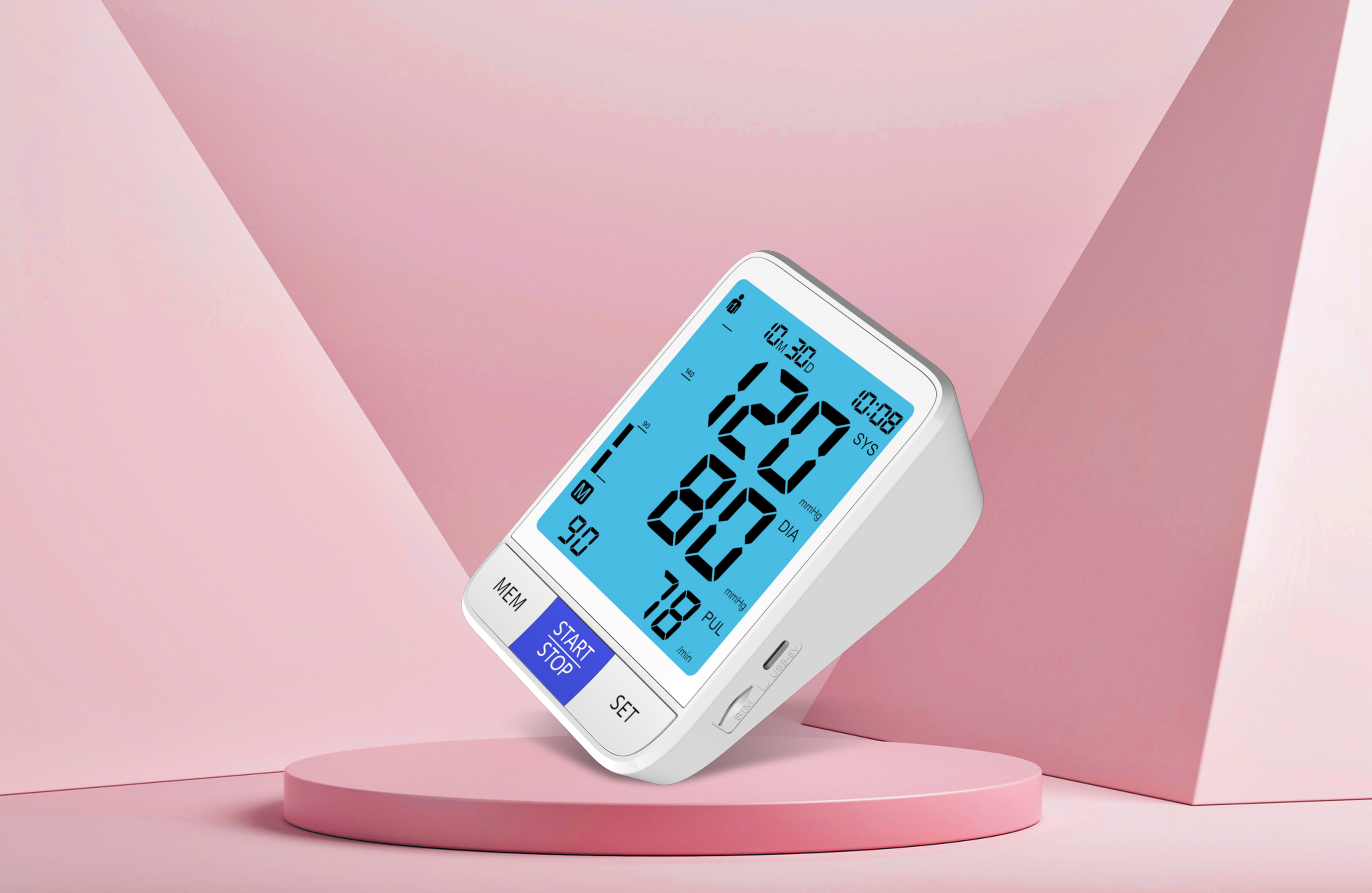
Tellihealth’s device proposition is pleasantly concrete. Its 4G-connected equipment transmits readings without requiring Wi-Fi, Bluetooth pairing, or an app. The range includes blood pressure monitors, pulse oximeters, and thermometers. A patient still has to use the equipment, and cellular transmission still needs connectivity. But remembering a router password can disappear from the care routine.
That design matters because the patient is doing work, too. A monitoring program asks someone to repeat an action, often for months, while managing the condition that made monitoring necessary. Every extra setup task competes with that routine. Removing one is an operational choice with a human consequence: fewer things to explain before the first useful measurement arrives.
The clinical side then has its own friction to overcome. Tellihealth describes EHR integration, automated documentation, and dedicated care teams. Signallamp’s earlier model placed employed, home-based nurses within the provider’s existing workflow. The attraction for a practice is straightforward: more capacity to support patients without assembling every piece of a remote care operation itself.
- 01MeasurePatient uses a connected device
- 02ReviewClinical team assesses the information
- 03RespondCoordinate follow-up with the provider
Someone has to pay for the follow-through
The business sits across hardware, software, and services. Evelyn is the software platform; clinical support makes the offering a managed care operation. Signallamp’s June 2024 Stratum Med announcement described a program sustained through existing reimbursement codes and a share of generated revenue. That explains the economic mechanism behind the promise to extend a practice’s reach.
A buyer therefore needs to examine the whole program: enrollment, staffing, documentation, escalation, and the contract. Patients’ costs depend on coverage and the services provided; Medicare’s chronic care guidance explicitly includes informing patients about applicable cost sharing. Reimbursement supports work with requirements attached. A connected device by itself cannot perform the clinical and administrative tasks that make the program function.
There is a useful real-world precursor. Tampa General Hospital said its Signallamp relationship began in 2021 and expanded into monitoring in 2022. By August 2023, the hospital described more than 1,000 patients linked to monitoring systems. Its setup included Stel Life’s Vitals Hub. The distinction matters: a predecessor partnership demonstrates operating experience without implying every deployment uses today’s Tellihealth hardware.
Make the number mean something
In September 2025, Tellihealth announced Evelyn features that reveal the less glamorous work underneath remote care: a dashboard showing information about incoming callers, assessment templates for nurses, and a patient app with reminders. There was also a wellness game intended to encourage participation. Even a clinical platform must persuade people to come back tomorrow.
Average systolic reduction after three months among consistently adherent patients who started 2024 with stage 2 hypertension, according to Tellihealth’s May 2025 announcement. This is a reported cohort result, not a guarantee or a controlled comparison.
Tellihealth operates in a market where competitors, including Cadence, also combine monitoring with clinical teams. Its distinction is the particular assembly of a monitoring business, a chronic care operation, and connected devices. The case for buying it rests on how well those pieces work together in a customer’s setting.
By March 2026, the company was adding customer success leadership, naming Kim Johnson to run that function. In May, it announced a MedTech Breakthrough Virtual Care Innovation Award. Recognition is useful visibility; adoption and reliable service delivery remain the work a healthcare customer actually buys.
The lesson a reader can copy is to remove a task, assign responsibility, and make the information usable where decisions happen. The limits follow the same logic. Unreliable connectivity interrupts transmission; weak participation thins the picture; an unclear escalation workflow leaves readings waiting. Tellihealth’s opportunity is to make the next useful action easier, repeatedly, long after the appointment ends.
Keep exploring
Tellihealth · Connected devices · LinkedIn · X · Instagram · Facebook
Inside the Evelyn update · 2026 company news · Watch the company introduction