toxicity-prediction
(2)
Syntensor
Syntensor builds frontier AI foundation models for cellular biology and human genetics that simulate how drugs act inside the body before a single patient is dosed. Using dynamical systems simulation and neural differential equations over multi-omics data, its platform predicts drug efficacy, systemic toxicity, and the causes of clinical trial failure, then explains the mechanism behind each prediction. Founded out of the University of Cambridge and now headquartered in San Francisco, the company aims to build an accurate, interpretable mechanistic model of human physiology that de-risks pharmaceutical R&D.
Vivodyne
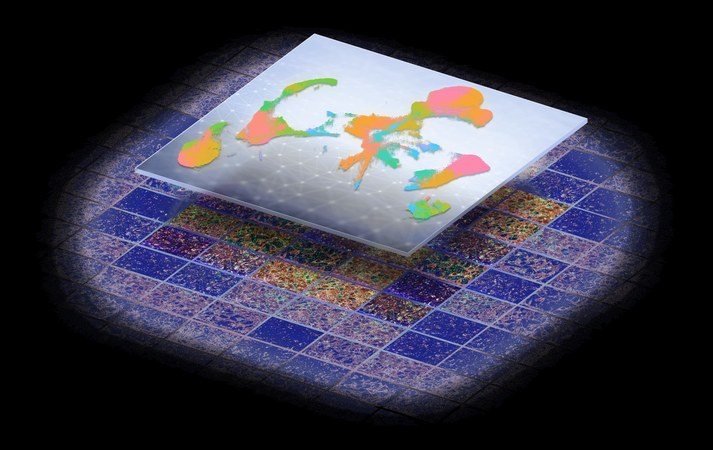
Vivodyne is a biotech company that grows more than 20 types of lifelike human organ tissues in the lab, then uses robotic automation to dose, cultivate, and analyze more than 10,000 of them at a time. The vast human datasets it generates feed multimodal AI models that predict how new drugs will behave in people - before they ever reach a clinical trial. The pitch is blunt: roughly 95% of therapies that work in animal models fail in human trials, and Vivodyne wants to fix that gap with real human data instead of mice.