thomson-reuters
(11)
Mithun Suvarna and the Work Before the Promise
Before a company can change its environmental footprint, somebody has to make sense of the numbers. Mithun Suvarna has built his working life around that deceptively awkward assignment.

SafeSend and the $600 million chase for a signature
The tax return was finished. The work wasn’t. SafeSend built a business around that awkward gap, then followed the paperwork all the way back to the beginning.
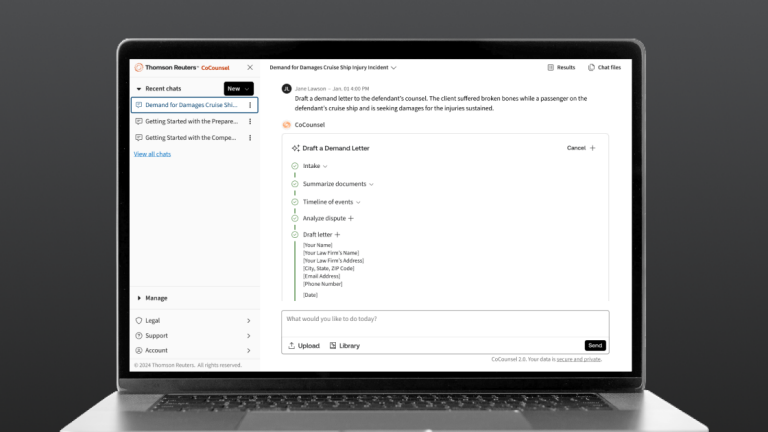
CoCounsel Puts Westlaw in the Witness Box
CoCounsel can read the pile, draft the first pass, and show its citations. The clever part is knowing when to trust the shortcut - and when to bill an hour checking it.
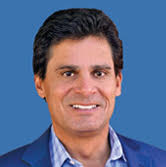
Greg Radner Built a Career Translating Risk Into Decisions
Before risk intelligence became a boardroom staple, Greg Radner was already building the pipes that move consequential information. His career offers a practical lesson in turning complexity into something people can use.
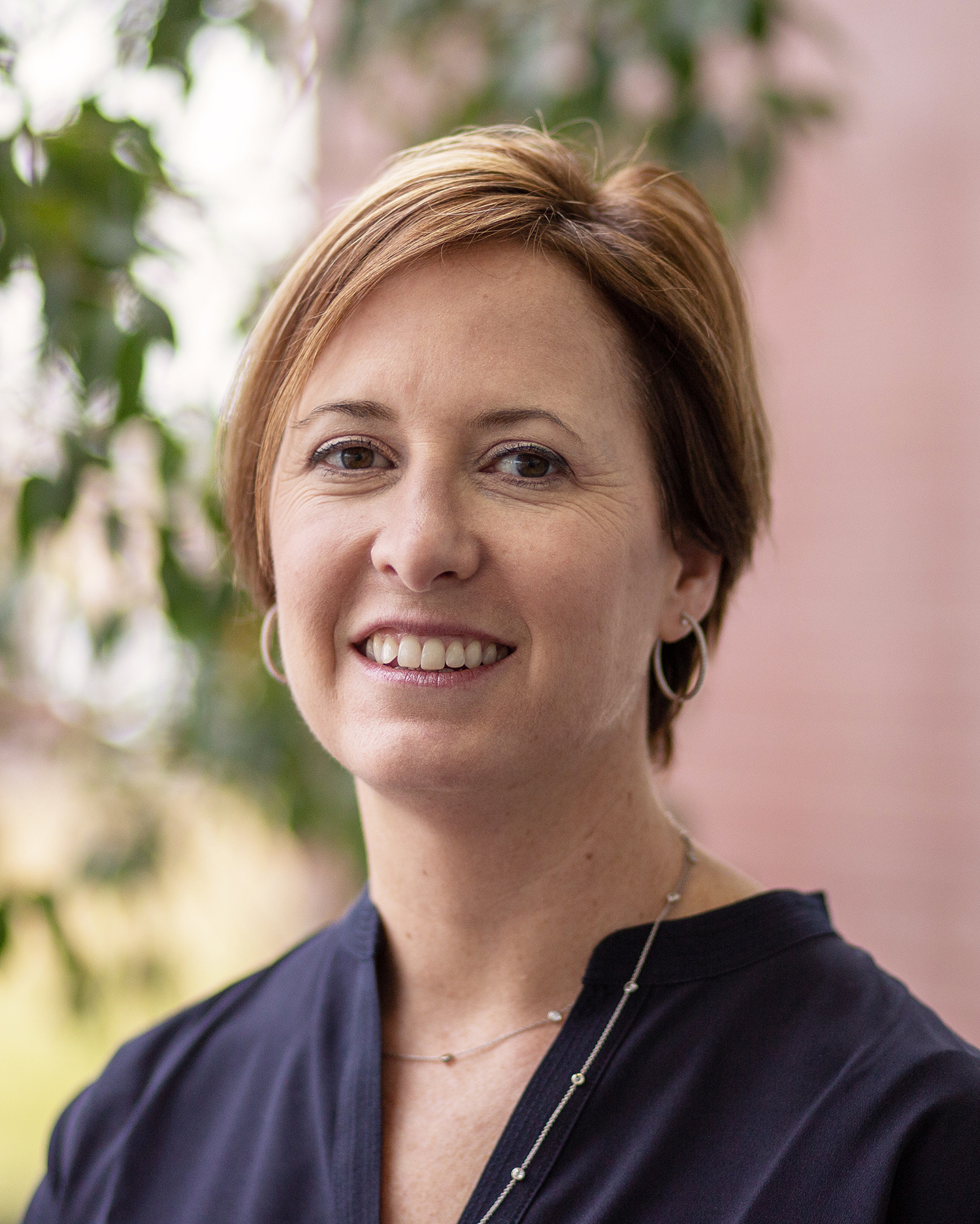
Amy Messano Makes Complicated Technology Sound Human
From a 3,400-mile autonomous drive to a two-word rallying cry, the Thomson Reuters executive has built a career translating complex technology into stories people can carry.

Hideo Esaka Sells the Data That Runs Every Car You Never Think About
He trained in physics and psychology, then spent 25 years learning to explain complicated software to the people who buy it. At Solera, the product is the data quietly steering the auto and insurance industries.

The Company That Sells Certainty to People Who Cannot Afford to Be Wrong
Westlaw, Reuters, Checkpoint, CoCounsel: one company quietly sits behind the research a lawyer cites in court and the tax return your accountant files. Here is how a 175-year-old news wire became an AI software business.

Laura Wilbanks
Laura Wilbanks has spent a career translating corporate ambition into work a marketing team can actually do. Her method joins customer focus, measurable goals and an insistence that people bring their own voice to the room.

How My Company Built an AI App So Good We Sold It for $650 Million
In this Y Combinator Startup School talk, Jake Heller, co-founder and CEO of Casetext, explains how his team stopped everything at $20M in revenue to build CoCounsel, the first AI assistant for lawyers, on early access to GPT-4 — a bet that led to a $650 million acquisition by Thomson Reuters. He lays out a practical playbook across three areas: how to pick an idea (target jobs people already pay for, in categories of assist, replace, or do the previously unthinkable), how to actually build reliable AI (map exactly what a professional does, turn each step into prompts or plain code, and grind on evaluations until you pass 97-99% of tests), and how to market and sell it (build a genuinely great product first, price to value, build trust with head-to-head comparisons, and watch out for pilots that never convert to real revenue).

Chris Parsonson
Chris Parsonson is the co-founder and CEO of Solve Intelligence, an AI platform for patent professionals that he started in 2023 after finishing a machine learning PhD at UCL. He built the company alongside his brother Angus and fellow UCL researcher Sanj Ahilan, ran it profitably to $10M+ in revenue with a single salesperson, and raised over $55M from Thomson Reuters, Microsoft, Y Combinator and 20VC. His work turns deep optimisation research into software that drafts and analyses patents for 400+ IP teams across six continents.

Kristin Werk
Kristin Werk is the CEO of BookNook, a San Francisco-based edtech company delivering synchronous, research-backed K-8 tutoring in reading and math to students across the United States. A self-described introvert with 20+ years of operational leadership—spanning 17 years at Thomson Reuters, followed by executive roles at Questar Assessment and NWEA—Werk joined BookNook in 2023 as COO, expanded the platform to include math tutoring, and stepped up as CEO in December 2024. She holds a BS in Journalism from St. Cloud State University, an MBA from Capella University, and a stack of certifications including PMP, Six Sigma Green Belt, and Prosci Change Practitioner.