synthetic-aperture-radar
(4)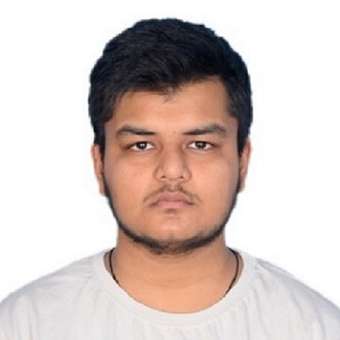
Dhenenjay Yadav Is Teaching Radar to See the Earth in Plain Sight
A childhood fascination with space became a practical obsession: make satellite data legible when clouds, smoke and darkness get in the way. Now the AxionOrbital co-founder is turning radar noise into a clearer view of a changing planet.
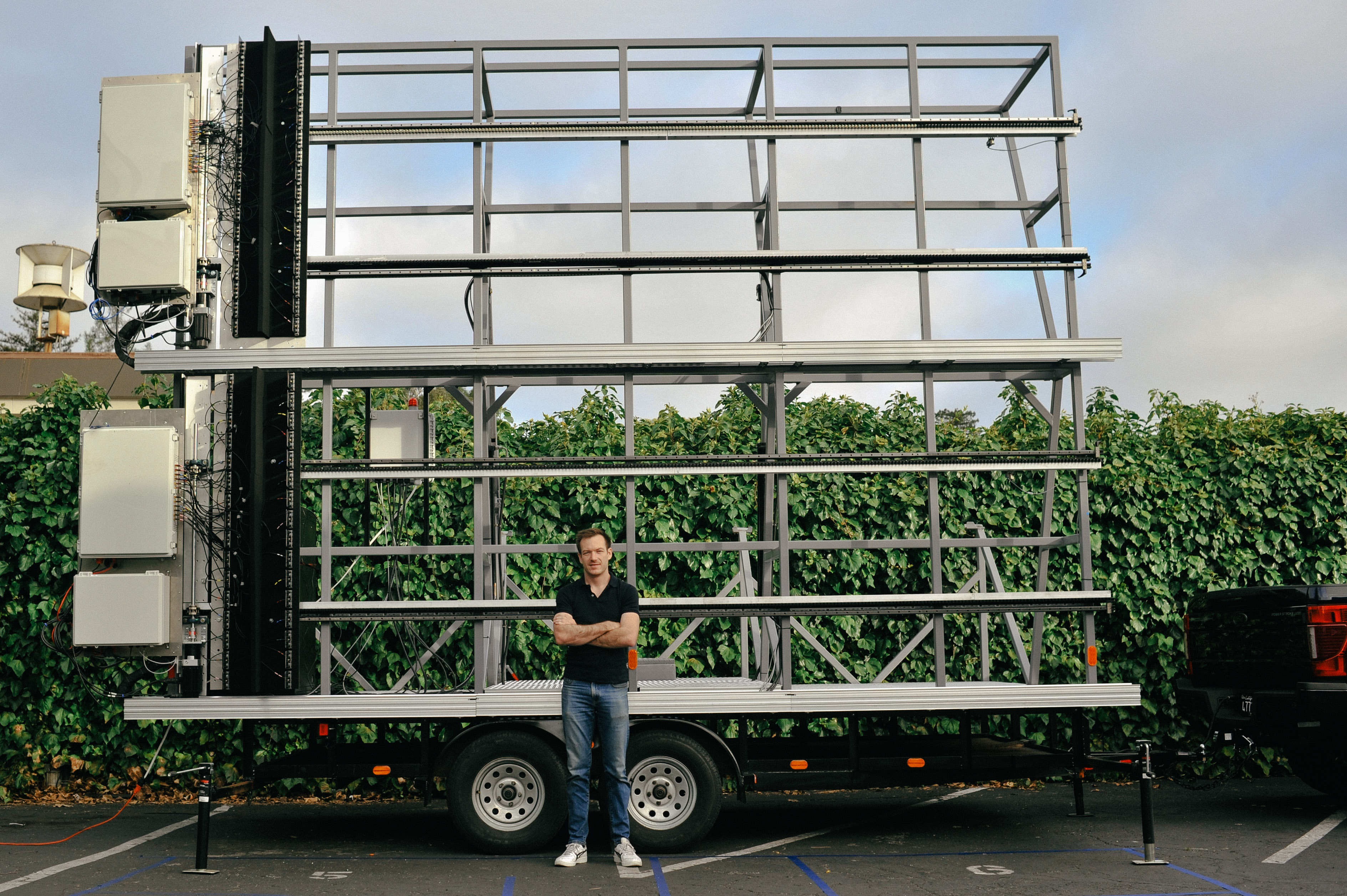
Andrew Peterson Is Turning Radar Satellites Into a Team Sport
The aerospace engineer behind Array Labs wants clusters of modest satellites to see more than one exquisite machine ever could. His bet is equal parts radar physics, manufacturing discipline and a founder’s reluctant conversion to sales.
AxionOrbital Space
AxionOrbital Space is a San Francisco startup building foundation models that turn radar satellite data into analysis-ready optical imagery in real time. Its flagship model, ORION, translates Synthetic Aperture Radar (SAR) backscatter into photorealistic images so customers can see through clouds, smoke, and darkness - the roughly 70% of the time when conventional optical satellites go blind. A Y Combinator Winter 2026 company, it targets defense, commodities trading, and disaster response.
Array Labs
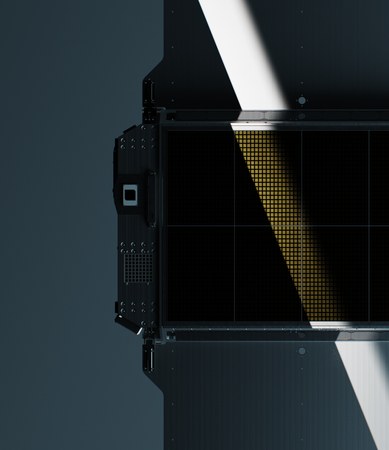
Array Labs designs, builds, and operates radar satellites that fly in coordinated clusters to image the same place on Earth from many angles at once. By distributing the radar across many small, mass-manufacturable satellites instead of one large bespoke spacecraft, the company aims to produce continuously refreshed, high-resolution 3D maps of the planet - a form of space-based radar it likens to what SpaceX did for launch. Founded in 2021 and based in Redwood City, California, Array Labs raised a $20M Series A in January 2026 to scale radar manufacturing and prepare to launch the world's first formation-flying radar satellite cluster.