sustainable-housing
(7)
The Architect Who Spent a Decade Going Around Corners
Arlan Collins thought a better building system would sell itself. The next decade taught him that invention is the easy part - the hard part is giving a cautious industry enough proof to move.

Shibusa Systems
Shibusa Systems is a Monterey, California construction-technology company reengineering how single-family homes and ADUs get built. Instead of shipping boxes from a factory, Shibusa pre-engineers every home in a digital Configurator and turns the messy jobsite into a predictable, kit-of-parts assembly it calls Precision Component On-site Assembly. The company claims it cuts build time by roughly 50%, costs by about 30%, and construction waste to under 5%, while delivering homes to Fortified Home resilience standards with low-carbon materials and no natural gas. Founded in New Orleans in 2019 and now based in Monterey, it is backed by seed funding and led by Wall Street veteran Katy Reynolds.
Verustruct
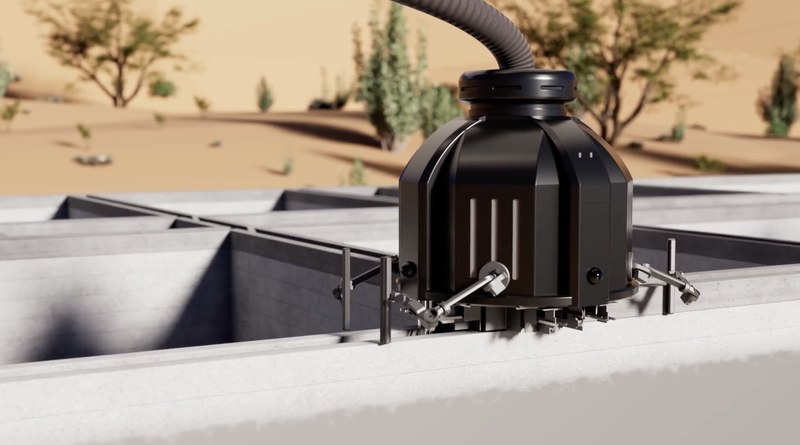
Verustruct is a New Haven-based construction-technology company building a gantry-less 3D printing system to make affordable, sustainable housing at scale. Founded by former SpaceX engineer Nick Callegari, its patent-pending translational slipform printer extrudes load-bearing walls with embedded mechanical, electrical, and plumbing systems, then scales itself up layer by layer, sidestepping the bulky gantry frames that cap the size of most additive-construction projects. Organized as a public benefit corporation, Verustruct aims to cut home construction cost by roughly half and emissions by around 40 percent.

Katy Reynolds
Katy Reynolds is the Co-Founder and CEO of Shibusa Systems, a Monterey, California startup turning home construction into precision on-site assembly. A former Merrill Lynch investment banker turned climate-forward homebuilder, she is rebuilding the way American houses get made - faster, cheaper, all-electric, and out of low-carbon materials.

Nicholas Callegari
Nicholas Callegari is the founder, chief engineer, and CEO of Verustruct, a New Haven climate-tech startup building gantry-less 3D printing robots that print entire load-bearing walls - plumbing, wiring, and insulation included. A former SpaceX structures engineer who helped design the Polaris Dawn spacewalk hardware on the Dragon spacecraft, he traded orbit for the housing crisis, betting that the same first-principles engineering used for spacecraft can cut home construction costs in half. He is a 2026 Forbes 30 Under 30 honoree in Manufacturing & Industry and a Yale School of Management MBA.

Neil Rubler
Neil Rubler is the founder and CEO of Vessel Technologies, a New York company that mass-produces small, prefabricated, solar-ready apartment buildings and sells them through the housing industry's first franchise model. After two decades running large multifamily real estate firms - Vantage Properties and then Candlebrook Properties, which oversaw more than $3 billion in assets across seven states - he left conventional development behind in 2017 to attack the so-called Missing Middle: people who earn too much for subsidized housing and too little for market rate. A Wharton MBA and magna cum laude Cornell graduate, Rubler treats housing like a manufactured product rather than a construction project, aiming to build higher-quality homes faster, cheaper, and more sustainably.

Joe Garcia
Joe Gebbia co-founded Airbnb in 2008 out of a San Francisco living room - air mattresses, breakfast included - and turned a half-crazy idea into an $85B company. His current venture, Samara, builds factory-assembled, solar-ready backyard homes (ADUs) that go from permit to move-in in under seven months. In early 2025 he became America's first Chief Design Officer, tasked with redesigning the federal government's 27,000 websites. A Rhode Island School of Design graduate with dual majors in graphic and industrial design, Gebbia approaches every problem - housing affordability, government UX, refugee shelter - through the lens of democratic, empathetic design.