sustainability-software
(6)
Murat Sönmez Is Building the Memory Sustainability Forgot
After decades making data move faster, Murat Sönmez is asking a harder question: can a company remember where every sustainability number came from? Pulsora is his answer - part software platform, part audit trail, and increasingly an operating system for decisions.
Sphera
Sphera sells the software behind decisions most people never see: whether a factory job is safe, a chemical is compliant, a supplier is fragile, or a product's carbon claim can survive an audit. Its bet is that those answers become more useful when they live in one system.

Alexis Normand
Alexis Normand spent years turning personal data into useful signals. At Greenly, he is applying the same instinct to corporate carbon - making an invisible liability legible enough to manage.

Greenly
Greenly is a French climate-tech company building carbon-accounting software that helps businesses of all sizes measure, report and reduce their greenhouse-gas emissions. Founded in Paris in 2019, its all-in-one sustainability suite automatically pulls data from financial transactions, utility bills, cloud usage and supply chains to calculate emissions across Scopes 1, 2 and 3, then pairs the data with human climate experts. Greenly serves roughly 3,500 clients across 25 countries and has raised about $78.6 million, including a $52 million Series B led by Fidelity International Strategic Ventures in 2024.

Locus Technologies
Locus Technologies is a Silicon Valley software company that pioneered cloud-based environmental, health & safety (EHS), ESG, and water management software. Founded in 1997 by Dr. Neno Duplan, Locus deployed what it describes as the first commercial Software-as-a-Service product for environmental information management in 1999. Today its multi-tenant platform runs a suite of 30+ configurable apps that help regulated enterprises and water utilities manage air, water, waste, energy, emissions, and compliance data - reportedly more than half a billion environmental records - from a single system of record.
rePurpose Global
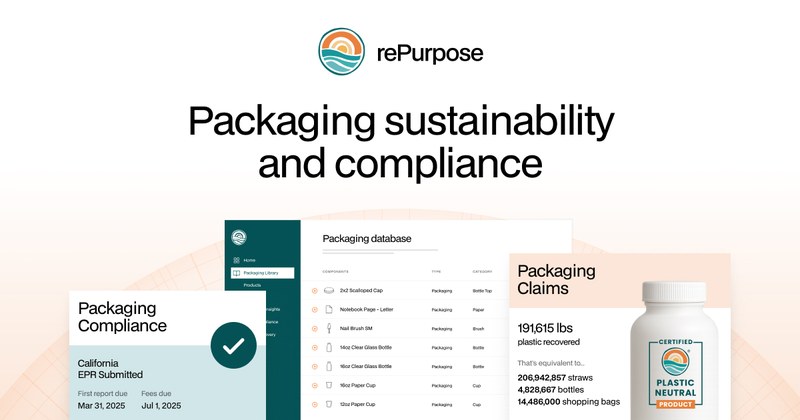
rePurpose Global is a packaging sustainability and compliance platform that helps consumer brands measure their plastic footprint, automate Extended Producer Responsibility (EPR) reporting across dozens of regulations, and fund verified plastic recovery projects to make credible 'Plastic Neutral' claims. Born from a Wharton student project and a visit to one of Asia's largest landfills, the company channels brand dollars into waste collection infrastructure in the Global South while dignifying the work of informal waste pickers.