supply-chain-planning
(7)
Daybreak Wants to Know Who Was Right Last Tuesday
The supply chain has plenty of forecasts. Daybreak wants a record of who changed them, why, and whether the change actually helped.
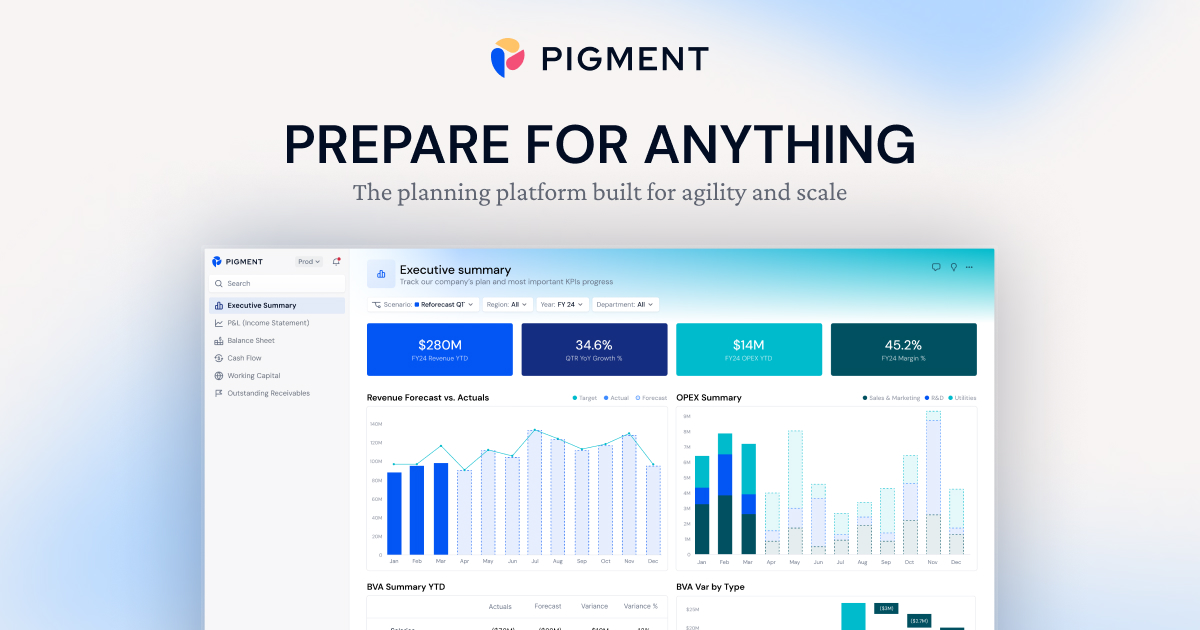
Pigment Turns the Annual Plan Into a Living Argument
Pigment gives serious planning teams a shared model, live scenarios, and AI agents that can do more than decorate a dashboard. The trade is equally serious: this is flexible enterprise machinery, not a Friday-afternoon spreadsheet replacement.
Blue Ridge Wants to Fire the Spreadsheet - Not the Planner
The Atlanta supply-chain company spent nearly two decades turning forecasts into buying decisions. Now its biggest bet is that software should handle the routine 80 to 95 percent - and show its work when humans step in.
ToolsGroup Spent 33 Years Teaching Supply Chains to Expect the Unexpected. Now It Wants Them to Decide for Themselves
The Boston software veteran built its reputation by admitting forecasts are wrong. Its new Decion platform makes a bigger bet: probabilistic AI can help 400-plus customers act on uncertainty without handing the warehouse keys to a chatbot.

The $3.7 Billion Bet on Giving Big Business a Better Memory
o9 Solutions wants to replace the monthly spreadsheet séance with a living model of the enterprise. Its wager: the company that remembers why a plan failed can make the next decision faster - and waste less along the way.

Bristlecone
Bristlecone is the industry's largest pure-play supply chain services provider and a Mahindra Group company. Founded in 1998 in San Jose, California, it helps Global 2000 organizations plan, source, and fulfill through AI-first supply chain transformation - blending consulting, system integration, and its own cloud platform, Bristlecone NEO. Roughly 2,500-2,700 consultants across a dozen global hubs have delivered over 1,000 engagements for more than 300 customers in life sciences, retail, consumer goods, manufacturing, and high-tech.
Anaplan
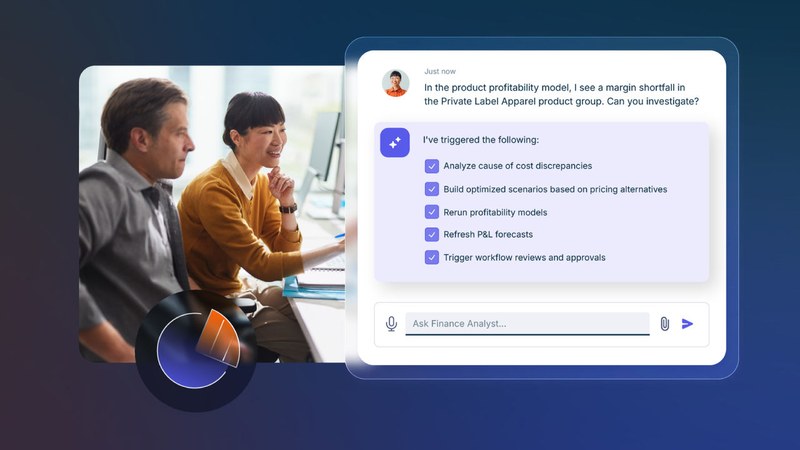
Anaplan is a cloud platform for connected enterprise planning. It lets finance, supply chain, sales, and HR teams model the same business in real time, on a single multidimensional engine called Hyperblock, instead of fighting over disconnected spreadsheets. Founded in 2006 in a barn in Yorkshire, England, the company now serves more than 2,400 customers worldwide - including roughly half the Fortune 50 - and is privately held by Thoma Bravo after a $10.7 billion take-private in 2022.